

Chicken Care and Health
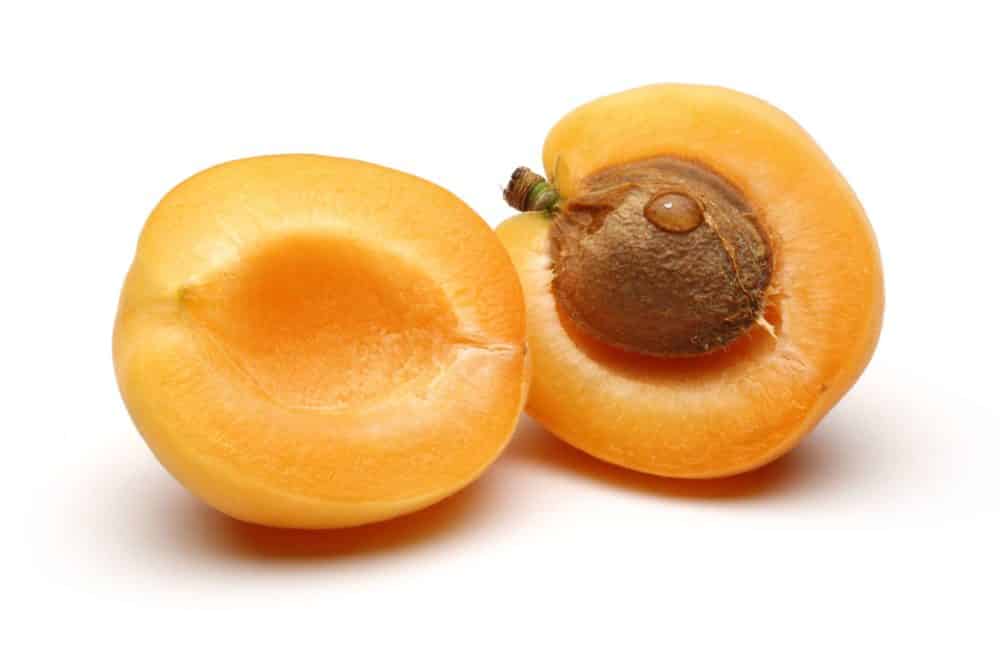
Yes, chickens can eat apricots, and most hens love them. The soft orange flesh is sweet, juicy, and full of vitamin A, and a few small pieces make a perfect summer treat. But there is one part you must always take out first, and that is the pit. The pit, the leaves, the stems, and the bark of the apricot tree are all unsafe for chickens, because they contain cyanide compounds. So the whole question comes down to one simple habit. Serve the flesh, remove the pit, and keep the rest of the tree out of the run.

Table of Contents
- The Short Answer. Flesh Yes, Pit No
- What the Food Checker Says. Safe With One Rule
- Why the Pit Is Unsafe. Cyanide Compounds in the Stone
- Leaves, Stems and Bark. The Rest of the Tree Stays Out
- How to Serve Apricots. Halve, Pit, Chop
- How Much and How Often. A Few Pieces, A Few Times a Week
- Dried Apricots. Same Fruit, More Sugar
- Can Baby Chicks Eat Apricots. Tiny Pieces, Only After Two Weeks
- What If a Hen Eats a Pit. What to Watch For
- FAQs
At a Glance
Apricot flesh is safe for chickens once the pit is removed. Serve a few small pieces per bird, a few times a week, and keep treats to about 10 percent of the diet. Ripe, soft fruit is best, and the flesh is rich in vitamin A.
The Pit
Apricot pits are unsafe and contain cyanide compounds. Never feed pits, cracked pits, or apricot kernels. Always halve the fruit, twist the pit out, and bin it before the apricots reach the flock.
Dried Apricots
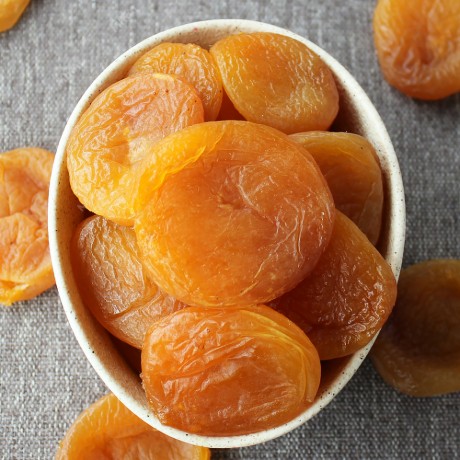
Dried apricots are safe in small amounts but much sweeter than fresh, because drying concentrates the sugar. Choose unsweetened dried apricots with no added sugar, chop them small, and offer them rarely.
The Short Answer. Flesh Yes, Pit No
Can chickens eat apricots. Yes, they can, and the flesh is a safe and healthy treat. A ripe apricot is soft, sweet, and easy for a hen to peck apart, and it brings vitamin A for eyesight and feather condition, plus a little vitamin C, potassium, and fibre.
The rule is one habit, not a long list. Halve the apricot, take the pit out, and serve the flesh. The pit stays in the bin, the leaves and stems stay out of the run, and the flesh goes to the hens.
There is an honest conflict in the sources worth naming. One well known treat guide, Grubbly Farms, lists apricots as a food to avoid, while most other keepers and guides say the flesh is fine once the pit is out. Our own food checker settles it in favour of the flesh, and the rest of this article follows the checker.
What the Food Checker Says. Safe With One Rule
Our homepage food checker gives apricots a clear answer, and it is worth quoting exactly, because the checker is the same tool readers use on the site. For “apricot” the checker says SAFE, with the note “Pit removed first”. For “apricot pits” the checker says UNSAFE, with the note “Contain cyanide compounds”. Both are exact matches in the checker, not fuzzy guesses. If you want the full safe and toxic list, read our guide to what can chickens eat.
Apricot. SAFE. Pit removed first.
Apricot pits. UNSAFE. Contain cyanide compounds.
Why the Pit Is Unsafe. Cyanide Compounds in the Stone
The pit is unsafe because it contains amygdalin, a natural compound that releases hydrogen cyanide when it is chewed and digested. The flesh has none of this problem, which is why the checker can call the fruit safe and the pit unsafe in the same breath. The danger sits inside the hard stone, in the kernel at its centre, and it only becomes a problem if the kernel is cracked open and eaten.
This is the same pattern as other stone fruit. Our guide to can chickens eat plums covers the same pit removal habit, and the rule is identical. Remove the stone before the fruit reaches the birds, every time, without exception. A hen cannot be trusted to eat around a pit, because she will peck at the whole fruit and swallow what fits.
Apricot kernels deserve a special warning, because they are sometimes sold as a health food for people. They are not food for chickens, and they should never be cracked open for the flock. The kernel is the most concentrated part of the pit. If you buy apricot kernels for yourself, keep the packet in the kitchen, far from the treat bowl.
Leaves, Stems and Bark. The Rest of the Tree Stays Out
The pit is not the only unsafe part of the apricot tree. The leaves, stems, and bark carry the same cyanide compounds as the pit, and they belong nowhere near your flock. This matters most in two everyday situations, pruning season and windfall season, when apricot branches and leaves end up on the ground where hens scratch.
If you prune an apricot tree, keep the cut branches out of the run and off any compost heap the hens can reach. Hens love to peck at fresh green leaves, and wilted leaves from a pruned branch are easy for them to tear apart. The same goes for fallen leaves in autumn. Rake them out of the run, and do not use apricot prunings as run bedding or as a perch. Strip the leaves off market apricots before serving, and bin them with the pits.
If your hens free range under an apricot tree, watch them in fruit season. Fallen fruit with the pit still inside is the real risk, because a hen will peck at a soft fallen apricot and can crack the pit. Pick up windfalls before the hens reach them, or fence the tree off while the fruit is dropping.
How to Serve Apricots. Halve, Pit, Chop
Serving apricots safely takes less than a minute, and the steps are the same every time. Wash the fruit first, because apricots from the shop or the market can carry spray residue and dust. Cut the apricot in half around its seam, twist the two halves apart, and lift the pit out with your thumb. Then chop the flesh into small pieces, about the size of your thumbnail, and scatter them in a dish or on clean ground.
Chopping matters more than it looks. A whole apricot half is easy for one bold hen to grab and run off with, and small pieces spread the treat around the flock, so the shy hens at the back get some too. For a small flock, two or three apricots, halved, pitted, and chopped, is plenty for one serving.
Ripe fruit is best. A soft, fragrant apricot is easy to chop and easy for the hens to eat. A hard, unripe apricot is less appealing, and the hens may peck at it once and walk away. Frozen apricots work too, as a summer cooler, but thaw them first and never serve them frozen solid. Canned apricots in syrup are the one form to skip, because the syrup adds far more sugar than the fruit itself carries.
How Much and How Often. A Few Pieces, A Few Times a Week
Apricots are a treat, not feed, and the amount matters as much as the safety rule. A good serving is a few small pieces per bird, roughly two to three apricots shared between four hens, offered two or three times a week at most. Treats of every kind together should stay under about 10 percent of what your hens eat in a day, because layer feed is what makes eggs, and treats only dilute it.
Fresh apricots carry about 9 grams of natural sugar per 100 grams, which is modest for a fruit, and that is why a few pieces are fine. But a whole bowl of apricots every day would push the sugar up, fill the hens with fruit instead of feed, and could mean looser droppings and fewer eggs. The limit is not about danger, it is about balance.
A few pieces will not change the flavour of your eggs. The flavour of an egg comes mostly from the hen’s main feed, and a treat as small as this one will not show up in the yolk. What apricots do bring is vitamin A, which supports eyesight and feather condition, and a little vitamin C and potassium. If you want to stretch the treat further, mix the chopped apricot with other safe fruit, such as pear pieces with the seeds removed. Our guide to can chickens eat pears covers the same seed removal habit.
Dried Apricots. Same Fruit, More Sugar
Dried apricots are safe for chickens, but they are a different treat from fresh ones, and the difference is sugar. Drying takes the water out of the fruit and leaves the sugar behind, so dried apricots carry roughly five times the sugar of fresh apricots by weight. That is why dried apricots belong in the rare treat group, not the everyday one.
Choose unsweetened dried apricots with no added sugar, and read the packet before you buy. Some dried apricots are sweetened or coated, and those are not worth feeding. Many are also treated with sulphur dioxide to keep their bright orange colour, and while a tiny amount is not a danger, the plain brown unsulphured kind is the better choice for your flock if you can find it.
Chop dried apricots small before serving, because they are chewy and sticky, and a whole dried apricot is easy for a hen to swallow in one gulp. A soak in warm water for ten minutes softens them nicely. One dried apricot chopped into pieces, shared between several hens, is enough for one serving, and once a week is plenty. Apricot jam should stay in the kitchen, because jam is mostly added sugar.
Can Baby Chicks Eat Apricots. Tiny Pieces, Only After Two Weeks
Can baby chicks eat apricots. Yes, but only in tiny amounts, only after they are about two weeks old, and only as soft ripe flesh with the pit removed. Chicks under two weeks should eat starter feed only, because their digestion is still developing, and they need the balanced nutrition in the starter to grow properly.
When your chicks are old enough for treats, offer only a very small piece of soft ripe flesh, mashed or chopped as fine as you can, and only one piece between several chicks. The flesh must be soft, because a chick cannot manage firm fruit, and the piece must be tiny, because a chick’s throat is small. Always have chick grit available when you offer any treat, because chicks need grit in their gizzard to grind food that is not starter crumb.
Never give chicks pits, dried apricots, or apricot leaves. Dried apricots are too chewy and too sugary for a small chick, and pits and leaves carry the same cyanide compounds that make them unsafe for grown hens. A chick is smaller and lighter than a hen, so the same hazard matters more, not less. If a chick seems quiet, stops eating, or has very loose droppings after a first taste, go back to starter feed only and try again in a week.
What If a Hen Eats a Pit. What to Watch For
It happens to most keepers sooner or later. A hen finds a fallen apricot, or a pit slips into the treat bowl, and before you can reach her she has swallowed it. The first thing to do is stay calm, because a single pit swallowed whole is not an emergency on its own. The danger comes when the pit is cracked and the kernel inside is chewed, because that is when the cyanide compounds are released. A whole pit will often pass through a hen undigested, and many hens have done exactly that without any harm.
Watch her closely for the next few hours. The signs that matter are laboured breathing, weakness, wobbling, or a hen who suddenly stops eating and drinking and sits puffed up and quiet. Cyanide poisoning acts fast when it happens, so if you see any of those signs, call a vet at once and tell them she may have eaten an apricot pit. Do not wait to see if she improves on her own, and do not try to make her sick, because that can do more harm than the pit.
If she is eating, drinking, and moving normally after a few hours, she is almost certainly fine, and you can relax. The habit to take away from the scare is the same one this article keeps repeating. Pick up fallen fruit before the hens reach it, check the treat bowl before you set it down, and bin every pit as you halve the fruit.
FAQs
Are apricots safe for chickens.
Yes, apricot flesh is safe for chickens once the pit is removed. Our food checker calls apricot SAFE with the note “Pit removed first”. Serve a few small pieces per bird, a few times a week, and keep the pits, leaves, stems, and bark away from the flock.
Can chickens eat apricot pits.
No, apricot pits are unsafe. Our food checker calls apricot pits UNSAFE with the note “Contain cyanide compounds”. The pit contains amygdalin, which releases hydrogen cyanide when the kernel inside is chewed. Always halve the fruit, twist the pit out, and bin it before serving.
Can chickens eat dried apricots.
Yes, in small amounts. Dried apricots are safe, but drying concentrates the sugar to roughly five times the level in fresh apricots, so they are a rare treat. Choose unsweetened dried apricots with no added sugar, chop them small, soak them to soften them, and offer about one dried apricot shared between several hens, once a week at most.
Can baby chicks eat apricots.
Yes, but only after they are about two weeks old, and only a tiny piece of soft ripe flesh with the pit removed. Chicks under two weeks should eat starter feed only. Always have chick grit available when you offer a treat, and never give chicks pits, dried apricots, or apricot leaves.
Can chickens eat apricot leaves.
No, apricot leaves are unsafe, and so are the stems and bark. They carry the same cyanide compounds as the pit. Keep prunings and fallen leaves out of the run, strip leaves off market apricots before serving, and pick up fallen fruit before the hens reach it.
If you are just starting out with backyard chickens, grab our free starter checklist and keep it by the coop for those first weeks of trying new treats.
For another sweet fruit in this series, see our guide to can chickens eat dates.
Keep Reading

Nusrat
Author, TheChickenPet.com