

Chicken Care and Health
Yes, chickens can eat dates, but only in small amounts and only rarely. Dates are the sweetest fruit in this whole feeding series, and that sweetness is the whole story. A date is soft, chewy, and packed with natural sugar, and most hens will gobble it down in seconds. That is exactly why the serving has to stay tiny. One or two pitted dates per bird, chopped into small pieces, a few times a week at most, and the pit always comes out first. Treat dates like a sweet you share on a special day, not like a food you hand out every morning.
Table of Contents
- The Short Answer. Yes, in Small Amounts Only
- What the Food Checker Says. Caution, Not a Free Pass
- Why Dates Are a Caution Food. The Sugar Problem
- Fresh Dates vs Dried Dates. Which Is Better
- The Pit Question. Remove It First
- How to Serve Dates. Pit, Chop, Scatter
- How Much and How Often. One or Two Dates, Rarely
- Medjool vs Deglet Noor. Does the Variety Matter
- Can Baby Chicks Eat Dates. Tiny Pieces, Only After Two Weeks
- What If a Hen Eats a Whole Date. What to Watch For
- FAQs
At a Glance
Dates are a Caution food for chickens, not a free treat. Serve one or two pitted dates per bird, chopped into tiny pieces, a few times a week at most. Always remove the pit first, and keep treats under about 10 percent of the daily diet.
The Sugar Rule
Dried dates are about two thirds sugar by weight, and one Medjool date carries around 16 grams of sugar. That is why the serving stays tiny and the treat stays rare. Soft fresh dates are the better choice, because they carry more water and less sugar per piece than dried ones.
The Pit
Always pit dates before serving. The hard pit is a choking risk, and a hen can crack it while pecking. The checker has no separate entry for date pits, so the pit rule here is this article’s own guidance, not a checker verdict.
The Short Answer. Yes, in Small Amounts Only
Can chickens eat dates. Yes, they can, and most hens love them. A date is soft, sweet, and easy to peck apart, and it brings fibre, potassium, and magnesium along with the sugar. But dates are a Caution food on our own food checker, not a Safe one, and the difference matters. A Safe food can be a regular treat. A Caution food is a rare treat, served in tiny pieces, and only now and then.
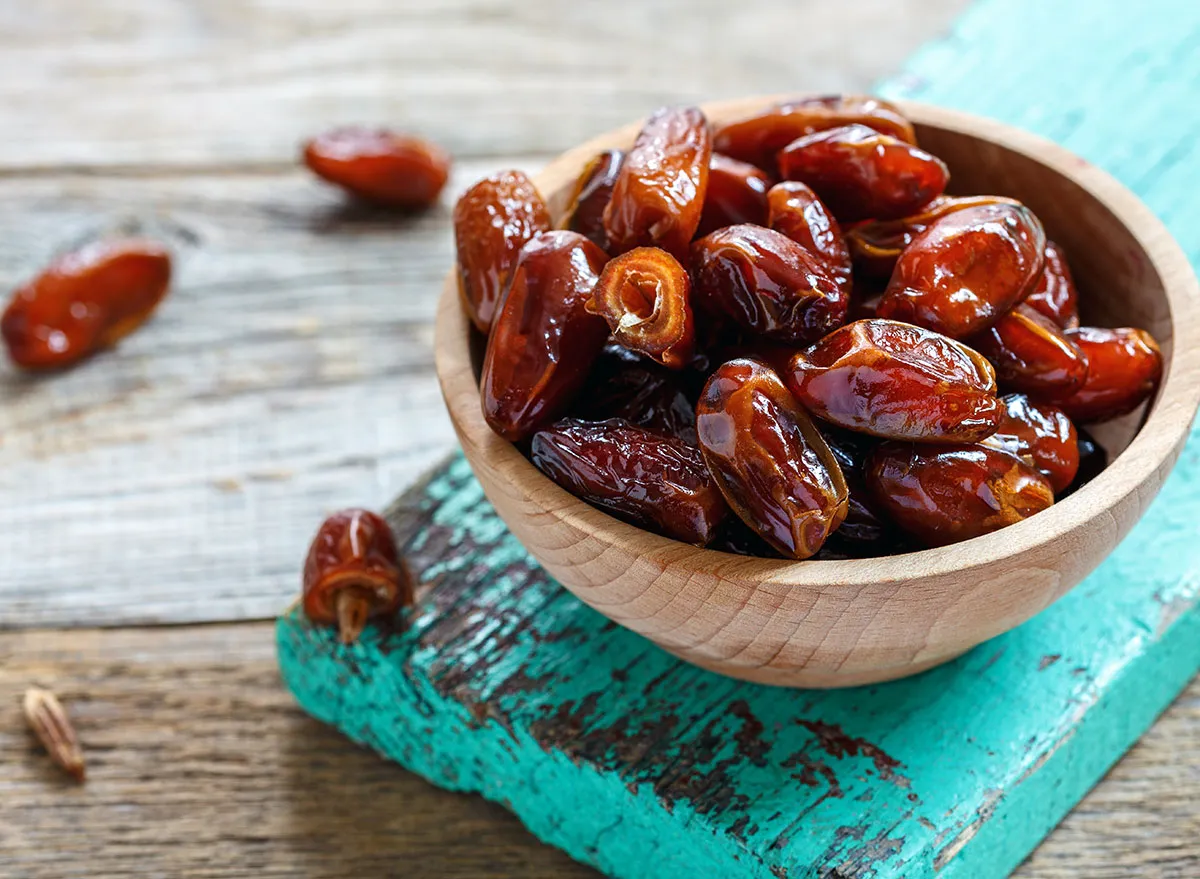
The rule is short enough to remember. Pit the date, chop it small, and serve one or two per bird. Do that a few times a week at most, and dates are a fine occasional treat. Hand out a whole bowl of them every day, and the sugar will push layer feed out of the diet, loosen the droppings, and cost you eggs. The fruit is not the problem. The amount is.
What the Food Checker Says. Caution, Not a Free Pass
Our homepage food checker gives dates a clear answer, and it is worth quoting exactly, because the checker is the same tool readers use on the site. For “dates” the checker says CAUTION, with the note “Very sugary, tiny pieces, rare treat”. That is a genuine entry in the checker, confirmed live on the homepage and matched against the checker’s own data file. If you want the full safe and toxic list, read our guide to what can chickens eat.
Dates. CAUTION. Very sugary, tiny pieces, rare treat.
Date pits. No checker entry. Pit them out as a precaution, see the pit section below.
One honest point belongs here. The checker has no separate entry for date pits, so this article does not claim a checker verdict on pits. The pit advice in this article is the article’s own guidance, based on the choking risk of a hard pit, and it is marked as such wherever it appears.
Why Dates Are a Caution Food. The Sugar Problem
Dates are a Caution food for one reason, and it is not a poison or a toxin. It is sugar. Dried dates carry around 66 grams of sugar per 100 grams, which means roughly two thirds of a dried date by weight is sugar. A single Medjool date carries about 16 grams of sugar, which is more sugar than a hen should get from any one treat. For comparison, that is far sweeter than the other fruits in this series, and it is why dates sit in the Caution group while most fruit sits in the Safe group.
Sugar is not poison for a hen, but it displaces the food that matters. Layer feed is carefully balanced for eggshells, yolks, and laying health. Every beakful of dates is a beakful of feed the hen does not eat, and a diet that leans sweet will show up as fewer eggs, looser droppings, and hens that put on weight. A fat hen lays less well and is more prone to laying problems, so the sugar limit is really an egg limit in disguise.
Dates do bring good things with the sugar. They are rich in fibre, which helps the gut, and they carry potassium and magnesium, plus small amounts of B vitamins and antioxidants. None of that changes the serving rule, because the sugar comes in the same bite as the nutrients. Think of dates the way you think of any sweet fruit treat. Our guide to can chickens eat mango covers the other very sweet fruit in this series, and the same rationing habit applies there. A little is a pleasure, a lot is a problem.
Fresh Dates vs Dried Dates. Which Is Better
Fresh dates beat dried dates for chickens, and the reason is water. A soft fresh date still carries its natural moisture, so each piece has less sugar in it than the same sized piece of a dried date. Drying takes the water out and leaves the sugar behind, so dried dates are more concentrated, stickier, and easier to overfeed. If you can buy soft fresh dates, choose those. If you can only find dried ones, which is the case in most shops, serve even smaller pieces and even less often.
Most dates sold in shops are dried or semi dried, even when the packet calls them fresh. Medjool dates are the soft, plump, sticky ones, and Deglet Noor dates are smaller, firmer, and a little less sweet. Both are dried in the usual sense, and both follow the same rule in this article. The difference between the two varieties is small next to the difference between a fresh date and a dried one, and both need pitting and chopping.
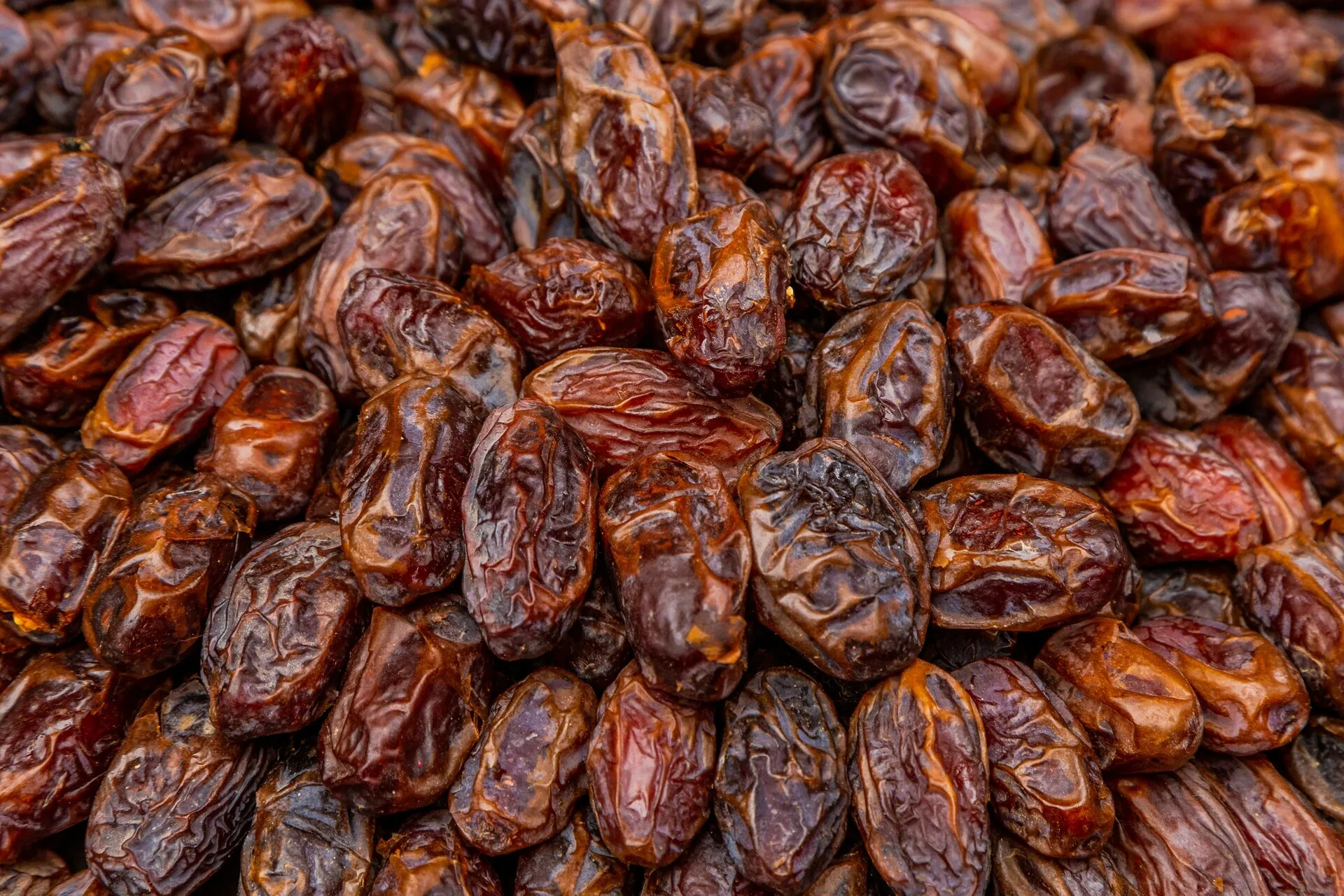
The dried fruit trap is one this series has met before. Our guide to can chickens eat figs covers the other dried fruit where the sugar concentrates as the water leaves, and our guide to can chickens eat cranberries covers the dried fruit sugar trap too. Dried cranberries are often sweetened on top of their own sugar, while dates are sweet enough already, so never buy sweetened or candied dates. Plain, unsweetened dates only, and read the packet before you buy, because some packs add sugar or glucose syrup.
The Pit Question. Remove It First
The pit question is where the sources disagree, so it deserves an honest answer. Some keepers say pitted dates only, and that a whole date with the pit is a choking risk. ChickenRise, one of the dedicated guides on this exact question, says hens can be fed whole dates and will discard the pit themselves. Both sides are describing real hens, and that is why this article settles the question with a simple habit instead of a debate. Pit every date before it reaches the flock.
The pit is hard, smooth, and just the wrong size. A hen pecks fast and swallows fast, and a pit that size can lodge in the throat or be cracked by a determined beak. A cracked pit is sharp, and a swallowed pit can block the gut. Neither outcome is common, but neither is worth risking when pitting takes five seconds. Squeeze the date open along its seam, pop the pit out with your thumb, and bin it. That is the whole job.
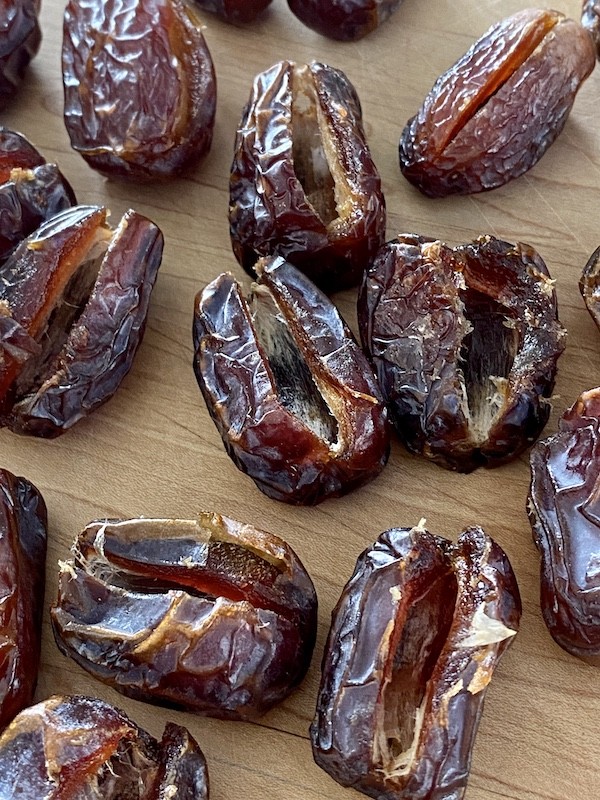
To be clear about the checker, it has no separate entry for date pits. When you type “date pits” into the checker, it shows the dates Caution note, which is the checker matching the word date, not a verdict on the pit itself. So the pit rule here is this article’s own guidance, not a checker verdict, and it is stated that way on purpose. The same habit applies to the other stone fruit in this series, and our guide to can chickens eat plums covers the pit removal rule there. Remove the stone before the fruit reaches the birds, every time, without exception.
How to Serve Dates. Pit, Chop, Scatter
Serving dates safely takes less than a minute, and the steps are the same every time. Wash the dates first if they are loose or dusty, though most packed dates are clean enough to serve as they are. Squeeze each date open along its seam and pop the pit out. Then chop the flesh into tiny pieces, about the size of a pea, and scatter them in a dish or on clean ground.
Chopping matters more than it looks. A whole date is sticky, and one bold hen can grab it and run off with it, which leaves the shy hens with nothing and the bold hen with too much sugar. Tiny pieces spread the treat around the flock, so every bird gets a taste and no bird gets a whole date. For a small flock of four hens, four to eight dates, pitted and chopped, is plenty for one serving, and that serving should be a rare one.
Soaking dried dates in warm water for ten minutes softens them nicely, and softened pieces are easier to chop and easier for the hens to eat. Never serve dates in syrup, date paste, or date syrup, because those are concentrated sugar with the fibre stripped out. Stuffed dates belong at the table, not in the run, because the nuts, salt, and coatings add richness a hen does not need. Plain pitted dates, chopped small, are the only form this article recommends.
How Much and How Often. One or Two Dates, Rarely
Dates are a treat, not feed, and the amount matters as much as the pitting rule. A good serving is one or two pitted dates per bird, chopped into tiny pieces, offered two or three times a week at most, and many keepers will find once a week is plenty. Treats of every kind together should stay under about 10 percent of what your hens eat in a day, because layer feed is what makes eggs, and treats only dilute it.
A single Medjool date carries about 16 grams of sugar, so two dates per bird is already a generous sweet treat. A whole bowl of dates every day would push the sugar up sharply, fill the hens with fruit instead of feed, and could mean looser droppings and fewer eggs. The limit is not about danger, it is about balance, and the same balance rule runs through the whole feeding series.
A few pieces will not change the flavour of your eggs. The flavour of an egg comes mostly from the hen’s main feed, and a treat as small as this one will not show up in the yolk. What dates do bring is fibre and potassium, and a little variety in a week that is mostly layer feed and greens. If you want to stretch the treat further, mix the chopped dates with other safe fruit, such as pear pieces with the seeds removed. Our guide to can chickens eat pears covers the same seed removal habit.
Medjool vs Deglet Noor. Does the Variety Matter
Are dates safe for chickens, whichever variety you buy. Yes, the variety matters less than the serving, but the two common kinds are worth knowing. Medjool dates are the large, soft, plump ones, dark brown and almost caramel like, and they are the sweetest dates you will find in a shop. Deglet Noor dates are smaller, firmer, and golden brown, with a milder sweetness and a chewier bite. Both are fine for chickens once pitted and chopped, and both follow the same Caution rule.
The practical difference is size. One Medjool date is roughly twice the flesh of one Deglet Noor, so one Medjool per bird is already a full serving, while two small Deglet Noor dates equal about the same amount. If you buy Medjool dates, chop each one into four or five tiny pieces. If you buy Deglet Noor dates, two or three pieces per date is enough. Either way, count the dates, not the pieces, because the sugar sits in the whole fruit.
Can chickens eat dried dates. Yes, and most of the dates you will buy are dried or semi dried, including the soft Medjool dates in the packet. The dried label does not change the rule, it only means the pieces should be smaller and the treat rarer. Fresh dates, the soft, moist, just picked kind, are the better choice where you can find them, but they are seasonal and harder to buy, so dried dates done right are the normal choice for most keepers.
Can Baby Chicks Eat Dates. Tiny Pieces, Only After Two Weeks
Can baby chicks eat dates. Yes, but only in tiny amounts, only after they are about two weeks old, and only as soft flesh with the pit removed. Chicks under two weeks should eat starter feed only, because their digestion is still developing, and they need the balanced nutrition in the starter to grow properly.
When your chicks are old enough for treats, offer only a very small piece of soft flesh, mashed or chopped as fine as you can, and only one small piece between several chicks. The flesh must be soft, because a chick cannot manage firm dried fruit, and a soak in warm water helps. Always have chick grit available when you offer any treat, because chicks need grit in their gizzard to grind food that is not starter crumb.
Never give chicks pits, dried dates, or date syrup. Dried dates are too chewy and too sugary for a small chick, and pits carry the same choking risk that makes them unsafe for grown hens. A chick is smaller and lighter than a hen, so the same hazard matters more, not less. If a chick seems quiet, stops eating, or has very loose droppings after a first taste, go back to starter feed only and try again in a week. Most keepers will find it simpler to wait until the chicks are four weeks old before offering dates at all.
What If a Hen Eats a Whole Date. What to Watch For
It happens to most keepers sooner or later. A hen finds a date you dropped, or a pit slips into the treat bowl, and before you can reach her she has swallowed it whole. The first thing to do is stay calm, because a single whole date is not an emergency on its own. The sugar in one date will not harm a healthy hen, and a whole pit will often pass through her undigested.
Watch her closely for the next few hours. The signs that matter are gaping or stretching the neck as if something is stuck, laboured breathing, weakness, wobbling, or a hen who suddenly stops eating and drinking and sits puffed up and quiet. If you see gaping or distress, she may have a pit lodged in her throat, and that needs a vet at once. Do not try to pull it out yourself, and do not try to make her sick, because both can do more harm than the pit.
If she is eating, drinking, and moving normally after a few hours, she is almost certainly fine, and you can relax. The habit to take away from the scare is the same one this article keeps repeating. Pit every date before it reaches the flock, check the treat bowl before you set it down, and bin every pit as you open the fruit.
FAQs
Are dates safe for chickens.
Yes, in small amounts. Our food checker calls dates CAUTION with the note “Very sugary, tiny pieces, rare treat”. Serve one or two pitted dates per bird, chopped into tiny pieces, a few times a week at most, and always remove the pit first.
Can chickens eat dried dates.
Yes, in even smaller amounts. Most dates sold in shops are dried or semi dried, including soft Medjool dates. Drying concentrates the sugar, so chop dried dates into tiny pieces, soak them to soften them, and offer them rarely. Choose plain unsweetened dates with no added sugar.
Can chickens eat date pits.
No, not as a habit. Always remove the pit before serving, because the hard pit is a choking risk and can block the gut if swallowed. The checker has no separate entry for date pits, so this is the article’s own guidance, not a checker verdict. If a hen swallows one whole pit, watch her for a few hours and call a vet if she gapes, struggles to breathe, or stops eating.
Can chickens eat Medjool dates.
Yes. Medjool dates are the large, soft, sweet variety, and they follow the same Caution rule as other dates. One Medjool date per bird, pitted and chopped into four or five tiny pieces, is a full serving. Deglet Noor dates are smaller and a little less sweet, so two small ones equal about the same amount.
Can baby chicks eat dates.
Yes, but only after they are about two weeks old, and only a tiny piece of soft flesh with the pit removed. Chicks under two weeks should eat starter feed only. Always have chick grit available when you offer a treat, and never give chicks pits, dried dates, or date syrup. Most keepers find it simpler to wait until four weeks old.
If you are just starting out with backyard chickens, grab our free starter checklist and keep it by the coop for those first weeks of trying new treats.

Nusrat
Author, TheChickenPet.com
If chickpeas are on your treat list too, read our guide to can chickens eat chickpeas for the cooked only rule.