

Chicken Breeds
If your child has already named a chicken she does not own yet, this is the breed most likely to live up to the name. The Salmon Faverolles looks like a storybook hen, bearded, muffed, feather-footed, and slightly surprised by everything, and her temperament matches the look. Hatcheries describe Faverolles as very gentle, good with children and affectionate with their handlers, and keepers keep using the same word. Sweet.
So yes, Faverolles are good with children, among the very best breeds a family can choose. This honest review covers why, the temperament in daily life, the eggs, and the handling rules that keep the friendship safe on both sides. It also gives you the two real downsides, because no breed is perfect, and the Faverolles’ weak points are worth knowing before she joins a flock.
Table of Contents 8 sections
- The Short Answer. Yes, One of the Gentlest Breeds a Family Can Keep
- Salmon Faverolles Temperament. Gentle, Talkative and a Little Bit Goofy
- Faverolles at a Glance
- What Makes Them So Good With Children
- Teaching Children to Handle a Faverolles
- The Honest Downsides for Families
- Best Flock Companions for a Family Faverolles
- FAQs
At a Glance: Temperament: Gentle, affectionate, a little goofy; Good with children: Yes, with supervision; Hen weight: About 6.5 lb; Rooster weight: About 8 lb; Noise: Quiet, among the quietest friendly breeds
Egg Facts: Eggs per year: 150 to 200; Egg colour: Tinted; Eggs per week: About 3 to 4 in lay; Winter laying: Good, keeps laying into winter
Good to Know: Beard, muffs, feathered feet and a fifth toe; Sits low in the pecking order, so choose companions gently; Handle chicks daily so they grow up confident
The Short Answer. Yes, One of the Gentlest Breeds a Family Can Keep
Yes. If there is a shortlist of chicken breeds to trust around children, the Salmon Faverolles sits near the top of it, and she earns her spot in our “friendliest chicken breeds” guide for exactly that reason. She is gentle by nature, people-oriented, calm when handled, and quiet enough for close neighbours. Even her roosters are unusually docile for roosters, although the rule in the handling section below applies to every rooster around small children, this breed included.
There is one condition, and it is about the children, not the hen. A Faverolles suits children who handle birds respectfully and are supervised while they are learning. Given that, she does not just tolerate family life. She participates in it.
Salmon Faverolles Temperament. Gentle, Talkative and a Little Bit Goofy
The Faverolles temperament is best summed up as friendly with a comic streak. She is curious about everything, follows her people around the garden narrating as she goes, and has a slightly clownish quality that comes from the beard, the muffs and her perpetually interested expression. She talks a lot, but softly. This is a quietly chatty hen, not a loud one.
She is also a genuine lap chicken candidate. Many Faverolles actively seek out their people, settle onto a lap or a low bench, and sit for a stroke the way other hens simply never do. For a child, that willing closeness is the whole magic. The hen is not enduring attention. She is enjoying it.
Faverolles at a Glance
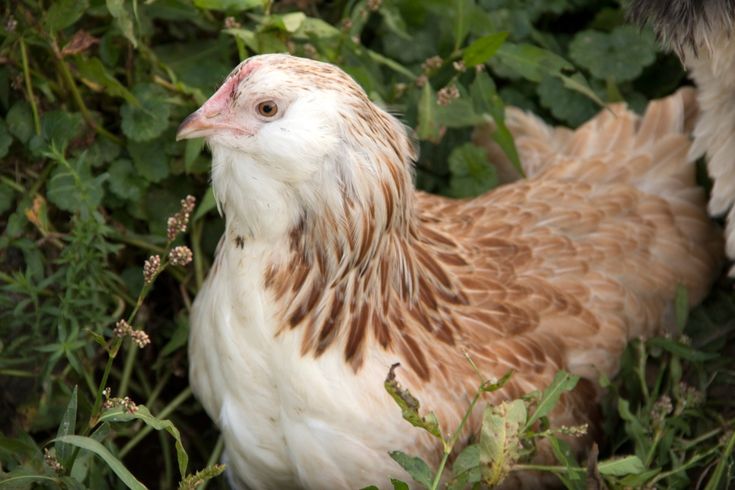
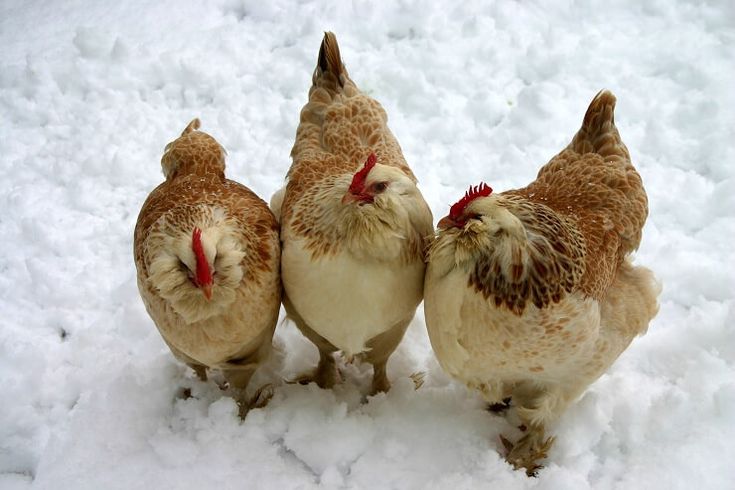
The practical numbers. A hen weighs about 6.5 lb and a rooster about 8 lb, a solid huggable size for older children and steady under an arm. She lays 150 to 200 tinted eggs a year, about 3 to 4 a week while in lay, and she is one of the breeds that keeps laying through winter better than most. She is cold-hardy under all that feathering. Breed guides put her lifespan at about 5 to 7 years, on the shorter side for a heritage breed, which is worth knowing when a hen becomes a beloved pet.
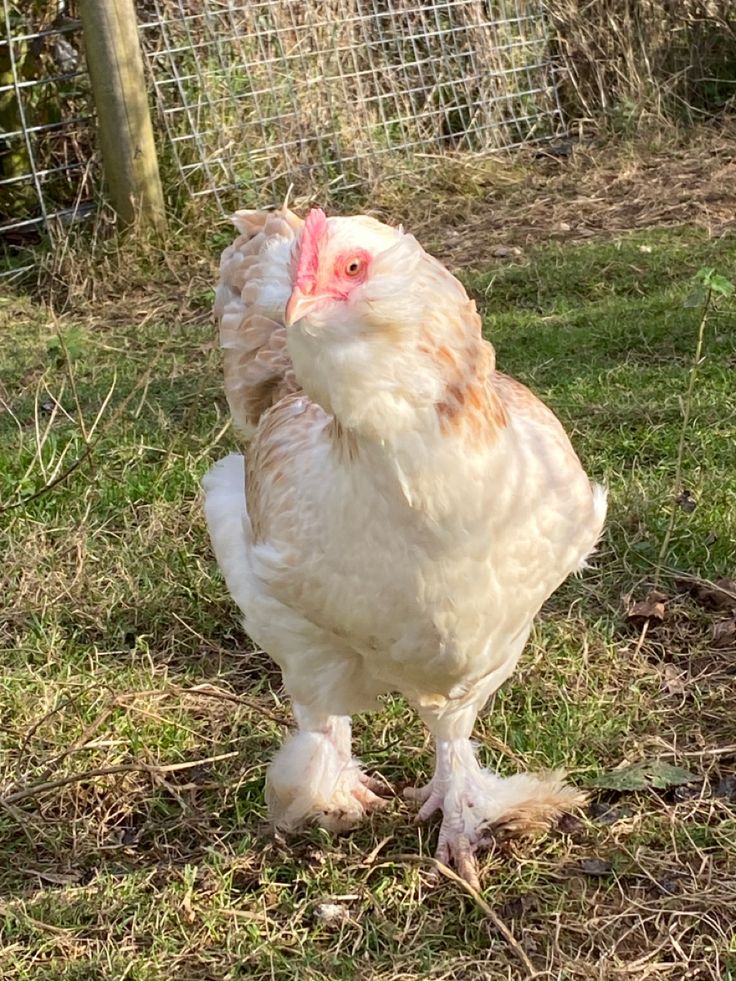
Her look is part of the appeal and part of the work. The beard and muffs hide her face in fluff, her legs are feathered down to her toes, and she carries a fifth toe where other hens have four. Children find the beard irresistible, and they are right.
What Makes Them So Good With Children
Four things come together. She is calm, so sudden childish movement startles her far less than it startles flightier breeds. She is people-oriented, so she approaches children instead of fleeing them. She tolerates and often enjoys being held, which is the interaction children actually want. And she is quiet, which keeps the peace with neighbours as well as within the family.
Parents weighing the other classic family breed usually ask about noise too, and our guide “Are Buff Orpingtons Noisy?” covers that side in full. The short version is that Faverolles and Buff Orpingtons are the two answers most families end up choosing between, and many keep both.
Teaching Children to Handle a Faverolles
Even the gentlest hen is a prey animal with a child’s fast hands to learn about. Teach these habits from the first day and the friendship runs smoothly for years.
- Always supervise. An adult stays within reach whenever young children handle any chicken, roosters included, however docile the breed.
- Support the body. One hand under the breast with the feet resting on it, the other arm gently over the wings. Never pick a hen up by her legs, wings or tail feathers.
- Sit down to hold her. A child seated on the ground or a low bench means a wriggle leads to a short, safe drop instead of a fall.
- No chasing, ever. Let the hen come to the child. Chasing teaches a hen that children are frightening, and unteaches it slowly.
- Move slowly and talk quietly. A Faverolles will meet calm energy halfway.
- Wash hands after handling, every time, as with all poultry.
The Honest Downsides for Families
Two, and both are manageable once you know them. First, Faverolles sit low in the pecking order and can be bullied, sometimes badly, by assertive breeds. Her gentle nature is the very thing assertive hens exploit. The fix is companion choice, covered in the next section.
Second, her friendliness is partly made, not only born. Chicks who are not handled often can grow up shy, which disappoints families who bought the breed for closeness. The fix is in your hands from day one. Gentle handling every day while she is a chick, a few minutes at a time, and the famous Faverolles affection shows up in full. Add one practical note. Her feathered feet need reasonably dry ground, because mud balls on feathered toes in wet weather.
Best Flock Companions for a Family Faverolles
Build the flock around her temperament. The kind companions are the other calm, friendly breeds. Buff Orpingtons, Cochins and Silkies all mix with Faverolles peacefully, and each brings something of its own, from the Orpington’s steady laying to the Cochin’s mothering, which our guide “How Often Do Cochins Go Broody?” covers in full.
Think twice before adding the assertive breeds. Plymouth Rocks and Rhode Island Reds are fine birds in the right flock, but guides advise against housing them with Faverolles, and keeper experience agrees. A family flock chosen for gentleness all the way through is quieter, calmer and far easier for children to enjoy.
FAQs
Are Faverolles friendly? Very. They are gentle, personable and people-oriented, often following their keepers around the garden and settling for a lap. Handled regularly as chicks, they grow into some of the most affectionate hens you can keep. Unhandled birds can be shy, which is why daily gentle handling early on matters.
What are the calmest chicken breeds for kids? The shortlist that comes up again and again is the Salmon Faverolles, the Buff Orpington, the Silkie and the Cochin. All four are gentle, handleable and quiet enough for family gardens. The Faverolles adds a comic, talkative personality, the Orpington adds stronger laying, the Silkie adds extreme broodiness, and the Cochin adds size and mothering.
How many eggs do Faverolles lay per year? Between 150 and 200 tinted eggs a year, about 3 to 4 a week while in lay. They are also known for carrying on laying into winter better than many breeds, so the eggs spread across the year more evenly than the headline number suggests.
Are Faverolles good for beginners? Yes, they are one of the easiest breeds to start with. Hardy in cold weather, gentle with people, quiet for neighbours, and straightforward to care for. Just keep their feathered feet on reasonably dry ground and pick calm breeds as their flock mates.
Are Faverolles roosters aggressive? They are unusually docile for roosters, and guides describe them as among the most affectionate roosters available. The standard rule still applies though. Supervise any rooster around small children, because individual birds vary and a startled bird of any kind can scratch.
Keep Reading
