

Chicken Breeds
Some hens treat motherhood as an accident. A Cochin treats it as a career. If your big, fluffy hen has glued herself to the nest box for the second or third time this year, growling at your hand and refusing every eviction, nothing is wrong with her. She is doing exactly what her breed was shaped to do, and she will probably do it again before the season is out.
Cochins are one of the broodiest breeds you can keep, going broody several times a year as a matter of routine. This guide covers how often to expect it, how to read the signs, how long a bout lasts, why her eggs stop while she sits, and the humane step by step way to break a bout when you do not want chicks. It also covers the other side, because a broody Cochin is one of the best mothers in the chicken world, including for eggs that are not her own.
Table of Contents 8 sections
At a Glance: Broody bouts per year: Several, mostly in warmer months; Sitting on eggs: About 21 days; Raising chicks: About 4 to 6 weeks after the hatch; Eggs per year: 150 to 180, brown; Mothering: Excellent, a famous foster mother
Sitting Facts: On an empty nest: Can persist 3 to 4 weeks or longer; Laying while broody: Stops completely; After breaking a bout: About 1 to 2 weeks before she lays again; First eggs: Around 8 months, she is slow to mature
Good to Know: Bantam Cochins go broody just as readily; She can hatch other breeds’ eggs, even duck or turkey eggs; A heavy hen can crack thin-shelled eggs, so pick sturdy foster eggs
The Short Answer. Several Times a Year, Broodiness Is the Cochin’s Defining Trait
Often. A healthy Cochin hen in her laying years typically goes broody several times a year, most often in the warmer months, and breed guides describe the Cochin flatly as an extremely broody breed. No honest keeper will promise you an exact number, because hens differ. Some settle for twice a year, others finish raising one brood and are back on a nest within weeks. What you can rely on is the direction. If broodiness is something you want to avoid entirely, this gentle giant from our friendliest chicken breeds guide is the wrong breed for you. If you want a hen who raises chicks like it is her calling, she is the right one.
The instinct starts once she is laying. Cochins mature slowly and usually lay their first eggs at around 8 months, so a young pullet gives you a quiet first stretch before the sitting seasons begin.
Cochin Broodiness at a Glance
The pattern, in one place. Several bouts a year. About 21 days of sitting if she has eggs. Another 4 to 6 weeks raising the chicks before she fully returns to laying. And no eggs at all from her while any of it is happening, which is the number that shapes her year, as the eggs section below explains.
It helps to compare her with the middle ground. Our guide Do Australorps Go Broody? covers a breed that sits occasionally and can usually be talked out of it. A Cochin sits habitually and takes real persuading. Same instinct, very different volume.

How to Tell a Cochin Has Gone Broody
A Cochin does not hide it. The signs are the classic set, turned up loud by all that feathering.
- She sits tight on the nest all day, flattened and spread over the eggs, and is still there at lock-up time.
- She fluffs herself up to twice her size when you approach, and her whole outline puffs out like a feather duster.
- She clucks constantly in the low, repetitive broody cluck, quite different from her normal voice.
- She growls, screeches or pecks at a reaching hand, hens who never peck anyone included.
- She plucks the feathers from her breast, leaving bare warm skin to press against the eggs.
- She stops laying, and leaves the nest only briefly once a day to eat, drink and dust-bathe.
How Long Does a Broody Cochin Sit?
Give her fertile eggs and the sitting itself is the incubation period, about 21 days for chicken eggs. Then the work continues. She raises the chicks for roughly 4 to 6 weeks before she weans them and her body turns back to laying, so one full mothering cycle takes her out of egg production for about two months.
The case to avoid is the empty nest. A Cochin left sitting on nothing may persist for 3 to 4 weeks or longer, barely eating and drinking, slowly losing condition the whole time. That is why the real choice is always eggs, chicks or break her promptly, never just leave her to it. If a sitting hen of any breed looks genuinely unwell rather than just determined, work through the basic checks in our Chicken Care and Health guide or call a vet.
Are Cochins Good Mothers?
Yes, famously. Cochins are calm, patient, devoted mothers, and keepers have used them as foster mothers for generations, setting them on other breeds’ eggs and even on duck and turkey eggs. A hen who will hatch anything, in a breed this gentle, is a treasure in a breeding flock. It fits everything else about her temperament, the same unhurried softness that makes Cochins the cuddly lap hens of our Do Chickens Show Affection? guide.
Two honest caveats, neither of which changes the answer. First, a big standard Cochin is heavy, and she can crack thin-shelled eggs from smaller breeds, so choose sturdy eggs for fostering. Second, a hen who hatches in cold weather may wean her chicks on the early side, so winter hatches need a keeper watching that the chicks stay warm after she loses interest.
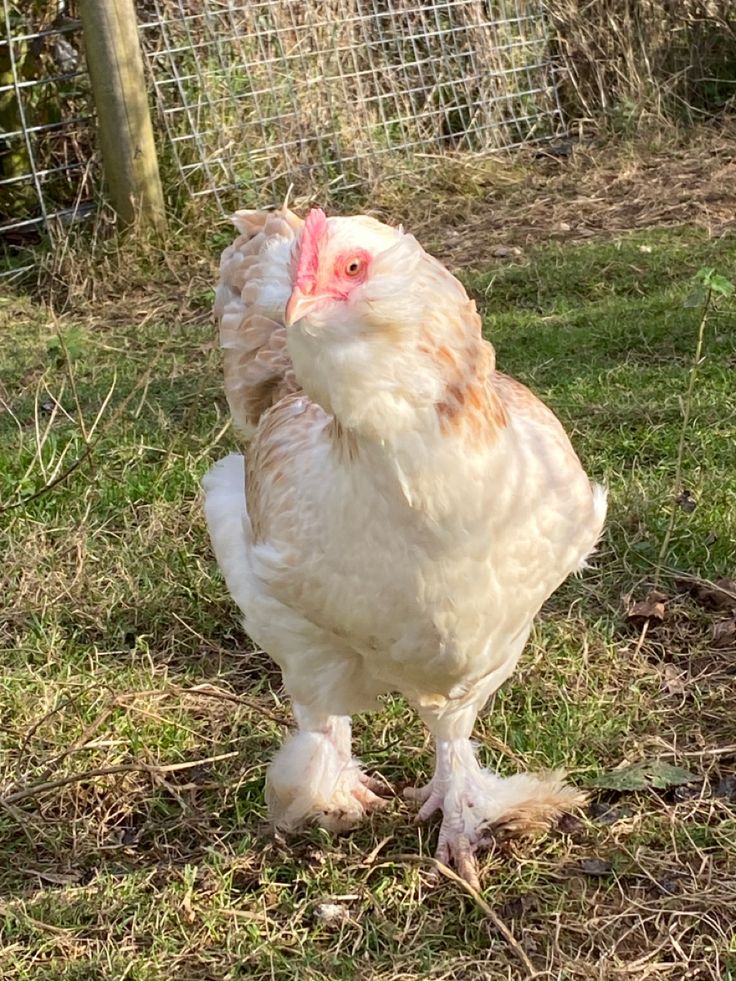
What Broodiness Does to Her Eggs
A broody hen lays nothing, for the whole bout. That single fact explains the Cochin’s egg figures. She gives you 150 to 180 brown eggs a year, the number our breed guide lists, and keepers sometimes call that poor for such a large hen. It is not poor laying. It is good laying interrupted, repeatedly, by two-month stretches of mothering that layer breeds never take.
So judge her by what you bought her for. Counted purely as an egg machine she loses to the laying breeds every time. Counted as a pet who also lays, and a mother on permanent standby, nothing else in the coop does her whole job.
How to Stop a Broody Cochin, Step by Step
When you do not want chicks, break the bout early and kindly. A determined Cochin may shrug off the gentle steps, so work through them in order.
- Collect eggs daily so the nest is always empty, and lift her off and set her out with the flock every time you pass, for the first day or two. Fresh, mild broodiness sometimes ends here, although with a Cochin it often does not.
- Move her to a broody breaker crate. A wire-bottom crate raised on bricks so air flows underneath her, with no bedding at all, food and water inside, set in a bright spot where she can still see the flock. Sitting stops being comfortable, and the instinct switches off.
- Keep her in the crate for 2 to 4 days for most hens. Stubborn Cochins can take up to about a week. Test-release her each morning. If she struts, eats and stays off the nest, she is done. If she runs straight back to the box, she goes back in.
- Afterwards, give her time. Expect roughly 1 to 2 weeks of recovery before she lays again, and do not be surprised when the next bout arrives later in the season.
Two things never belong on this list. Do not dunk a broody hen in cold water, and never withhold food or water to break her. Both are old, cruel shortcuts, and the crate does the job better anyway.
FAQs
Do Cochin hens go broody a lot? Yes, by breed standards a great deal. Several times a year is typical for a healthy laying-age Cochin, most often in the warmer months, and some hens start again within weeks of weaning a brood. The exact count varies by hen, but frequent broodiness is the breed’s defining trait.
How long will a broody Cochin sit? On fertile eggs, about 21 days until they hatch, then roughly 4 to 6 weeks raising the chicks. On an empty nest she may sit for 3 to 4 weeks or longer, which costs her condition, so either give her eggs or chicks, or break the bout promptly.
Are Cochins good mothers? Excellent, among the best. They are calm, patient sitters and devoted mothers, and keepers widely use them as foster mothers for other breeds’ eggs, even duck and turkey eggs. Just choose sturdy eggs, because a heavy standard hen can crack thin shells.
How do I stop a broody Cochin? Start with daily egg collection and repeated lifting off the nest for a day or two. If she persists, a wire-bottom breaker crate raised so air flows underneath, with food and water and no bedding, breaks most hens in 2 to 4 days, stubborn Cochins up to about a week. Expect eggs again roughly 1 to 2 weeks later.
Do bantam Cochins go broody too? Yes. Broodiness is a breed trait, not a size trait, and bantam Cochins are every bit as keen to sit as the big standards. Many keepers prize a bantam Cochin as the perfect small foster mother.
Keep Reading
