
Adding new chickens to a flock goes wrong when strangers are dropped straight into the coop. The flock sees intruders, the newcomers have nowhere to hide, and a fight over food, water and roost space starts within minutes.
This guide gives you the slower method that works, quarantine first, then a week behind wire, then supervised meetings on neutral ground, with extra feeders and hiding spots doing the quiet work of preventing fights. It also tells you plainly which pecking is normal and which pecking means you step in.
Table of Contents
- The Short Answer. Quarantine First, Then Wire, Then Supervised Meetings
- Step One, Quarantine New Birds Properly
- Step Two, See But Don’t Touch
- Step Three, the First Meeting
- Feeders, Water and Hiding Spots, the Setup That Prevents Fights
- Normal Pecking Order Scuffles vs Real Bullying
- Adding One Chicken, the Hardest Version
- How Long Until the Flock Settles
- FAQs
The Short Answer. Quarantine First, Then Wire, Then Supervised Meetings
How to introduce new chickens to a flock without a fight? In three stages, and in this order. Quarantine first, so no illness or parasite rides in with the new birds. Then the see but don’t touch stage, where both sides can see, hear and call to each other through wire without touching. Then supervised meetings on neutral ground, with extra feeders and hiding spots in place. This is the natural follow-on to the question of keeping just one chicken. See Can You Keep Just One Chicken for the single hen question.
Step One, Quarantine New Birds Properly
How long to quarantine new chickens? At least 2 weeks, and ideally 30 days. New birds stay fully separate, out of sight, with no shared feeders or waterers, for the whole quarantine period. Use that time for a real health check, looking for mites and lice, listening for respiratory signs, and watching droppings, before any contact with the home flock. Care for the home flock first and the quarantine birds last, and wash your hands between the two groups. That order protects the birds you already have, and it costs nothing but a habit. See the Care and Health pillar for the wider care guide.
Step Two, See But Don’t Touch
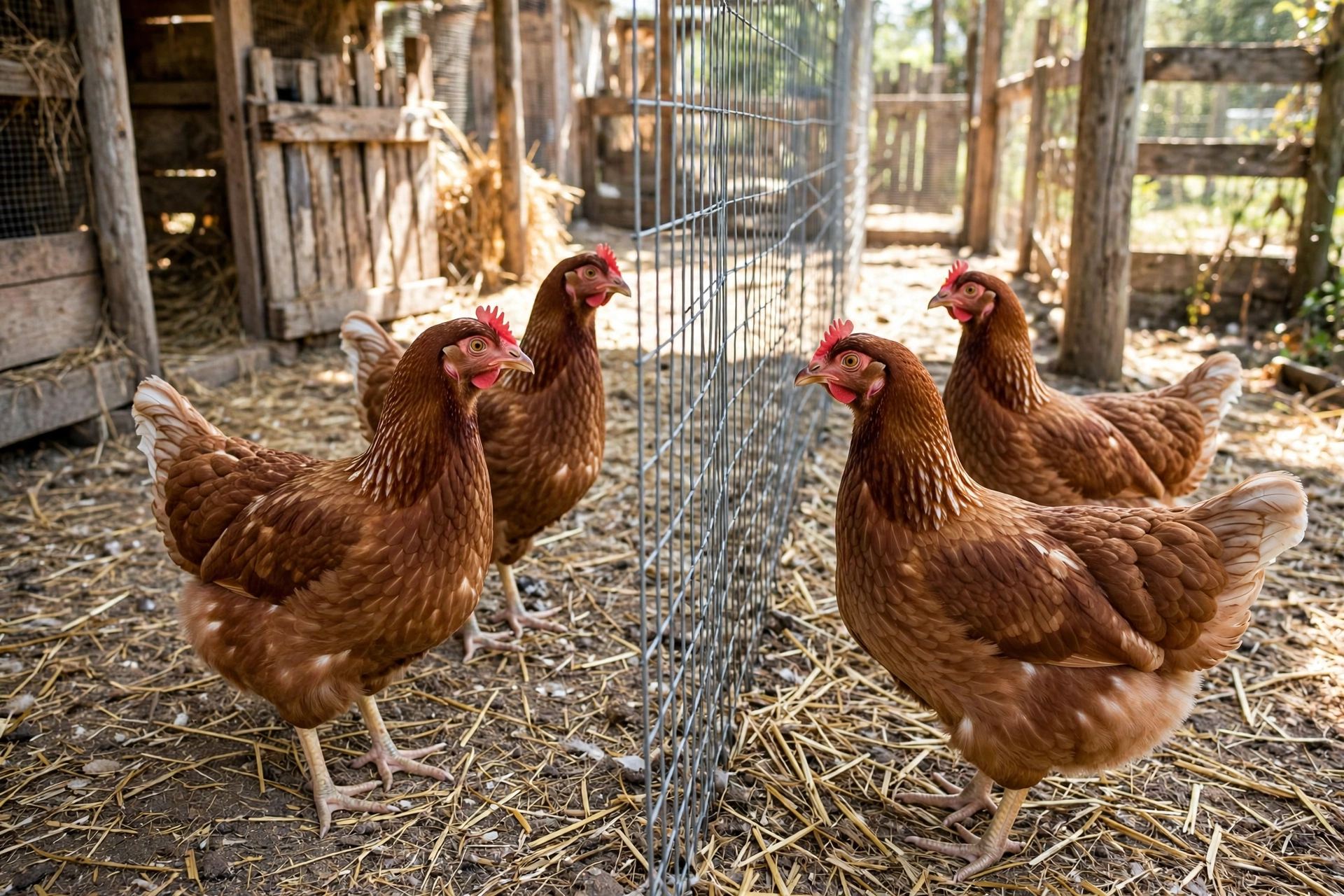
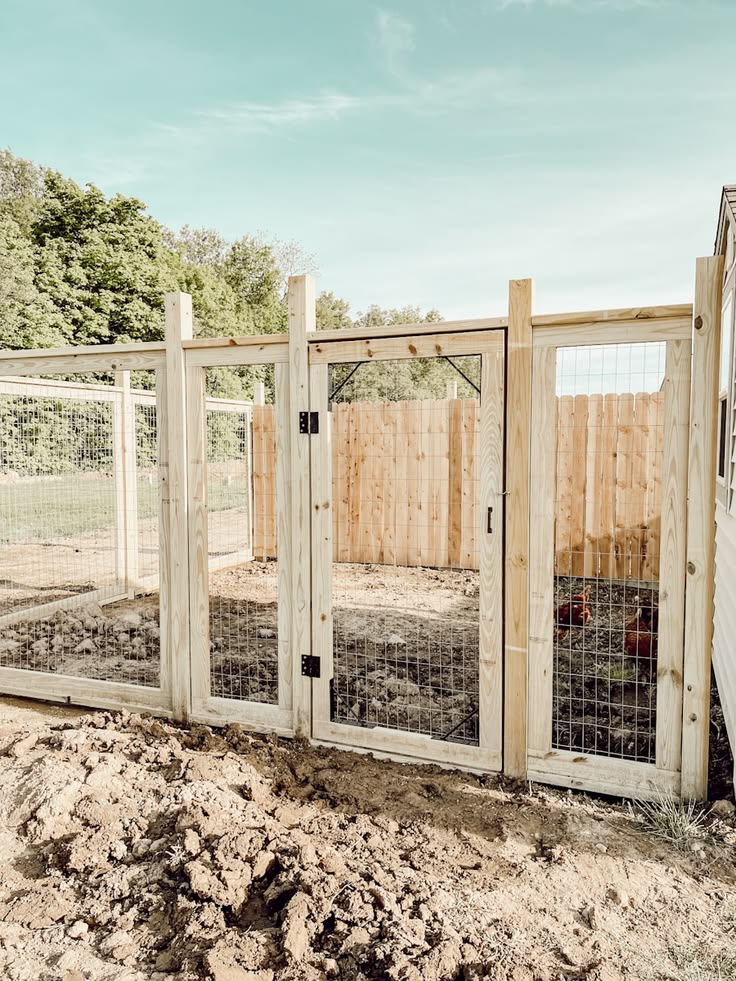
The see but don’t touch method does the real work of an introduction. After quarantine, newcomers live behind wire or a divider inside the coop or run, where both sides can see, hear and call to each other without touching, for about a week. Familiarity through wire is what turns strangers into flock mates. Keep the divider solid and safe, with food and water on both sides, and no gap a beak can reach through to peck a comb. By the end of the week the old flock should be curious rather than furious, and the newcomers should be eating and moving calmly in sight of the flock, not pressed into a corner.
Step Three, the First Meeting
First meetings happen on neutral, spacious ground. Supervised free ranging, or a large run section, late in the day, with nowhere to be cornered, is the safest first meeting. Stay and watch, and end the meeting while it is still calm, putting the newcomers back behind wire for the night. Some keepers place newcomers on the roost after dark so the flock wakes up together. Present that honestly as one accepted method, not as magic, and supervise the morning after, because the flock still has to sort its order in daylight. Repeat short supervised meetings over a few days, lengthening them as the birds settle.

Feeders, Water and Hiding Spots, the Setup That Prevents Fights
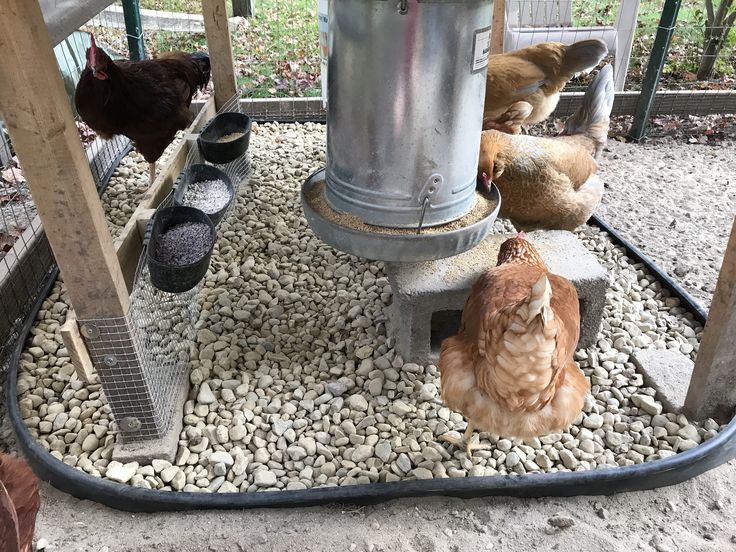
At least two feeding points and two water points, plus hiding spots and visual breaks, spread far apart during the first weeks, is the setup that prevents most fights. Most bullying at this stage is resource guarding, and extra stations fix more of it than any spray or trick, because a dominant hen cannot guard two feeders at once. Add a pallet leaned against a wall, a crate with two exits, or a low branch to duck behind, so a newcomer can break line of sight instead of running a fence line in panic. Keep the extra stations in place for the first weeks, not just the first day, because the pecking order is still settling long after the first meeting looks calm.
Normal Pecking Order Scuffles vs Real Bullying
New chicken bullying and pecking order scuffles are not the same thing, and telling them apart is the keeper’s most important job in these weeks. Chasing, chest bumps, a few pulled feathers and pecking order scuffles in the first days are normal. Step in on blood, a wound, several hens ganging up on one bird, or a newcomer who cannot reach food and water at all. A wounded bird comes out until healed, since hens peck at blood and red wounds, and a bird that cannot eat or drink needs a separate station or a return behind wire, not more time to tough it out. When to separate a new chicken, then, is simple. Separate at the first wound, at the first gang up, or at the first day a newcomer eats nothing, and try again after healing and another wire stage. See the pecking guide for more on why hens peck.
Adding One Chicken, the Hardest Version
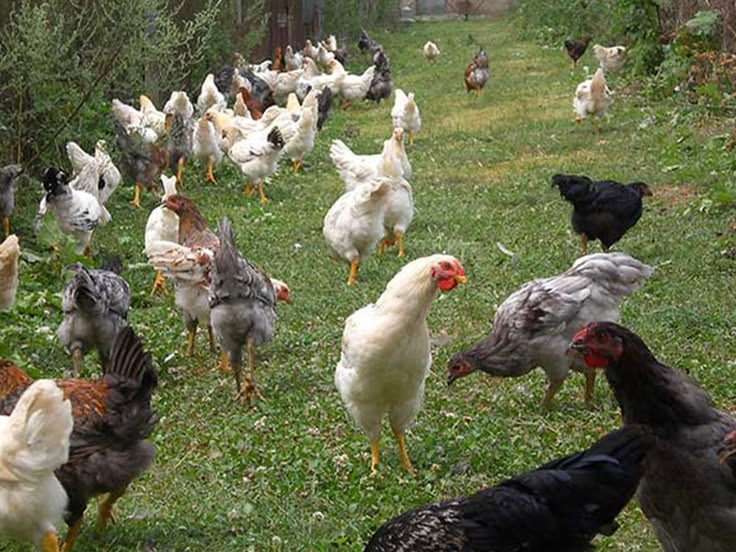
Introducing new hens to an existing flock is easier in a pair than alone. A single newcomer has the hardest time, because every peck lands on the same bird and there is no companion to share the attention. Where only one bird is being added, run the wire stage longer and supervise more, and accept that settling will take longer. Size and age matching matters too. Small young pullets with large adult hens is the hardest mix, so match newcomers as closely as you can in size and age, and give young pullets extra hiding spots and a separate feeder they can reach without crossing the dominant hens. Introducing pullets to older hens works, but it works slowly, and patience is part of the method.
How Long Until the Flock Settles
How long does it take for new chickens to be accepted? Expect about 2 to 3 weeks from first contact to a settled order, with separate sleeping sometimes lasting longer. A new hen hiding by day and slipping in to roost at night is a normal middle stage, not a failure, and so is a newcomer who eats at the second feeder while the old flock uses the first. Signs the introduction is going well are calm eating in sight of each other, shared dust bathing, and a newcomer who moves freely instead of hugging a corner. A new chicken hiding and not eating, on the other hand, is a sign to step back a stage, not to push forward. Return to wire, add another feeder, and try supervised meetings again in a few days. A calm flock is worth the extra week. See the Happy Chicken guide for signs of a content flock.
FAQs
How long should I quarantine new chickens?
At least 2 weeks, and ideally 30 days, fully separate, out of sight, with no shared feeders or waterers. Use the time to check for mites, lice, respiratory signs and droppings, care for the home flock first and the quarantine birds last, and wash your hands between the groups.
What is the see but don’t touch method?
After quarantine, newcomers live behind wire or a divider inside the coop or run for about a week, where both sides can see, hear and call to each other without touching. Familiarity through wire is what turns strangers into flock mates.
Should I introduce new chickens at night?
Placing newcomers on the roost after dark so the flock wakes up together is one accepted method, but it is not magic. Supervise the morning after, because the flock still has to sort its order in daylight, and repeat short supervised meetings over a few days.
How do I tell normal pecking from real bullying?
Chasing, chest bumps, a few pulled feathers and pecking order scuffles in the first days are normal. Blood, a wound, several hens ganging up on one bird, or a newcomer who cannot reach food and water at all are the intervene lines, and a wounded bird comes out until healed.
Is it better to introduce one chicken or a pair?
A pair is easier, because a single newcomer takes every peck alone. If you are adding one bird, run the wire stage longer, supervise more, match size and age as closely as you can, and give the newcomer extra hiding spots and a feeder of her own.
Keep Reading
Can You Keep Just One Chicken?
Why Do Chickens Peck Each Other?
Chicken Care and Health, The Complete Beginner’s Guide to Keeping Hens Healthy

Nusrat
Author, TheChickenPet.com