
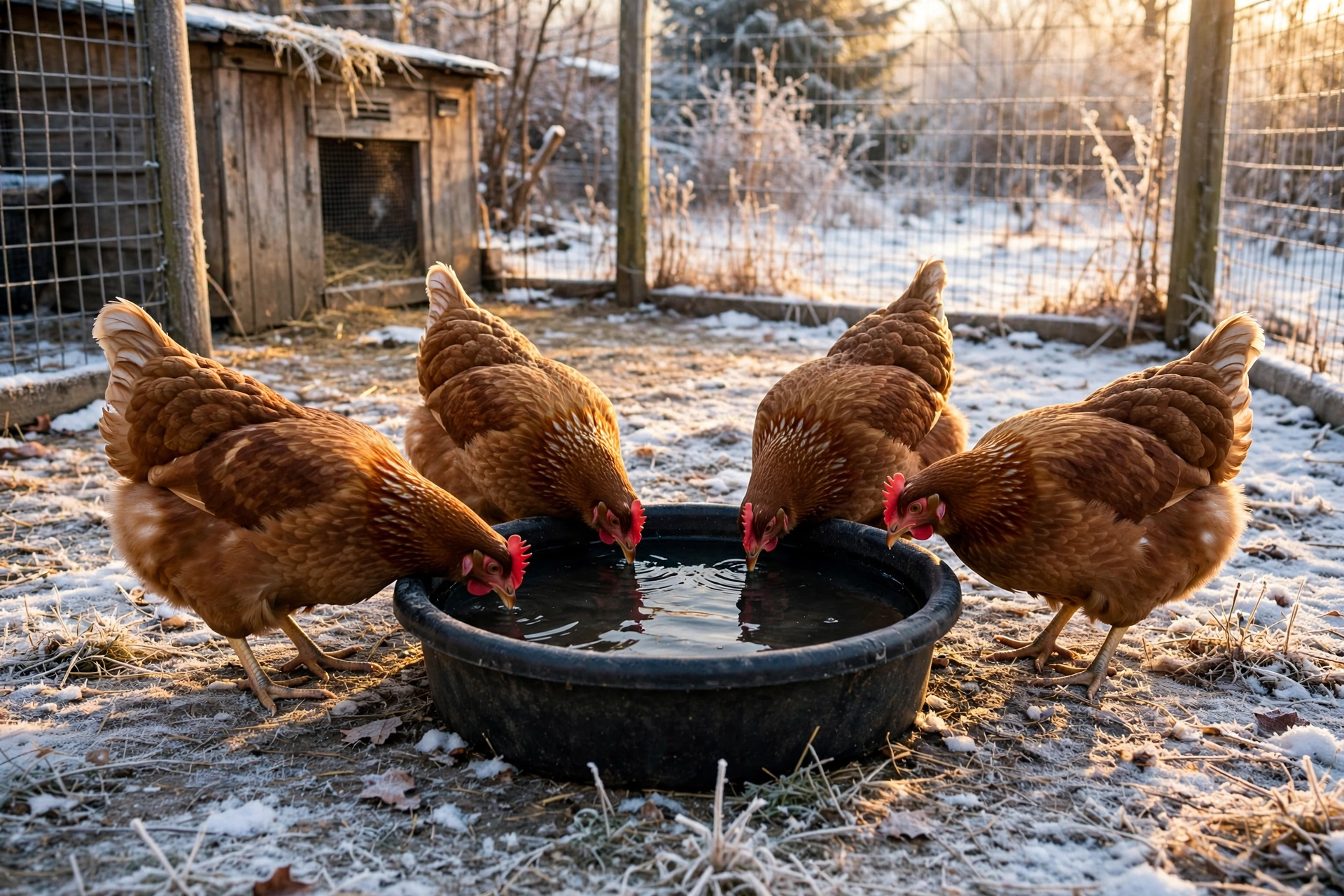
Frozen water is the winter problem most new chicken keepers underestimate. The coop can be dry, the bedding can be deep, and the hens can be perfectly hardy, yet if the waterer is a solid block of ice at dawn, the flock has nothing to drink until someone notices.
How to keep chicken water from freezing comes down to one choice, and then one routine. The choice is whether you have electricity at the coop or not. The routine is fresh liquid water out first thing in the morning, checked again during the day in hard cold, and swapped before night. This guide covers both routes, the heated options used safely, the no electricity rotation that small flocks actually live on, the quick fixes for a frozen morning, and the methods that only half work.
Table of Contents
- The Short Answer. Daily Liquid Water, a Rotation or a Heater, No Tricks Needed
- Why Chickens Still Need Plenty of Water in Winter
- With Electricity. Heated Bases and Heated Waterers
- Without Electricity. The Rotation System That Actually Works
- Quick Fixes on a Frozen Morning
- Methods That Only Half Work
- Where to Put the Waterer in Winter
- How Often to Check, a Simple Winter Day Rhythm
- FAQs
Liquid water every day all winter, fresh out at the first morning check, checked again in hard cold, and ice removed whenever a skin forms. Snow is not a substitute for drinking water.
With electricity, a heated base under a metal waterer or a purpose built heated waterer. Without electricity, two or more waterers rotated, one thawing indoors while one is out, plus wide black rubber pans set in sun where possible.
A hen that cannot drink stops laying and dehydrates faster than owners expect, even in cold weather. Never add salt, antifreeze or any additive to drinking water to stop it freezing.
The Short Answer. Daily Liquid Water, a Rotation or a Heater, No Tricks Needed
How to keep chicken water from freezing? Give the flock liquid water every day, by one of two honest methods. If you have power at the coop, use a heated base or a heated waterer, following the maker’s instructions exactly. If you have no power, run a rotation of two or more waterers, one thawing indoors while one is out, and bring the waterers in at night. No trick replaces either method. A floating ball, a dark coloured pan, or a sheltered corner can buy you a little time in light cold, but none of them keeps water open through a hard freeze. Pick the method that fits your setup, then build the morning habit around it, because in winter the habit matters as much as the hardware.
Why Chickens Still Need Plenty of Water in Winter
How do chickens drink water in winter? The same way they drink it in summer, from liquid water, and they need it just as much. Hens use water for digestion, for temperature regulation, and for making eggs, and a hen that cannot drink stops laying and dehydrates faster than most owners expect, even when the air is cold and the ground is wet with snow. Can chickens eat snow instead of drinking water? No, and this is the winter myth to drop first. Hens eat too little snow to meet their needs, and they spend energy warming what they do eat. Snow on the ground is not a water supply, and a flock left to eat snow will be thirsty, stressed, and laying less within days.
With Electricity. Heated Bases and Heated Waterers
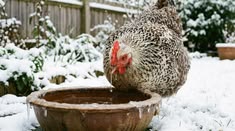
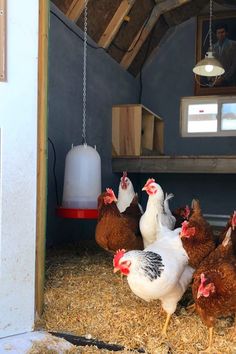
Chicken waterer freezing solutions with electricity come in two standard forms. A heated base sits under a metal waterer and keeps the water just above freezing, and a purpose built heated waterer has the heating element built into the unit itself. Both are made for hard freezes, and for a flock that needs water open all day, either one is the most reliable answer. A heated waterer for chickens still needs safe use. A heated base is used only with the metal waterer type its maker specifies, never under a plastic waterer unless the maker says so, and cords and connections stay outside the coop’s wet and pecking zones, where hens cannot peck them and water cannot pool around them. If the maker’s details for a particular unit cannot be verified, describe the method generically and say to follow the maker’s instructions, because a heater used against its instructions is worse than no heater at all.
Without Electricity. The Rotation System That Actually Works
Keeping water from freezing without electricity is a rotation, not a gadget. Keep two or more waterers, and swap them through the day. One waterer is out with the flock while the spare thaws indoors, and at the next check the thawed one goes out and the frozen one comes in. For most small flocks this is the routine they actually live on all winter, and it works because it never asks one waterer to stay liquid all day on its own. An insulated chicken waterer slows freezing, and a wide black rubber pan helps in two ways. The dark colour picks up what sun there is, and the flexible rubber lets you knock ice out with a twist instead of fighting a rigid plastic waterer that cracks when you hit it. Set the pan in sun where possible, partly shelter it from wind, and bring the waterers in at night, putting fresh water out first thing in the morning. Insulation and sun buy hours, and the rotation covers the rest.
Quick Fixes on a Frozen Morning
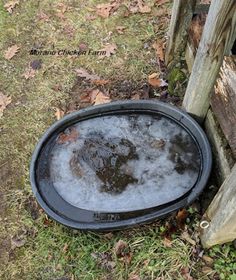
Frozen waterer quick fixes start with the spare. Swap in the thawed spare waterer first, because it is the fastest fix and the flock drinks straight away. If there is no spare ready, pour warm, not boiling, water over or into the frozen waterer to melt the ice, then refill with fresh water at drinking temperature. Boiling water can crack a cold waterer and can scald a curious hen, so warm is the word to remember. What never goes into the water is just as important. Never use salt, antifreeze or any additive to lower the freezing point, and never put additives of any kind in drinking water for this purpose. Salt in drinking water harms hens, antifreeze is poisonous, and both turn a frozen water problem into a sick flock problem. Warm water and a spare swap are the whole quick fix list, and they are enough.
Methods That Only Half Work
The ping pong ball in chicken waterer idea needs an honest verdict. A floating ball can delay a thin skin of ice on a small still surface in light cold, because it moves with any air movement and breaks the surface as it bobs. It does not keep water open in a hard freeze, and it does nothing at all once ice has formed around it. Present it as a mild weather helper at most, not a solution, and never as the plan for a cold snap. The same honesty applies to the other half measures. A dark pan in sun helps in daylight and does nothing at night. Insulation slows freezing and does not stop it. A sheltered corner cuts wind chill and still freezes solid in a hard frost. Each of these is worth doing as part of a rotation, and none of them replaces a heater or a spare waterer. If a method sounds like it beats physics for free, it is a helper, not a fix.
Where to Put the Waterer in Winter
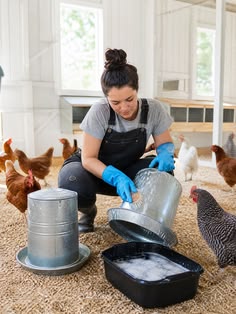
Where a waterer sits decides how fast it freezes. Keep waterers out of the wind chill corner of the run where practical, and set them in sun where possible, because still sunny air freezes a pan far more slowly than wind across an exposed corner. Set the waterer off bare frozen ground on a block or stand, so cold does not conduct straight up into the water from below, and keep it where hens can reach it without crossing ice to get there. Keep the winter waterer close to the coop door and on the route you already walk each morning, because a waterer you pass without thinking gets checked, and one tucked at the far end of a snowy run gets forgotten on the worst mornings.
How Often to Check, a Simple Winter Day Rhythm
How often to check chicken water in winter? Fresh unfrozen water out at the first morning check, checked again during the day in hard cold, and topped up in the evening before the waterers come in for the night. That is the whole rhythm, and it fits a small flock without turning winter into a chore. In light cold, a morning check and an evening check may be enough. In a hard freeze, add a midday check, and remove ice whenever a skin forms, because a thin skin left alone becomes a solid block by evening. How long can chickens go without water in winter? Far less long than owners hope, and the honest answer is that a flock should never be left to find out. A hen without water for a day is already stressed and off her laying, and a flock frozen out for a weekend is in real trouble. If you will be away, arrange a checker who knows the rotation, or use a heated waterer, because winter water is not a job that keeps until Monday.
FAQs
How do chickens drink water in winter?
From liquid water, just as in summer, and they need it every day. Snow is not a substitute, because hens eat too little snow to meet their needs and spend energy warming it. A hen that cannot drink stops laying and dehydrates faster than owners expect, even in cold weather.
What is the best heated waterer for chickens?
There is no single best unit for every flock, but the two reliable forms are a heated base under a metal waterer and a purpose built heated waterer. Use a heated base only with the metal waterer type its maker specifies, keep cords and connections outside wet and pecking zones, and follow the maker’s instructions for the unit you buy.
How can I keep chicken water from freezing without electricity?
Run a rotation of two or more waterers, one thawing indoors while one is out, use wide black rubber pans that are easy to knock ice out of, set them in sun where possible, insulate or partly bury a waterer to slow freezing, and bring waterers in at night with fresh water out first thing in the morning.
Does a ping pong ball stop chicken water freezing?
Only in light cold, and only a little. A floating ball can delay a thin skin of ice on a small still surface because it moves with air movement, but it does not keep water open in a hard freeze. Treat it as a mild weather helper at most, not a solution.
What should I do if my chicken waterer is already frozen solid?
Swap in a thawed spare first, so the flock drinks straight away. If there is no spare ready, pour warm, not boiling, water over or into the frozen waterer, then refill with fresh water. Never add salt, antifreeze or any additive to drinking water to stop it freezing.
Keep Reading
Free Pet Chicken Starter Checklist
Are Wyandottes Cold Hardy? Winter Care for Rose-Comb Hens
Chicken Care and Health, The Complete Beginner’s Guide to Keeping Hens Healthy

Nusrat
Author, TheChickenPet.com