

An egg bound hen is an emergency, and if you are reading this with a hen straining in the nest, start with the short answer below, then work through the signs and first aid steps calmly. Egg binding means an egg is stuck in the oviduct that the hen cannot pass, so laying stops and the hen strains. It is not a waiting game, and it is not a problem to solve by force at home. This guide stays calm and practical, because readers arrive frightened, and it gives you clear home steps, clear limits, and a clear point where a vet must take over.
The signs usually appear in a recognisable order, repeated straining without an egg, a waddling walk, a swollen abdomen, and a hen that goes quiet and fluffed up. The causes are common, young pullets laying first large eggs, older hens, calcium shortage, obesity, lack of exercise, stress, and a large or misshapen egg, and no single cause can be assumed in any one hen. Prevention, covered at the end, shares the same calcium story as soft shells, which is why that guide is linked here.
Table of Contents
- 1 The Short Answer. An Emergency, and a Vet Visit if It Does Not Pass Quickly
- 2 What Egg Binding Means
- 3 Egg Bound Hen Symptoms. What to Look For
- 4 Egg Binding vs Normal Laying Behaviour
- 5 Why Hens Become Egg Bound
- 6 First Aid at Home. Warmth, Quiet, Water and a Warm Bath
- 7 What Never to Do at Home
- 8 How Long Can a Hen Be Egg Bound
- 9 Vet Treatment and Recovery
- 10 How to Prevent Egg Binding
- 11 FAQs
Quick Facts
At a Glance
- Egg binding is an egg stuck in the oviduct that the hen cannot pass.
- Signs include repeated straining without an egg, a waddling walk, a swollen or hard abdomen, tail pumping, sitting fluffed up and quiet, loss of appetite, and a swollen vent or discharge.
- A hen that cannot pass an egg is in danger within a day, and a hen that is straining, lethargic or not eating needs a vet the same day.
Egg Laying
- This article gives no egg laying figures, and none are invented here.
- Its only laying related point is that laying stops when an egg is stuck, and a hen that visits the nest, strains briefly and lays, then returns to the flock, is showing normal laying behaviour, not egg binding.
Good to Know
- Never break the egg inside the hen, pull the egg out, or insert instruments at home, because those steps belong to a vet and breaking an egg inside can cause infection and injury.
- No drug names or doses are given in this article.
- Prevention rests on layer feed, free choice oyster shell, weight control, exercise and foraging space, and a calm laying environment.
The Short Answer. An Emergency, and a Vet Visit if It Does Not Pass Quickly
The short answer is that an egg bound hen needs warm, quiet first aid at once, and a vet the same day if the egg does not pass quickly. Keep the hen warm, quiet and alone, offer water and layer feed with free choice oyster shell nearby, and try a warm bath or a warm damp cloth on the vent area to relax the muscles, with gentle handling only. If a warm bath and quiet rest do not bring the egg within a few hours, or if the hen worsens at any point, the vet step is next, not after a weekend of home tries.
Do not wait to see if she improves on her own, and do not try to force the egg out. A hen that is straining, lethargic or not eating is already telling you she needs professional help, and a hen that cannot pass an egg is in danger within a day. The rest of this guide explains the signs in order, the safe home steps in full, and what a vet can do that you cannot do safely at home.
What Egg Binding Means
Egg binding means an egg is stuck in the oviduct, the tube that carries the egg from the ovary to the vent, and the hen cannot pass it. Laying stops, the hen strains, and the stuck egg presses on the organs around it, which is why the hen looks uncomfortable and then unwell. It is different from a hen that is simply late laying, because a bound hen is actively trying and failing to lay, and her condition worsens rather than settling.
Egg binding is an emergency, not a waiting game, because a stuck egg can block the vent, press on nerves and blood vessels, and lead to infection if it stays too long. That is why the timing in this guide is plain, home first aid for a few hours at most, then a vet the same day if the egg has not passed or the hen is worsening. Calm, quick action gives the hen the best chance, and panic or force makes things worse.
Egg Bound Hen Symptoms. What to Look For
Egg bound hen symptoms usually appear in the order an owner notices them. First, repeated straining in the nest without an egg, with the hen visiting the nest again and again and pushing without result. Then a waddling or penguin like walk, because the stuck egg changes how she moves, and a swollen or hard abdomen that you can feel when you pick her up gently. Tail pumping, where the tail bobs up and down as she strains, often goes with these signs.
As the problem goes on, the hen sits fluffed up and quiet, loses her appetite, and may have a vent that looks swollen or has discharge. Those later signs mean she is already unwell, not just uncomfortable, and they move the vet step forward to now, not later. Not every bound hen shows every sign, and a hen that shows even two or three of them, especially straining without an egg plus a swollen abdomen, should be treated as egg bound until a vet says otherwise.
| Sign | What it looks like | What to do |
|---|---|---|
| Repeated straining without an egg | Hen visits the nest again and again, pushes, no egg appears | Warm quiet rest, offer water, watch closely |
| Waddling walk and swollen abdomen | Penguin like walk, abdomen feels swollen or hard | First aid plus call a vet |
| Tail pumping | Tail bobs up and down as she strains | Warm quiet rest, watch closely, vet call if it continues |
| Sitting fluffed up and quiet | Hen apart from the flock, feathers fluffed, not moving much | Vet the same day |
| Loss of appetite | Hen not eating or drinking normally | Vet the same day |
| Swollen vent or discharge | Vent looks swollen, discharge present | Vet the same day, handle gently only |
Egg Binding vs Normal Laying Behaviour
Egg binding vs normal laying behaviour is the contrast that stops many owners worrying unnecessarily, and it is worth getting clear. A hen laying normally visits the nest, strains briefly and lays, then returns to the flock, bright and interested in food and company. She may visit the nest for a while before laying, and she may look a little restless, but the sequence ends with an egg and a hen that looks like herself again.
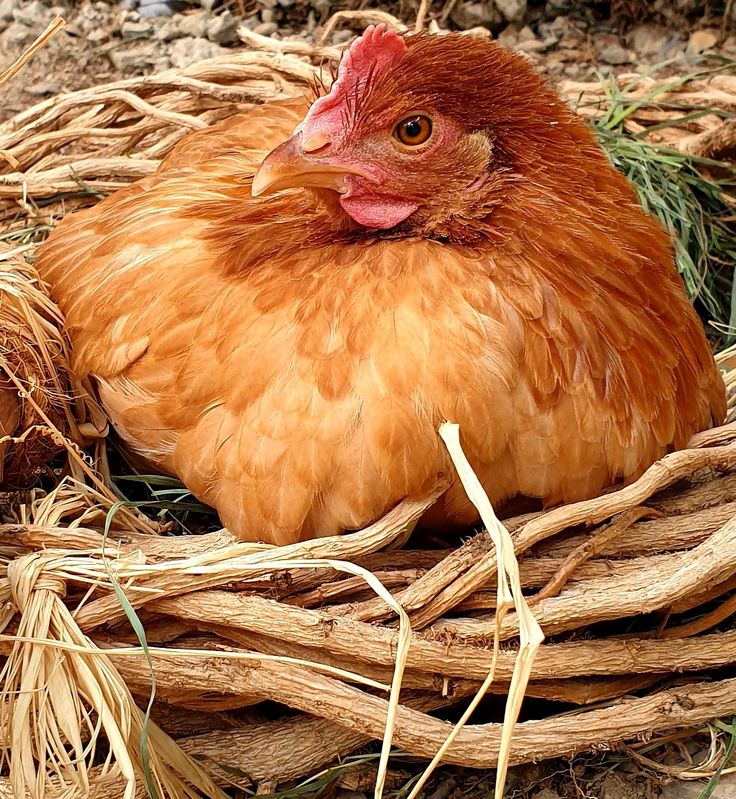
A bound hen breaks that sequence. She strains again and again without an egg, she does not return to the flock looking bright, and she starts to show the other signs, waddling, a swollen abdomen, tail pumping, and then quiet fluffed up sitting. Normal laying ends with an egg. Egg binding ends with no egg and a hen that looks worse, not better, as time passes. If you are unsure, treat it as binding and watch closely, because watching a normal layer costs nothing, while missing a bound hen costs time she does not have.
Why Hens Become Egg Bound
What causes egg binding in chickens is usually a mix of factors, not one single cause, and no single cause can be assumed in any one hen. Young pullets laying first large eggs are at risk, because their oviducts are still maturing and a first large egg can stick. Older hens are also at risk, as laying muscles weaken with age. Calcium shortage or poor shell formation plays a part too, because a thin or soft shell does not pass as cleanly as a firm one, and that is the link to the soft shell eggs guide on this site.
Obesity, lack of exercise, stress, and a large or misshapen egg complete the common list. A hen that is overweight and does not move much has weaker laying muscles, a stressed hen may hold an egg longer, and a large or misshapen egg is simply harder to pass. Knowing the causes helps with prevention at the end of this guide, but it does not change the emergency steps now. Whatever caused it, a bound hen needs the same warm quiet first aid and the same vet timing.
First Aid at Home. Warmth, Quiet, Water and a Warm Bath
How to help an egg bound hen at home starts with warmth, quiet and separation. Move the hen to a warm, quiet, dim place on her own, with clean dry bedding, fresh water, and layer feed with free choice oyster shell nearby. Keep her warm, because a cold hen strains harder, and keep her alone, because flock mates will peck at a struggling hen and add stress. Handle her gently, as little as possible, and wash your hands before and after handling her.
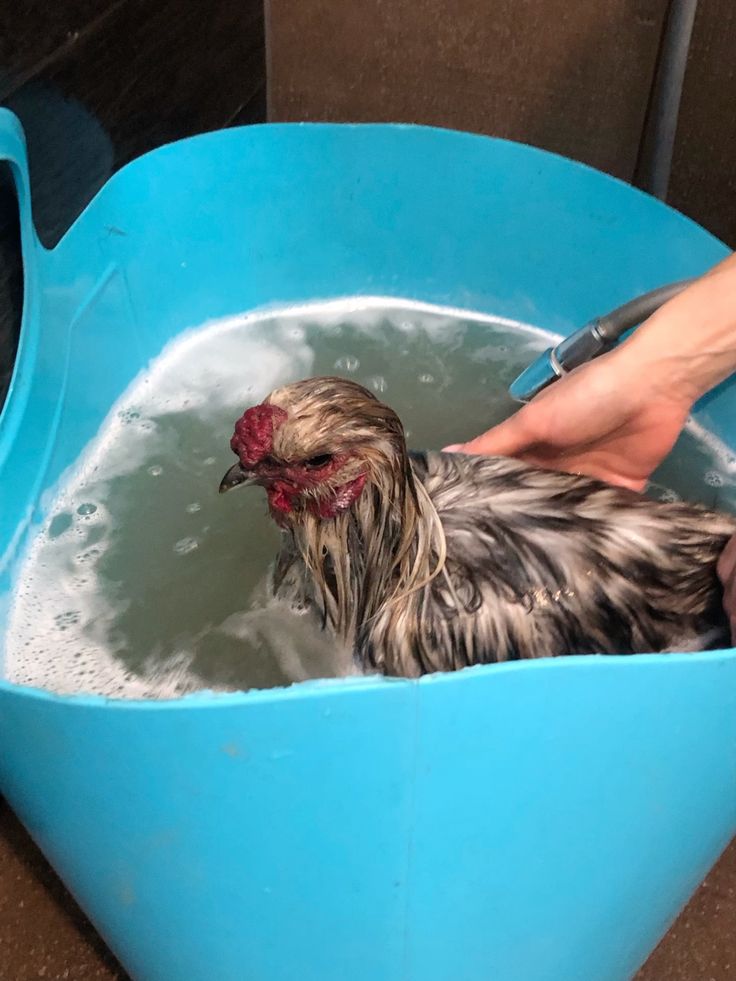
A warm bath or a warm damp cloth on the vent area can help relax the muscles, and it is the main home step beyond warmth and quiet. Use warm water, not hot, support the hen calmly in the bath for a short while, and dry her gently afterwards so she does not get cold. Lubrication of the vent may be mentioned as a keeper step only with a plain warning, be gentle, use only a small amount of a plain lubricant, and stop at once if the hen is distressed. If the egg does not pass within a few hours of warm quiet rest, or if the hen worsens at any point, the vet step is next.
What Never to Do at Home
What never to do at home is just as important as what to do, because force is where home tries go wrong. Do NOT break the egg inside the hen, because broken shell inside can cut the oviduct and cause infection and injury. Do NOT pull the egg out, because pulling can tear the oviduct and damage the vent. Do NOT insert instruments, fingers or tools to reach the egg, because that risks injury and infection and belongs to a vet with proper equipment and pain relief.
Do NOT dose medicines at home from this article, because no drug names or doses are given here, and do NOT wait for days hoping the egg will pass on its own. A hen that is straining, lethargic or not eating needs a vet the same day, and a hen that worsens at any point needs a vet sooner, not later. If you are tempted to force the egg, stop, keep the hen warm and quiet, and call a vet instead. That restraint is part of first aid, not a failure of it.
How Long Can a Hen Be Egg Bound
How long can a hen be egg bound? A hen that cannot pass an egg is in danger within a day, and that is the plain timing to work to. A warm bath and quiet rest may bring the egg within a few hours, and that is the window home first aid is meant for. If the egg has not passed within a few hours, or if the hen is straining, lethargic or not eating, the vet step is next, the same day, not after a weekend of home tries.
Can an egg bound hen pass the egg alone? Sometimes, with warmth and quiet, a hen does pass the egg on her own within a few hours, and that is the best outcome of home first aid. But a hen that cannot pass it alone will not improve by waiting longer, she will worsen, and the longer the egg stays stuck, the higher the risk of infection and damage. Time is the test. A few hours of warm quiet rest, then a vet if the egg has not passed or the hen is worsening.
Vet Treatment and Recovery
A vet can confirm the stuck egg, give calcium or fluids where needed, and remove the egg safely, and will treat any infection afterwards. That is the work you cannot do safely at home, and it is why the vet step matters. The vet can feel the egg, check the vent and abdomen properly, and decide whether the egg can be helped out gently with proper pain relief and equipment, or whether a different treatment is needed. No drug doses are given in this article, because treatment depends on the hen, and a vet will judge it for your bird.
Recovery after egg binding needs the same calm care as first aid. Keep the hen warm and quiet, offer water and layer feed with free choice oyster shell, and watch her droppings, appetite and laying over the next few days. A hen that has been bound once is worth watching in future laying, and the prevention section below is where that watching turns into routine. If she stops laying again, strains again, or looks unwell again, call a vet sooner, not later, because you now know the signs.
How to Prevent Egg Binding
Egg bound hen prevention rests on the same routine that supports strong shells and steady laying. Layer feed as the base, with free choice oyster shell always available, gives hens the calcium they need for firm shells that pass cleanly. That calcium story is shared with soft shells, so the soft shell eggs guide is worth reading alongside this one, and the wider not laying checklist covers other laying problems that can look similar at first.
Weight control, exercise and foraging space, and a calm laying environment complete the routine. A hen that moves, forages and keeps a healthy weight has stronger laying muscles, and a hen that can lay in a quiet, dim, clean nest box without stress is less likely to hold an egg. Keep nest boxes clean and dry, keep water and feed fresh, and watch young pullets and older hens a little more closely at laying time, because those are the hens most at risk.
FAQs
What are egg bound chicken symptoms?
Repeated straining in the nest without an egg, a waddling or penguin like walk, a swollen or hard abdomen, tail pumping, sitting fluffed up and quiet, loss of appetite, and a vent that looks swollen or has discharge. Not every bound hen shows every sign, and even two or three together, especially straining without an egg plus a swollen abdomen, should be treated as egg binding until a vet says otherwise.
How to help an egg bound hen at home?
Keep her warm, quiet and alone, with clean dry bedding, fresh water, and layer feed with free choice oyster shell nearby. Try a warm bath or a warm damp cloth on the vent area to relax the muscles, with gentle handling only. If the egg does not pass within a few hours, or if she worsens at any point, call a vet the same day.
How long can a hen be egg bound?
A hen that cannot pass an egg is in danger within a day. Home first aid is for a few hours of warm quiet rest. If the egg has not passed within a few hours, or if she is straining, lethargic or not eating, a vet must take over the same day, not after a weekend of home tries.
What causes egg binding in chickens?
Young pullets laying first large eggs, older hens, calcium shortage or poor shell formation, obesity, lack of exercise, stress, and a large or misshapen egg are the common causes. No single cause can be assumed in any one hen, and prevention rests on layer feed, free choice oyster shell, weight control, exercise and a calm laying environment.
What should never be done for an egg bound hen at home?
Never break the egg inside the hen, never pull the egg out, and never insert instruments, because those steps can tear the oviduct and cause infection and injury. Those steps belong to a vet. Do not dose medicines at home from this article, because no drug names or doses are given here.
If you find a rubbery, misshapen mass instead of a normal egg, see Lash Eggs in Chickens. What They Are, Why They Happen and What To Do.

WRITTEN BY
Nusrat
Author, TheChickenPet.com