

If one of your hens keeps clearing the fence, clipping her wings can keep her safe in the run. The safe version of the job is small and specific. Clip one wing only, trim only the 10 long primary feathers on that wing, and cut only mature feathers, never a blood feather. Done that way, the trim is quick, the bird goes straight back to scratching, and she stays grounded until her next moult. This guide covers the whole job, what you need, how to spot a blood feather, the step by step trim, how often to repeat it, and the cases where the right answer is to leave the wings alone.
Table of Contents
- Clip one wing only.
- Trim only the 10 long primary feathers.
- Never cut a blood feather.
- Repeat roughly once a year, after the annual moult.
- Cut mature primaries back by about half, to about the level of the shorter covert feathers.
- Stay well away from the feather base.
- Do not cut secondaries.
- A proper clip on mature feathers does not hurt.
- Do not clip during an active moult.
- Never use clipping as a substitute for a secure run.
The Short Answer. One Wing Only, Mature Feathers Only
Clip one wing only, and trim only mature feathers on that wing. That is the whole rule in one sentence, and everything else in this guide is detail around it.
The one wing rule works because of balance. A hen with one clipped wing is unbalanced in the air, so she cannot get the lift she needs to clear a fence. A hen with both wings clipped evenly stays balanced, and a determined flyer can compensate and still get airborne. So clipping both wings is not the safer option. It is the weaker one.
The mature feather rule is the safety line. A mature primary feather has a clear or whitish hollow shaft with no vein and no blood. The part you cut is dry, with no nerve and no blood, like the free end of a fingernail. A blood feather is a young, still growing feather with a dark, blood filled shaft and a live blood supply. Never cut one. Check every primary before you cut it, and if you are unsure whether a feather is mature, do not cut it.
What Wing Clipping Actually Does
Clipping does not remove a wing, and it does not change the bird. It shortens the 10 long primary flight feathers at the outer end of one wing, back by about half, to about the level of the shorter covert feathers layered over their base. With those feathers short, the wing cannot catch enough air for real lift. A clipped hen can still flutter, still hop, and still reach a low roost. She cannot fly over a fence. That is the point.
Clipping is a way to keep a bird inside a run that is otherwise sound, not a way to keep a bird in a run that is not secure. The effect is temporary. Trimmed feathers stay short until the hen’s annual moult, when she sheds them and grows full length replacements. So plan on repeating the trim roughly once a year, and re-check after each moult. The feathers do grow back, and that is normal.
Clipping is also not a punishment, and it is not a fix for a bored or stressed hen. If a hen keeps escaping, the first question is always the fence and the run. Fix the fence or cover the run first, and treat clipping as the last step, not the first.
What You Need Before You Start
The kit is small. Sharp poultry shears or clean sharp scissors, a towel, a helper if you can get one, and styptic powder or plain cornstarch kept within reach before the first cut. Do not start without the styptic powder or cornstarch on the table. You will probably not need it, but a blood feather nick bleeds fast, and you do not want to be searching for it then.
Pick a calm moment. Do it in the evening when birds are calm and easy to gather off the roost, or in daylight when everyone is calm. A second person helps a lot, one to hold and one to cut, but one calm person can do it alone with the bird wrapped in a towel.
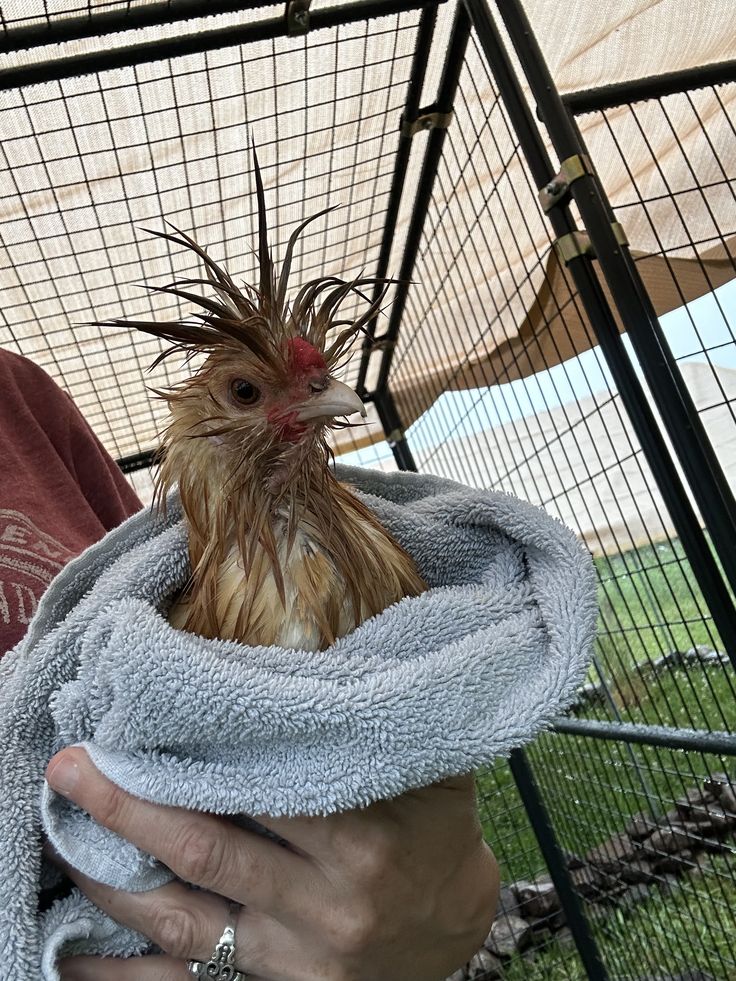
Hold her firmly with both wings folded close against her sides, tucked under an arm like a football or wrapped lightly in a towel with just one wing free. Support her without squeezing her chest, because birds need chest movement to breathe. Keep her calm and supported throughout, and do not rush. A bird held by her wings is a bird that can be hurt, so never lift or hold her by the wings themselves.
How to Spot a Blood Feather and Why You Never Cut One
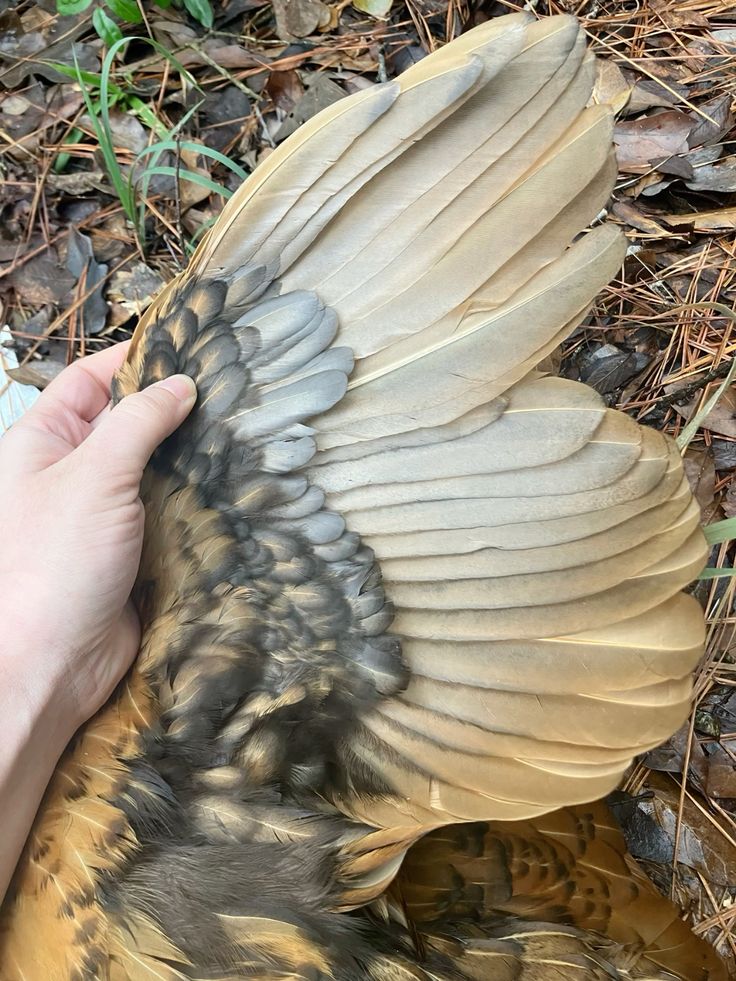
This is the section to read twice. A blood feather is a young feather that is still growing. Its shaft is dark through its length, because it carries a live blood supply, and the feather itself is usually shorter than its mature neighbours and still growing. A mature feather has a clear or whitish hollow shaft with no vein.
Before every cut, spread the wing gently and look at each primary in turn. Skip any feather that is dark through the shaft, shorter than its mature neighbours, or still growing, and come back once it has matured. Do not clip during an active moult, when blood feathers are common. If you are unsure whether a feather is mature, do not cut it.
Cutting a blood feather does hurt and does bleed, because you are cutting through living tissue with a blood supply. That is the one real injury risk in this job, and it is entirely avoidable by checking first. Never cut a feather you have not looked at.
| Feather | How to tell | What to do |
|---|---|---|
| Mature primary feather | Clear or whitish hollow shaft, full length | Trim back by about half |
| Blood feather | Dark shaft, still growing, shorter than neighbours | Never cut, come back later |
| Both wings clipped | Bird stays balanced | Still able to fly, so do not clip both |
| One wing clipped | Bird is unbalanced in the air | Grounded, which is the goal |
How to Clip Chicken Wings Step by Step
Work slowly, one feather at a time, and check each feather before you cut it. First, gather your kit and pick a calm moment, in the evening off the roost or in daylight when everyone is calm. Second, hold the hen firmly with both wings folded close against her sides, tucked under an arm like a football or wrapped lightly in a towel with just one wing free. Do not squeeze her chest. Third, spread the one wing you are working on and find the 10 long primary flight feathers at the outer end. These are the longest feathers, and they sit past the shorter feathers layered over their base. Fourth, look at each primary in turn and skip any blood feather, any feather that is dark through the shaft, shorter than its mature neighbours, or still growing. Fifth, with sharp poultry shears or clean sharp scissors, trim each mature primary back by about half, to about the level of the shorter covert feathers layered over their base. Stay well away from the feather base. Do not cut secondaries or the shorter feathers. Sixth, fold the wing back, set her down gently, and watch her for a few minutes. Expect her to go straight back to scratching. Seventh, check that she can still reach her roost safely, using the right roost heights. A clipped bird still needs a safe way down, and a roost that is too high or too hard to reach becomes a problem once she cannot fly up to it.
One Wing or Both Wings
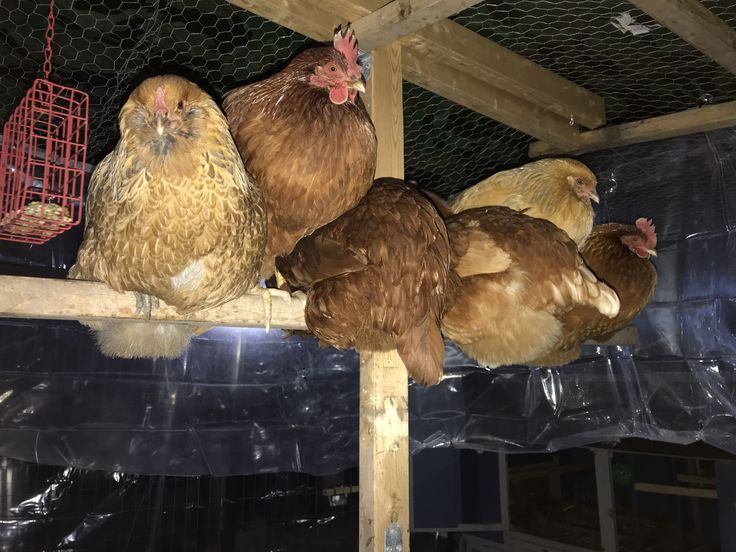
Clip one wing or both wings is the question every keeper asks, and the answer is one wing for most hens. The imbalance is what keeps the bird from flying. Clipping both wings evenly keeps the bird balanced, so a determined flyer can compensate and still get airborne. This is the point where the advice online disagrees. Some vet pages say both wings, most keeper blogs say one wing. The 2026 check behind this guide resolves it in favour of one wing, with extension guidance behind it, because the goal is to ground the bird, and balance is what lets her fly.
There is one case where the question changes. If a hen is still clearing the fence after a one wing clip, do not clip the second wing to even her out. Check the fence first, because a bird that clears a fence with one clipped wing is telling you the fence is too low or the run needs a cover. Clipping is not a substitute for a secure run.
Does Clipping Hurt and How Often to Repeat It
Does clipping chicken wings hurt. A proper clip on mature feathers does not hurt, because the part cut is dry and hollow with no nerve and no blood, like the free end of a fingernail. The bird feels the tug and the handling, not pain from the cut itself. Say that plainly, and do not claim clipping is painless in every case, because cutting a blood feather does hurt and does bleed.
How often to clip chicken wings. Clipping is temporary, so plan on repeating it roughly once a year, after the annual moult, when the hen sheds the trimmed feathers and grows full length replacements. Re-check after each moult, and do not clip during an active moult, when blood feathers are common.
Do clipped wings grow back. Yes. The trimmed feathers are shed at the moult and replaced by full length feathers, which is why the trim needs repeating. That regrowth is normal and expected, not a sign the first clip failed.
When to Leave the Wings Alone
Do not clip very young birds whose primaries are still developing. Their feathers are mostly blood feathers, and there is nothing safe to cut.
Do not clip heavy breeds that barely fly, because they gain little and still need what lift they have to get onto a roost and away from trouble on the ground.
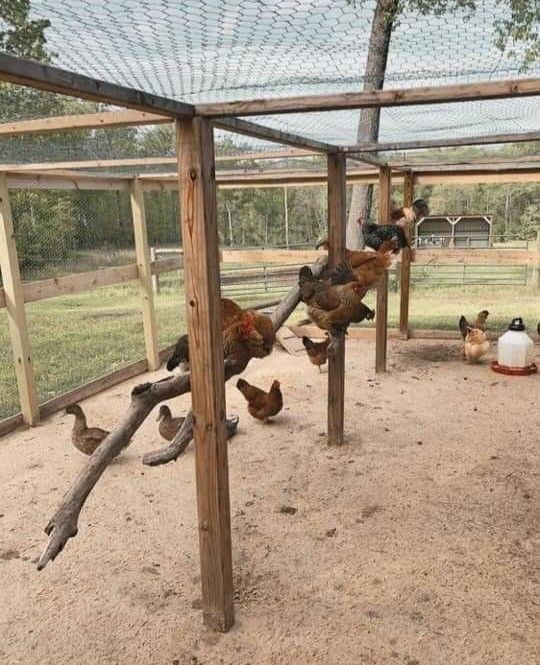
Do not clip free range birds that need flight to escape predators. A free range hen’s flight is her escape route, and taking it away leaves her with no way out when a dog or hawk comes. For a free range flock, the answer is a secure run or a covered area, not a clip. And never present clipping as a substitute for a secure run. If a hen keeps escaping, fix the fence or cover the run first.
A calm, well handled hen is also easier to work with, and our taming guide covers the calm handling that makes any job like this easier.
What to Do if a Blood Feather Bleeds
If a blood feather is nicked, stay calm and act at once. Apply styptic powder or plain cornstarch with firm pressure for 60 to 90 seconds. In most cases the bleeding stops. Keep the bird calm and still while you hold pressure, and do not keep checking every few seconds.
Call a vet if bleeding does not stop, or if the shaft breaks near the base. A broken blood feather close to the base can bleed heavily, and that is a vet job, not a home job. Do not pull the feather out yourself unless a vet has told you to, and do not apply anything other than styptic powder or plain cornstarch.
Afterwards, leave that wing alone until the feather has matured and the area has healed, and check the rest of the wing again before any future trim. One nick does not mean the next trim is unsafe. It means the check before cutting matters, which is why this guide puts it first.
FAQs
How to clip chicken wings step by step.
Hold the hen calmly with one wing free, spread that wing, check every primary for blood feathers, and trim only mature primaries back by about half, to about the level of the shorter covert feathers. Stay well away from the feather base, do not cut secondaries, then set her down gently and check she can still reach her roost.
Clip one wing or both wings.
One wing for most hens. The imbalance is what grounds her. Clipping both wings evenly keeps her balanced, so a determined flyer can still get airborne.
What age to clip chicken wings.
Wait until the primaries are fully grown and mature. Do not clip very young birds whose primaries are still developing, because those feathers are mostly blood feathers and there is nothing safe to cut.
Chicken wing clipping blood feather.
A blood feather is a young, still growing feather with a dark, blood filled shaft. Never cut one. Skip it and come back once it has matured. If one is nicked, apply styptic powder or plain cornstarch with firm pressure for 60 to 90 seconds, and call a vet if bleeding does not stop.
Alternatives to clipping chicken wings.
Fix the fence, raise it, or cover the run with netting or wire. A secure run is the real answer when a hen keeps escaping, and clipping is the last step, not the first. For free range birds that need flight to escape predators, do not clip at all.
Also see How Long Do Fresh Eggs Last on the Counter and in the Fridge
Keep Reading

Nusrat
Author, TheChickenPet.com