
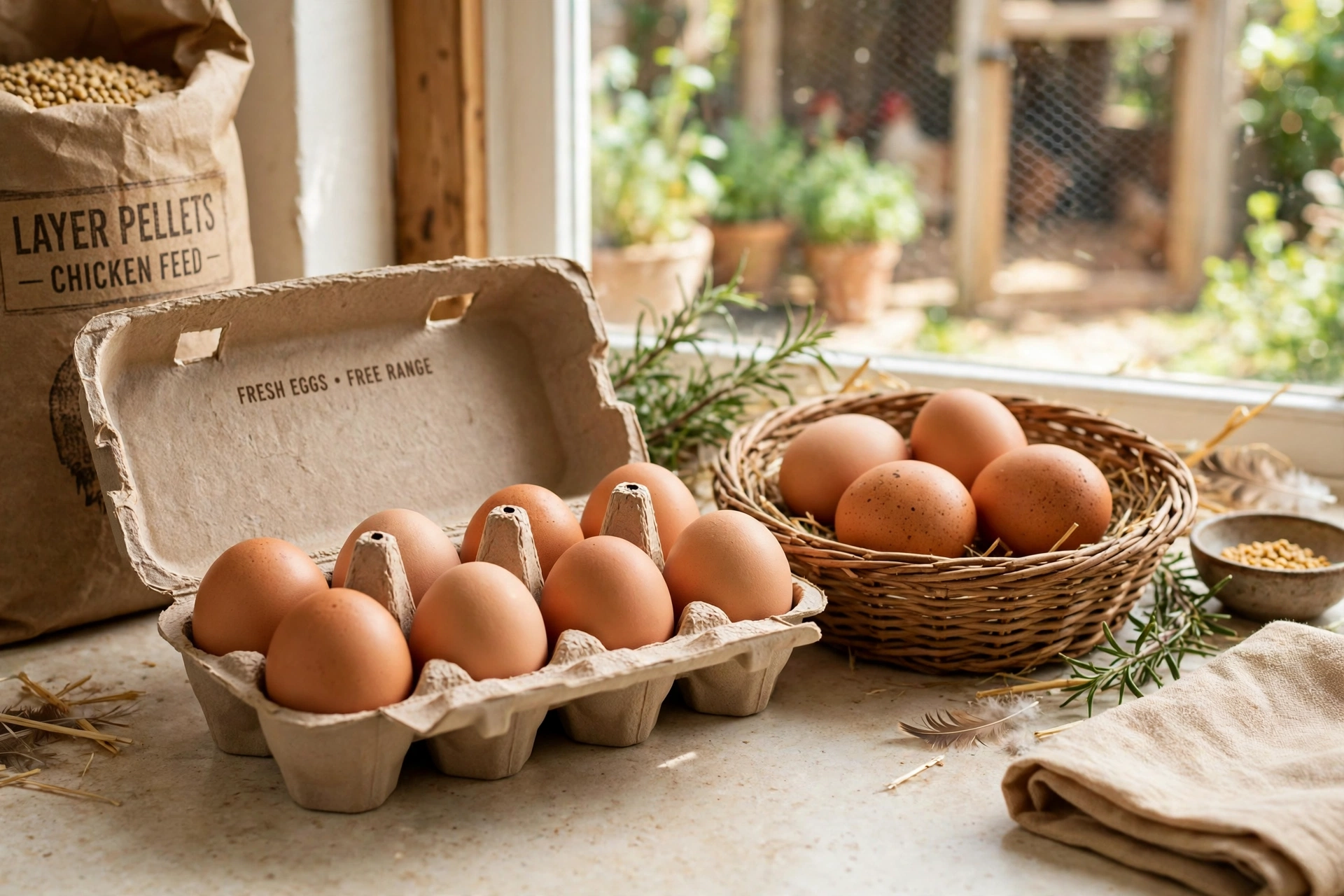
Fresh eggs from your own hens last longer than shop eggs, but only if you store them the right way. The whole answer comes down to one thing, the bloom. A clean unwashed egg keeps its natural bloom, and with it you get about 2 weeks on a cool counter or about 3 months in the fridge. Wash that bloom away and the egg must go straight into the fridge and be used sooner. This guide gives you the numbers for every case, unwashed and washed, counter and fridge, plus freezing, hard boiled eggs, and how to tell when an egg is bad.
Table of Contents
- Unwashed eggs keep their bloom.
- About 2 weeks on a cool counter, about 3 months in the fridge.
- Washed eggs go straight in the fridge and get used first.
- Unwashed on the counter about 2 weeks.
- Unwashed in the fridge about 3 months.
- Washed in the fridge about 3 to 5 weeks.
- Beaten raw eggs in the freezer up to 12 months.
- Hard boiled eggs in the fridge about 1 week.
- Store pointy end down.
- Date the eggs and use the oldest first.
- Never store washed eggs on the counter.
- A cracked egg or a bad smell means throw it out, whatever the date says.
The Short Answer. Unwashed, Cool and Dated
Unwashed, cool and dated. That is the whole answer in three words. Keep the bloom on, keep the eggs cool, and write the date on them so the oldest get used first.
A clean unwashed egg lasts about 2 weeks on a reasonably cool counter, or about 3 months in the fridge. A washed egg lasts about 3 to 5 weeks in the fridge, and never belongs on the counter at all. Beaten raw eggs freeze well for up to 12 months, and hard boiled eggs keep about 1 week in the fridge.
Those numbers are planning figures, not promises. Sources disagree on the outer end, because houses and fridges differ, so this guide gives you the safe figure first and the outer end second, and says plainly where the official guidance is shorter. Quality falls with time even when an egg is still usable, so the oldest eggs get used first, always.
What the Bloom Does and Why Washing Changes Everything
The bloom is the whole story. A clean unwashed egg keeps its natural bloom, also called the cuticle, a thin coating that seals the shell pores, slows moisture loss and helps keep bacteria out. It is the egg’s own packaging, and it works.
Washing removes that coating. Once an egg is washed it must go straight into the fridge and be used sooner, because the pores are open and the egg loses moisture and protection faster.
Do not wash eggs until just before use. If an egg is dirty, brush off dry dirt or wipe it with a dry cloth, and leave the washing for the day you cook it.
If an egg must be washed, use water at least 20 degrees Fahrenheit warmer than the egg itself, dry it, and refrigerate it at once. Cold or room temperature wash water can draw bacteria inward, so do not recommend it. Warm water, dry, fridge, and use those eggs first.
How Long Unwashed Eggs Last on the Counter
How long do unwashed eggs last on the counter. About 2 weeks in a reasonably cool house is the conservative practical figure, from Ohio State University Extension as quoted in 2026. Several backyard guides stretch this to 2 to 3 weeks, and some to 2 to 4 weeks, at room temperature in a cool dry place away from direct sunlight.
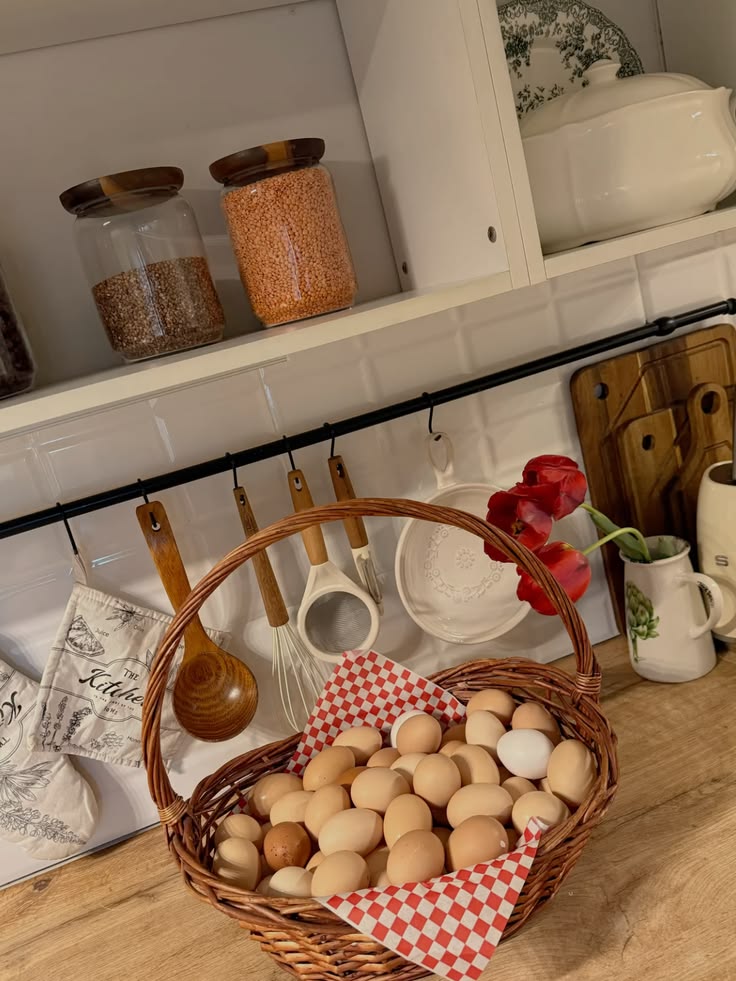
Give 2 weeks as the safe planning figure and 2 to 3 weeks as the outer end in a cool house. Say plainly that a hot kitchen shortens it. Above about 75 degrees Fahrenheit, choose the fridge instead.
Never store washed eggs on the counter. The counter works because the bloom is intact and the house is cool. In summer, or in a warm kitchen, the counter stops being a safe choice, and the fridge takes over. When in doubt, the fridge is always the safer shelf.
How Long Fresh Eggs Last in the Fridge
Do fresh eggs need to be refrigerated. Not always, but the fridge is where they last longest. Unwashed eggs in the fridge last about 3 months, which is the practical backyard figure, from Ohio State University Extension as quoted in 2026, with some guides giving 3 to 5 months. Keep the fridge at or below 40 degrees Fahrenheit.
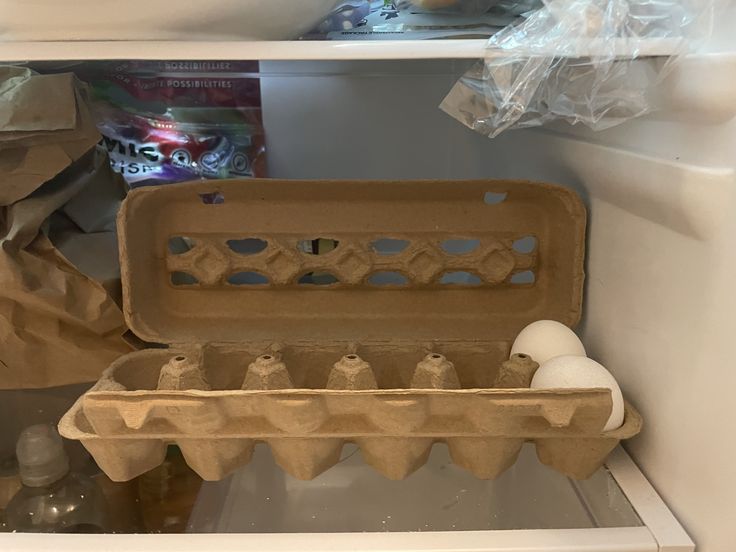
Present 3 months as the planning figure, not a guarantee, and note the FDA best quality benchmark for refrigerated shell eggs is shorter, about 3 weeks, so do not present 3 months as an official safety promise. Quality falls with time even when an egg is still usable, so the white gets thinner and the yolk flattens, even in an egg that is fine to eat.
Keep eggs in a carton or covered container, away from strong smelling foods, because shells breathe and pick up odours. Date them and use the oldest first. Do not leave eggs out of the fridge for more than about 2 hours.
Washed Eggs Go in the Fridge and Get Used First
How long do washed eggs last in the fridge. About 3 to 5 weeks, with several guides giving 4 to 6 weeks. Use the washed eggs first, before the unwashed ones, because their protection is gone.
Washed eggs go straight into the fridge, never on the counter, and never back to room temperature for storage.
If an egg must be washed, use water at least 20 degrees Fahrenheit warmer than the egg itself, dry it, and refrigerate it at once. Cold or room temperature wash water can draw bacteria inward.
The rule is simple. Unwashed eggs have a choice of counter or fridge. Washed eggs have one shelf only, the fridge, and a shorter clock. Mark washed eggs clearly, perhaps with a different coloured carton, so they get used first and never mixed up with the unwashed ones.
How to Store Fresh Eggs Step by Step
How to store farm fresh eggs. Pointy end down, so the air cell stays at the blunt end and the yolk stays centred. That is the one detail most people get wrong, and it matters, because the air cell is meant to sit at the top.
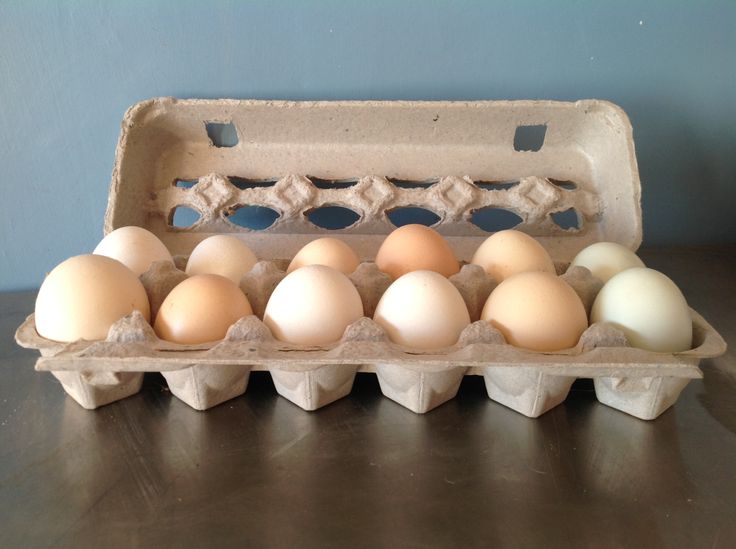
First, collect the eggs daily and set aside any cracked ones to throw out. Second, brush off dry dirt and do not wash them. Third, write the date on the shell in pencil, or on the carton, so the oldest get used first. Fourth, put them pointy end down in a carton or covered container. Fifth, store the carton on a cool counter for up to about 2 weeks, or in the fridge at or below 40 degrees Fahrenheit for up to about 3 months. Sixth, keep them away from strong smelling foods like onions and fish, because shells breathe.
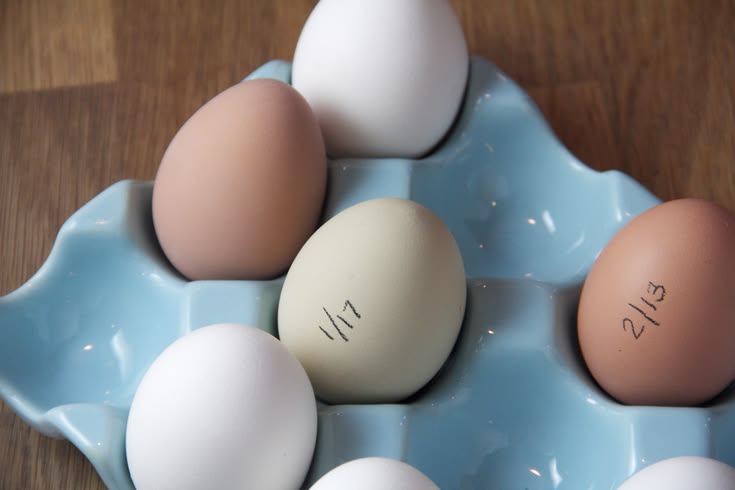
Do not leave eggs out of the fridge for more than about 2 hours. Discard any cracked egg, and any egg that smells bad once cracked, whatever the date says. A date on the carton is a planning aid, not a safety test.
| Storage | How Long | Notes |
|---|---|---|
| Unwashed on the counter | About 2 weeks | Cool house only, away from sunlight, above 75F use the fridge |
| Unwashed in the fridge | About 3 months | At or below 40F, planning figure not an official promise |
| Washed in the fridge | About 3 to 5 weeks | Use first, never on the counter |
| Beaten raw eggs in the freezer | Up to 12 months | Never in the shell, thaw in the fridge |
| Hard boiled eggs in the fridge | About 1 week | In the shell or peeled in a covered container |
How to Tell if a Fresh Egg Is Bad
How to tell if a fresh egg is bad. Crack it into a separate bowl, not straight into the pan, then look and smell. A fresh egg has a firm white and a yolk that stands up. A bad egg smells wrong at once, and the smell is unmistakable. If an egg smells off, looks off, or the shell is cracked, throw it out. Say this plainly and do not soften it.
The float test is a useful age check, and our float test guide covers it in full. Floating shows the air cell has grown with age, not that an egg is safe or rotten. The crack, look and smell checks are what decide safety.
Fresh eggs arrive fast when hens are laying well, and our guide to daily laying covers how quickly that basket fills.
A date on the carton helps you use the oldest first, but it never overrules your nose. When in doubt, throw it out. An egg costs pennies, and a bad one is never worth the risk.
Can You Freeze Fresh Eggs
Can you freeze fresh eggs. Yes, and freezing is the best long term option when the basket overflows. But never freeze them in the shell, because the liquid expands and cracks the shell and lets bacteria in.
Crack them, beat whole eggs gently until just blended, pack in portioned containers with a little headspace, label with the date and count, and use within up to 12 months for best quality.
Whites freeze well on their own. Yolks alone turn thick and gel like unless a pinch of salt for savoury use or sugar for sweet use is mixed in first.
Thaw in the fridge overnight or in a sealed bag under cold running water, never on the counter. Use thawed eggs the same day, only in dishes cooked right through, and never refreeze them. Frozen eggs work best in baking and cooking, where texture matters less than in a fried egg.
How Long Hard Boiled Eggs Last
How long do hard boiled fresh eggs last. Eat within about 1 week, kept in the fridge, in the shell or peeled in a covered container.
Mark the date so a boiled egg never gets confused with a raw one, perhaps with a pencil cross on the shell. Do not freeze hard boiled eggs, the texture turns rubbery. And do not leave peeled boiled eggs uncovered in the fridge, because they dry out and pick up odours. A covered container keeps them right for the week.
FAQs
How long do unwashed eggs last on the counter.
About 2 weeks in a reasonably cool house, with 2 to 3 weeks as the outer end in a cool house away from sunlight. Above about 75 degrees Fahrenheit, choose the fridge instead. Never store washed eggs on the counter.
Do fresh eggs need to be refrigerated.
Not always. Unwashed eggs with the bloom intact keep about 2 weeks on a cool counter. But the fridge is where they last longest, about 3 months unwashed, and washed eggs must be refrigerated, about 3 to 5 weeks.
How to store farm fresh eggs.
Pointy end down, in a carton or covered container, dated, oldest first, away from strong smelling foods. Counter for up to about 2 weeks if unwashed and the house is cool, or fridge at or below 40 degrees Fahrenheit for up to about 3 months.
Can you freeze fresh eggs.
Yes, beaten and out of the shell, in portioned containers with a little headspace, labelled and dated, for up to 12 months. Never freeze eggs in the shell. Thaw in the fridge overnight, use the same day in dishes cooked right through, and never refreeze.
Pointy end up or down for storing eggs.
Pointy end down, so the air cell stays at the blunt end and the yolk stays centred. That is the one detail most people get wrong, and it matters most over weeks of storage.
Also see How to Break a Broody Hen Gently and When to Let Her Sit

Nusrat
Author, TheChickenPet.com