
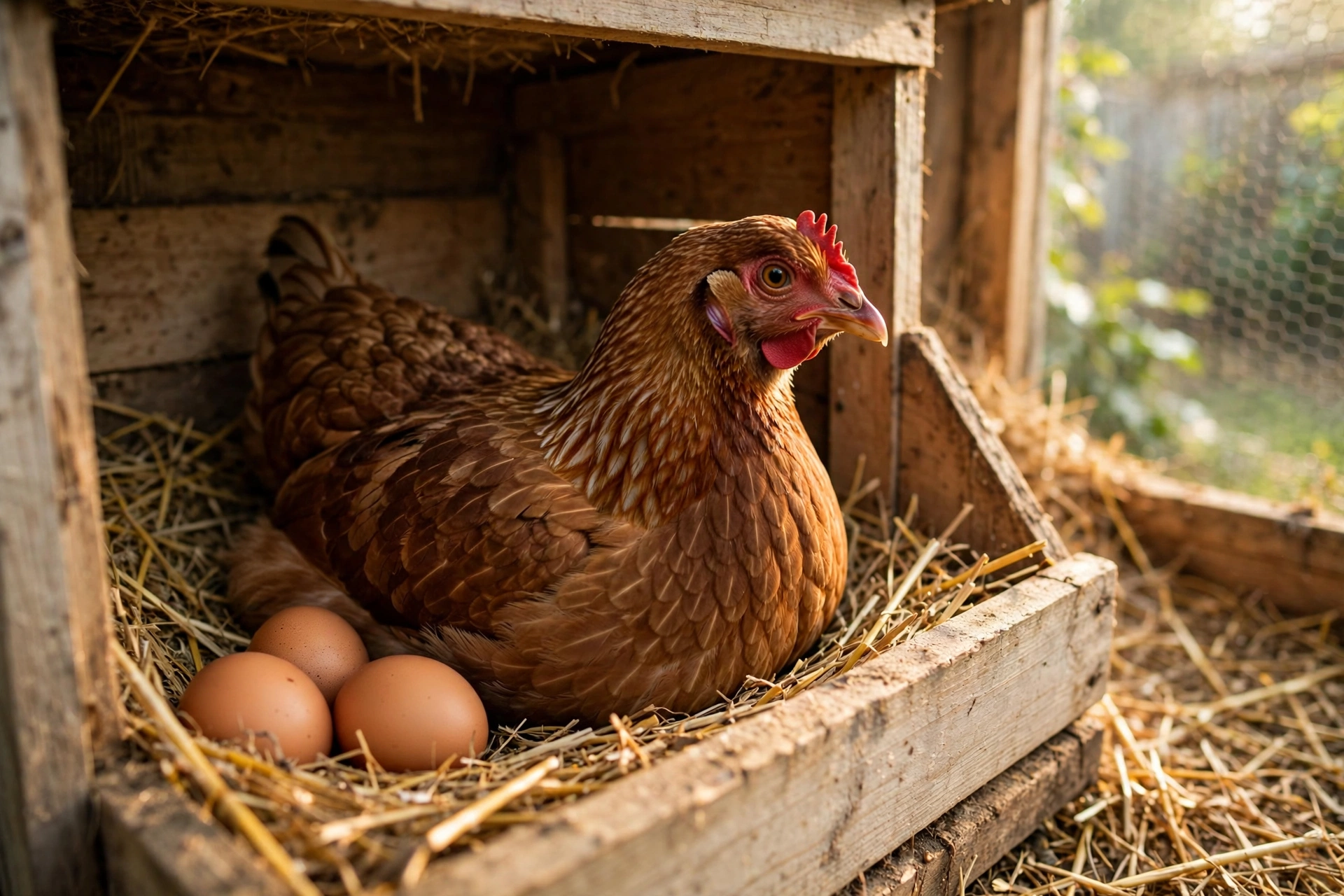
If you collect eggs every morning, a day with an empty nesting box feels like something went wrong. It usually has not. A healthy hen in her prime does not lay every single day, and a skipped day is built into how an egg is made, not a sign of failure.
The short answer is almost, but not quite. Making an egg takes about 24 to 26 hours, which is slightly longer than a day, so a hen lays a little later each day, then skips a day to reset. A good layer gives about 5 to 6 eggs a week in her prime, not 7, and she does all of it with or without a rooster.
Table of Contents
Quick Facts
At a Glance
- An egg takes 24 to 26 hours to make
- Maximum is one egg per day
- A skipped day is normal, not a problem
The Numbers
- Good layer in prime, 5 to 6 eggs per week
- Dual-purpose breeds, 3 to 5 per week
- Heritage breeds, 2 to 4 per week
Good to Know
- Hens lay mostly in the morning
- No rooster is needed for eggs
- Short days, moult and age all lower the count
The Short Answer. Almost, But the Clock Runs 25 Hours
No, chickens do not lay eggs every day, and that is normal. The reason is simple arithmetic. An egg takes about 24 to 26 hours to form inside a hen, which is a little longer than one day. So a hen that lays at 9 in the morning today will lay closer to 10 tomorrow, then 11 the next day, and so on, until her laying time slides so late that she skips a day and starts again early the next morning. That skip is the reset, not a problem.
This is why even the best backyard layer tops out at about 5 to 6 eggs a week, not 7. Expecting an egg every single day sets a standard no hen can meet, and it turns a normal pattern into a worry. Count eggs per week, not per day, and you will see how steady most hens actually are. Our free Pet Chicken Starter Checklist includes an egg tracker, which makes the weekly pattern much easier to see than a single empty morning.
How an Egg Is Made
An egg is built in stages, and each stage takes time. First the yolk is released, then the white is added around it, then the shell membranes, then the hard shell itself, and finally the colour is laid on in the last hours. The whole journey takes about 24 to 26 hours, and a hen can only have one egg at that final stage at a time. That is why the maximum is one egg per day, and why two eggs in one day is not normal production.
Two eggs in one day does occasionally happen, but it is almost always a delayed egg, one that was held back and then released close behind the next one, rather than two eggs made at once. If it happens once, do not worry. If a hen regularly lays soft, shell-less or double eggs, or seems strained, she deserves a vet eye, because that pattern points to something going on inside, not to extra productivity.
How Many Eggs Per Week Is Normal?
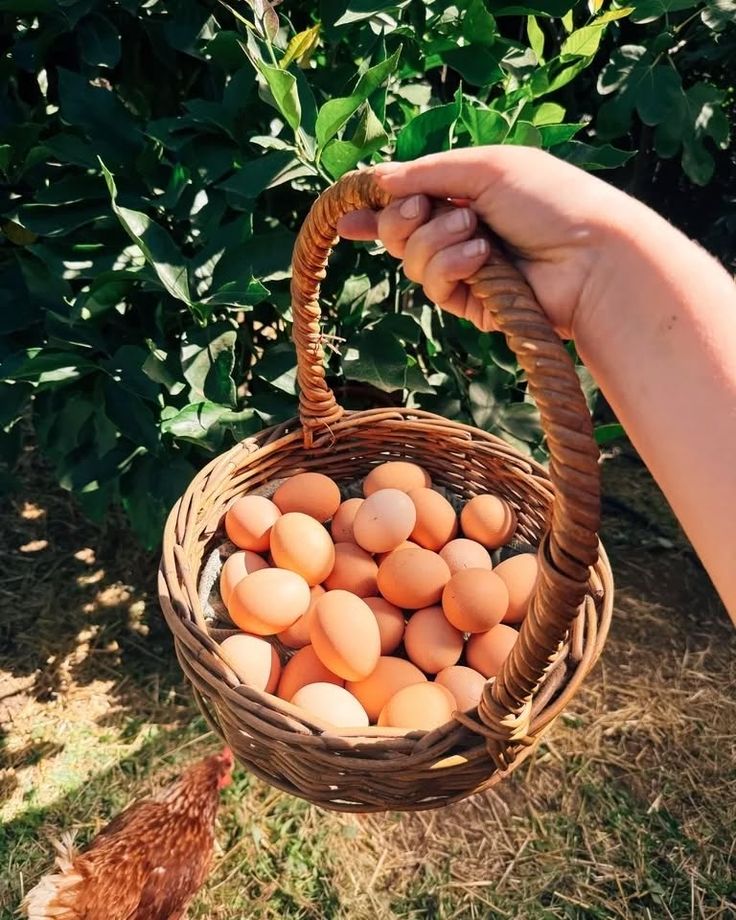
A good layer in her prime, in her first two laying years, with good feed, enough light and no stress, gives about 5 to 6 eggs a week. That is the top end for a backyard pet flock, and it already includes the skipped day built into the 24 to 26 hour cycle. A hen giving 5 eggs a week is doing very well, not underperforming.
Most pet breeds give less, and that is normal too. Dual-purpose breeds, the friendly all-rounders most pet keepers choose, give about 3 to 5 eggs a week. Heritage and ornamental breeds give about 2 to 4 a week. Those ranges are for a healthy hen in season. In winter, during moult, or in her third year and beyond, the count drops further, and that drop is covered in the last section and in our full guide below.
| Type | Per week | Per year |
|---|---|---|
| Good layer in prime | 5 to 6 | 250 to 300 |
| Dual-purpose pet breeds | 3 to 5 | 200 to 280 |
| Heritage and ornamental breeds | 2 to 4 | 100 to 180 |
Which Breeds Lay the Most Eggs?
Among the friendly pet breeds on our own site, the Australorp leads. Our Friendliest Breeds guide gives Australorps at 250 to 300 brown eggs a year, ahead of Buff Orpingtons and Plymouth Rocks at 200 to 280, Speckled Sussex and Easter Eggers at 200 to 250, and Wyandottes at 200 to 240. Those are the figures to trust for pet flocks, because they are the site’s own published table, measured for healthy hens in their first laying years.
At the other end, Silkies give 100 to 120 small eggs a year, Cochins 150 to 180, and Brahmas and Salmon Faverolles 150 to 200. Nobody chooses a Silkie for egg numbers, and that is the point. If eggs matter most to you, choose an Australorp or a Plymouth Rock. If temperament matters most, accept fewer eggs from a Silkie or a Cochin and enjoy the pet. A breed cannot be both the friendliest lap chicken and the highest layer at once, so pick by what you actually value.
| Breed | Eggs per year | Egg type |
|---|---|---|
| Australorp | 250 to 300 | brown |
| Buff Orpington | 200 to 280 | brown |
| Plymouth Rock | 200 to 280 | brown |
| Speckled Sussex | 200 to 250 | brown |
| Easter Egger | 200 to 250 | blue or green |
| Wyandotte | 200 to 240 | brown |
| Brahma | 150 to 200 | brown |
| Salmon Faverolles | 150 to 200 | tinted |
| Cochin | 150 to 180 | brown |
| Silkie | 100 to 120 | small |
Do Hens Lay Eggs Without a Rooster?
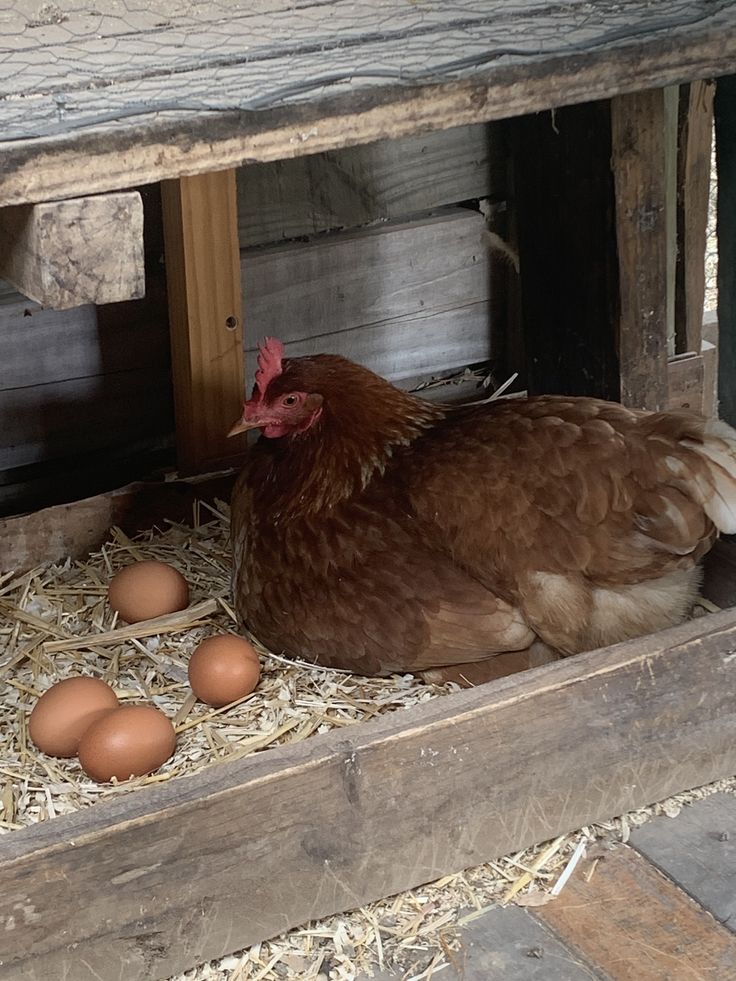
Yes, absolutely. Hens lay eggs on the same 24 to 26 hour cycle whether or not a rooster lives with them. A rooster changes one thing only, whether the eggs are fertilised. Without a rooster, the eggs are unfertilised, which makes no difference to taste, nutrition or how often they arrive. You do not need a rooster to get eggs, and most suburban pet flocks do better without one, because roosters are noisy, often banned by local rules, and can stress the hens.
The one thing a rooster does not do is make hens lay more. If your hens are skipping days, a rooster will not fix it, because the causes are light, moult, age, feed and stress, not fertility. Save the rooster decision for whether you want chicks, not for whether you want eggs.

Why Your Hen Skips Days
Beyond the built-in 25 hour clock, five things lower the count. Short days are first, because hens need about 14 hours of light to lay reliably, and autumn and winter days fall short. Moult is second, because a hen growing new feathers puts protein into plumage instead of eggs. Age is third, because peak years are 1 to 2, then production declines gradually. Broodiness is fourth, because a broody hen does not lay at all while she sits. Heat, poor feed and stress are fifth, because a hot, hungry or frightened hen pauses laying until conditions improve.
If your hen has stopped altogether, rather than just skipping days, work through the full list in order in our guide Why Are My Chickens Not Laying Eggs?, which covers hidden nests, parasites, egg eating and the vet triggers that mean a pause is not normal. A skipped day is normal. A full stop that lasts weeks, or comes with lethargy, weight loss or straining, is not, and that guide tells you which is which.

FAQs
Do chickens lay eggs every day? Not quite. An egg takes 24 to 26 hours to make, so even the best hen lays a little later each day, then skips a day to reset, giving about 5 to 6 eggs a week in her prime.
How many eggs does a hen lay per week? A good layer gives 5 to 6 a week, dual-purpose pet breeds 3 to 5, and heritage breeds 2 to 4. Winter, moult and age all lower those counts.
Which breed lays the most eggs? Among friendly pet breeds, the Australorp leads at 250 to 300 brown eggs a year, ahead of Buff Orpingtons and Plymouth Rocks at 200 to 280. Silkies lay the fewest, at 100 to 120 small eggs a year.
Do hens lay eggs without a rooster? Yes. Hens lay unfertilised eggs on the same cycle with no rooster at all. A rooster only changes fertility, not frequency.
Why does my hen lay later each day then skip a day? Because the egg cycle runs 24 to 26 hours, slightly longer than a day. Each egg comes a little later until the laying time slides too late, then she skips a day and starts early again.
A hen’s laying life has a shape, peak years, then a gentle slow-down, then retirement years that are still worth keeping. Our guide How Long Do Hens Lay Eggs For? gives the year-by-year table, and how to care for a retired hen as a pet.
Keep Reading

WRITTEN BY
Nusrat
Author, TheChickenPet.com