
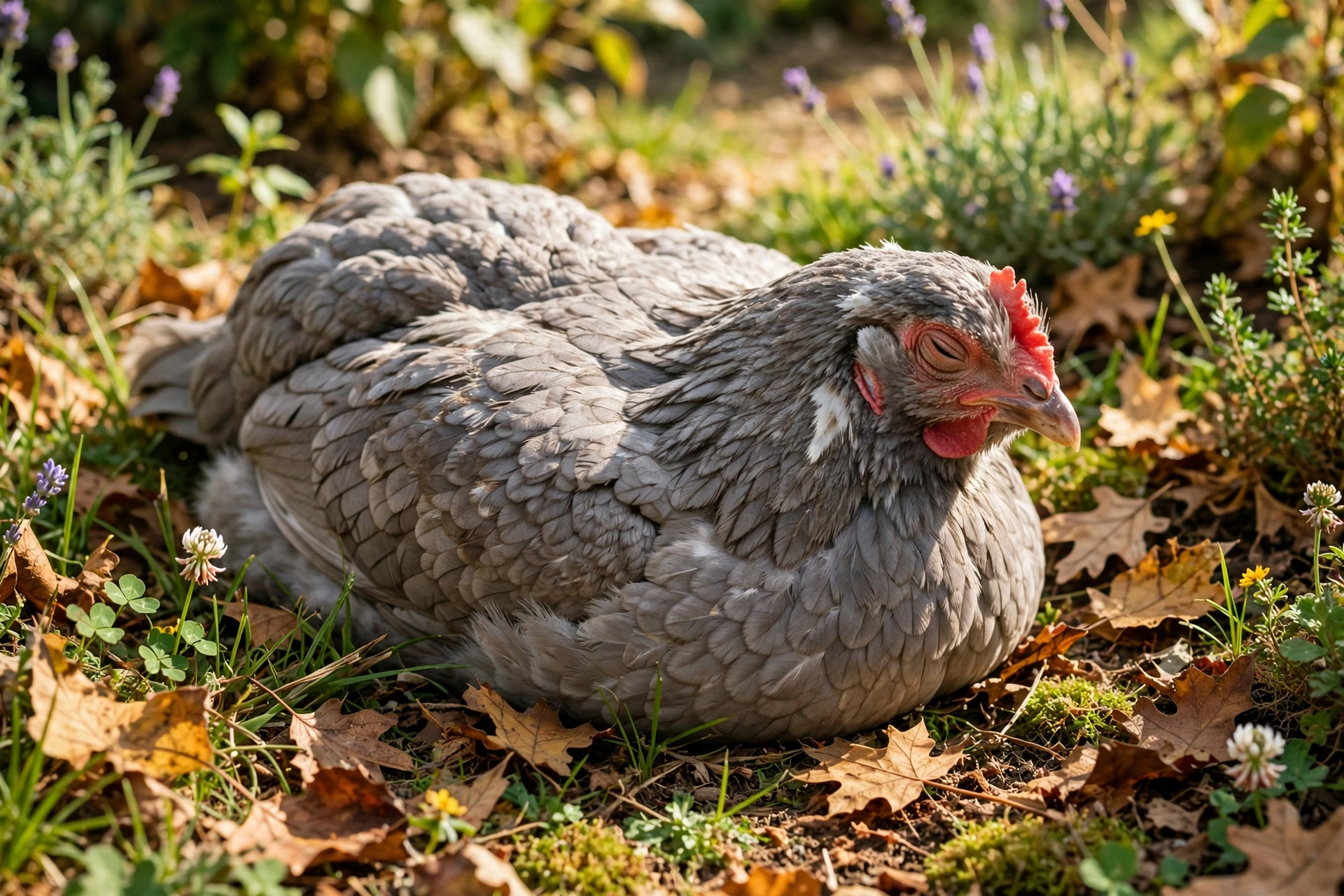
A hen that gave you an egg almost every day in her first year will not do it forever, and that is not a fault, it is the shape of a laying life. The question is not whether she slows down, it is when, by how much, and what she still gives you after the eggs stop.
The short answer is that hens peak in laying years 1 to 2, slow by roughly 10 to 20 percent a year after that, and most backyard hens keep laying usefully for 3 to 4 years, then decreasingly to about 5 to 7 years. Hens commonly live 6 to 8 years or more, so most pet hens have real retirement years, and those years are part of the deal, not a failure of it.
Table of Contents
- 1. The Short Answer. Peak 2 Years, Laying to 5-7, Living Longer
- 2. The Laying Life, Year by Year
- 3. Hybrids vs Heritage Breeds. Fast or Long?
- 4. What Speeds Up, and Slows Down, the Decline
- 5. Do Older Hens Still Lay Eggs?
- 6. Keeping Retired Hens as Pets
- 7. When She Stops Completely. Is It Age, or Something Else?
- 8. FAQs
At a Glance
- Laying starts at about 18 to 24 weeks
- Peak years are 1 to 2
- Most hens have retirement years as pets
The Numbers
- Decline after peak, about 10 to 20 percent a year
- Useful laying, 3 to 4 years
- Occasional laying to about 5 to 7 years
- Lifespan commonly 6 to 8 years or more
Good to Know
- Eggs often get larger as they get fewer
- Older hens still forage, teach and keep company
- A sudden stop is not age, check the #28 list
The Short Answer. Peak 2 Years, Laying to 5-7, Living Longer
Hens lay best in their first two laying years, when the eggs are most numerous and most consistent. From year 3 onward, the count falls by roughly 10 to 20 percent a year, so a hen that gave 250 eggs in year 2 might give around 200 to 225 in year 3, then fewer again in year 4. The eggs she does lay often get larger, which softens the drop in the basket, but the weekly count still falls.
Most backyard hens lay usefully for 3 to 4 years and keep laying, decreasingly, to about 5 to 7 years. An egg after that is a bonus, not a plan. Because hens commonly live 6 to 8 years or more, the years after laying are not an afterthought, they are a normal part of keeping a pet hen. Plan for them from the start, and a slowing hen never feels like a disappointment.
The Laying Life, Year by Year
Laying begins at about 18 to 24 weeks old, depending on breed, with smaller first eggs that grow to full size over the first weeks. Year 1 is the ramp up, year 2 is usually the peak, and from year 3 the slow decline begins. By year 5, many hens lay only a few eggs a month in season, and by year 7 most have stopped, though a hardy heritage hen may still surprise you with an occasional egg.
| Stage | What to expect |
|---|---|
| First eggs | 18 to 24 weeks, small eggs growing to full size |
| Year 1 | Ramp up to peak |
| Year 2 | Peak, most and best eggs |
| Year 3 | Decline begins, about 10 to 20 percent fewer |
| Year 4 | Useful laying continues, fewer and larger eggs |
| Years 5 to 7 | Decreasing, occasional eggs |
| Beyond 7 | Usually retired, an egg is a bonus |
Use the table as a shape, not a promise. A hen’s own breed, feed, light and health move her along it faster or slower, and no two hens follow it exactly. Our Friendliest Breeds guide gives the eggs per year for each pet breed in its prime, and those prime figures are the starting point the decline works down from. Australorps at 250 to 300 a year in prime will still outlay Silkies at 100 to 120 in every year of life, because the starting point matters as much as the slope.
Hybrids vs Heritage Breeds. Fast or Long?
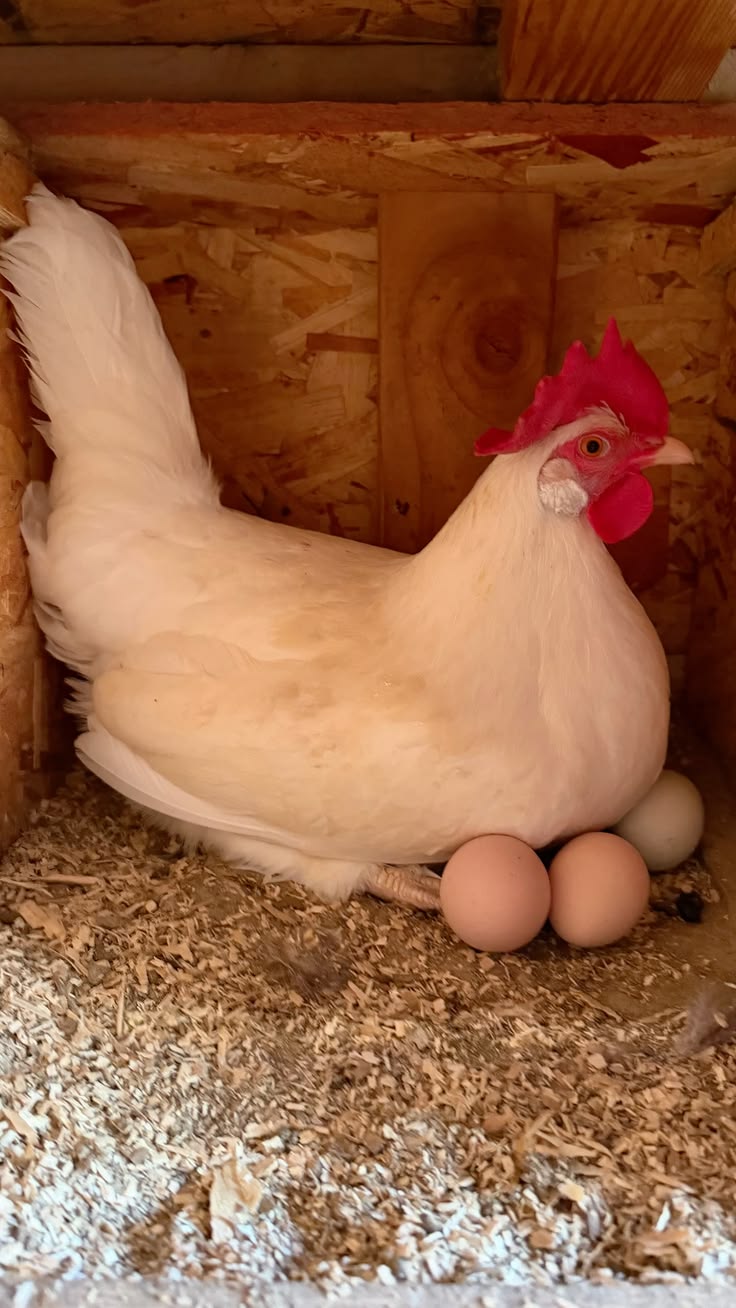
Hybrid layers, the commercial brown egg hens sold for maximum production, lay hard and retire early. They give the most eggs in years 1 to 2, then fall fastest, and often stop usefully by year 3 or 4. Heritage and dual-purpose pet breeds lay fewer eggs at peak, but they lay for longer, declining more gently, and they commonly live longer as pets too.
For a pet flock, that trade usually favours heritage breeds. A hen that gives 200 eggs a year for 5 years gives you more, and more years of company, than a hen that gives 300 a year for 2 years and then burns out. This is the same reason our pet breed table favours Australorps, Orpingtons and Plymouth Rocks over pure production hybrids, they are bred to be companions first, and their laying life matches that job.
What Speeds Up, and Slows Down, the Decline
Light, feed and stress shape the slope more than most keepers realise. Hens need about 14 hours of light to lay reliably, so short winter days cut the count in every year, and a hen kept through winter without supplemental light will look older, in laying terms, than she is. Good layer feed at 16 to 18 percent protein, oyster shell on the side, and clean water always available keep the decline gentle. Poor feed, overcrowding, predators and constant stress make it steep.
Moult also takes a year off the count, in effect. A hen that moults hard every autumn loses weeks of laying each year, and a hen that is broody often loses more. Neither is a defect, both are normal, but both mean the lifetime total is lower than the prime-year figure multiplied by years. Count the years, not just the eggs, and you will judge a hen fairly.
Do Older Hens Still Lay Eggs?
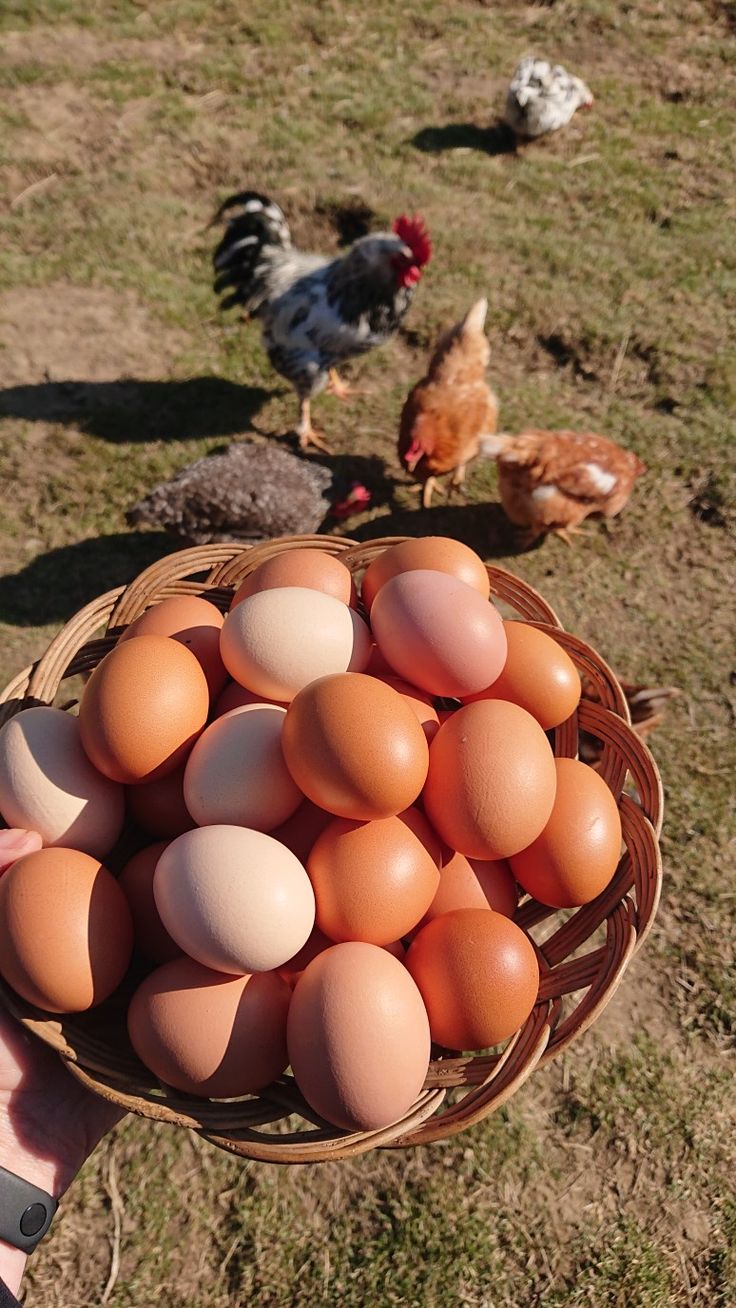
Yes, older hens still lay eggs, just fewer of them, and less predictably. A 4 year old hen may lay 3 eggs a week in spring and none in winter. A 6 year old may lay a handful a month in her best season. Those eggs are often larger than her year 2 eggs, with thicker shells if her calcium is good, and they are every bit as good to eat.
The line between old and stopped is gradual, not sudden. A hen that tapers from 5 eggs a week to 3, then 1, then an occasional egg over two years is ageing normally. A hen that stops suddenly, in season, with no taper, is not ageing, something else has changed, and that is the next section. Do not retire a hen in your head the first season she slows down, she may have years of useful laying left.
Keeping Retired Hens as Pets
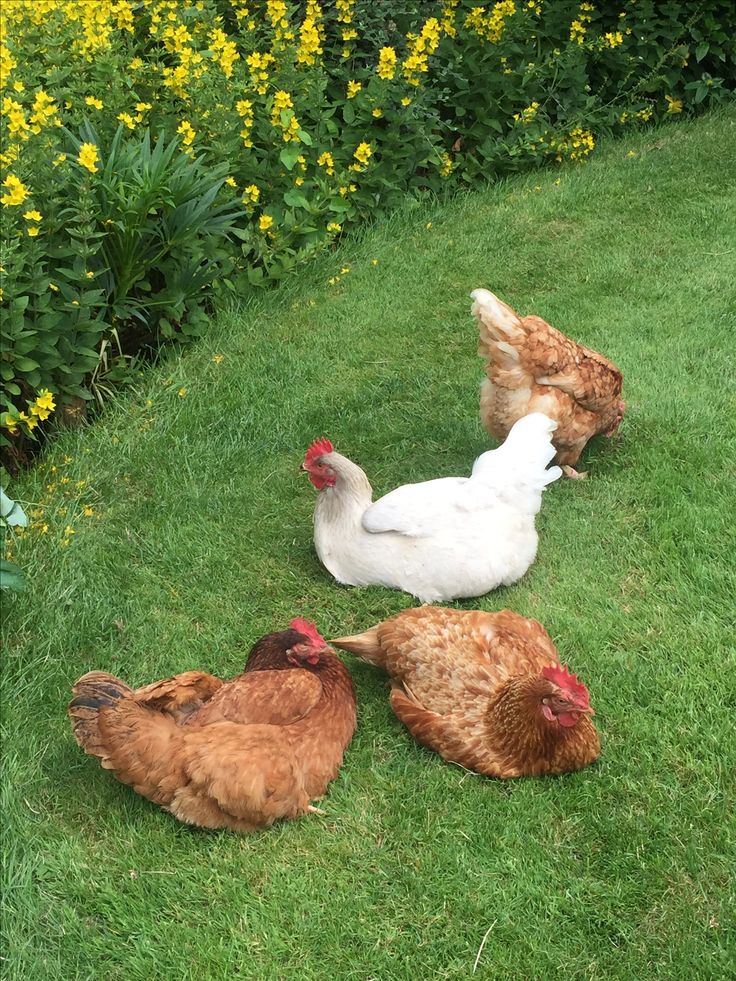
A retired hen still earns her keep, just not in eggs. She forages for slugs and insects, turns over litter, teaches younger hens where to dust bathe and where to roost, and she is, for most keepers, a pet in her own right by then, with a name, habits and a favourite spot. Keeping her is the point of pet chicken keeping, not a burden on it.
Her care changes a little. She needs less calcium than a laying hen, so oyster shell on the side, taken as needed, beats forcing extra calcium into her feed. Watch her weight, because a hen that stops laying but keeps eating layer feed can get fat, and a fat hen is a less healthy hen. Keep her moving with space to forage, keep her warm and dry in winter, and keep handling her gently, because older joints are stiffer. Our guide How Long Do Silkie Chickens Live? covers the same retirement years for the longest-lived pet breed, and its care notes apply to any senior hen.
The commercial contrast is worth stating plainly. Farms replace layers at about 1 and a half to 2 years, because output drops and a farm measures a hen in eggs. A backyard pet keeper measures a hen in years, and that different measure is this site’s whole point. A hen that has given you 5 years of eggs and 3 more years of company has not failed, she has succeeded twice over.
When She Stops Completely. Is It Age, or Something Else?
Age stops laying gradually, over seasons. Short days, moult, hidden nests, broodiness, stress, parasites and egg eating stop it suddenly, or in a pattern that does not fit age. Before you call a stoppage old age, check the season, check for hidden nests, check feed and water, and check for illness signs. Our guide Why Are My Chickens Not Laying Eggs? works through that list in order, and our guide Do Chickens Lay Eggs Every Day? explains the weekly pattern a normal hen follows, so you can tell a normal skip from a real stop.
When to worry, and see a vet, is the same as ever. A hen that stops and is lethargic, losing weight, off food, has discharge, or is straining, is not just old, she needs a vet promptly. Age alone never makes a hen lethargic or thin. If she is bright, eating, foraging and simply not laying, she is almost certainly just retired, and she deserves the same care, space and treats as the hens still laying beside her.
FAQs
How long do hens lay eggs for? Hens peak in years 1 to 2, lay usefully for 3 to 4 years, and may keep laying decreasingly to about 5 to 7 years, slowing by roughly 10 to 20 percent a year after peak.
At what age do hens stop laying? Most stop usefully by 5 to 7 years, though the decline is gradual, not a single birthday. An egg after 7 is a bonus, not a plan.
Do older hens still lay eggs? Yes, fewer and less predictably, often larger eggs, a few a week in season at 4 years, a handful a month at 6, depending on breed and care.
How many eggs does a hen lay in her lifetime? It depends on breed, but a rough range is 800 to 1,500 eggs for a good pet layer over her laying life, fewer for ornamental breeds, more for high-production hybrids in a shorter span. Treat any exact lifetime total as a guess, not a fact.
Should I keep a hen that has stopped laying? Yes, if you keep chickens as pets. A retired hen still forages, teaches younger hens and keeps company, and she needs only slightly adjusted care, less forced calcium, weight watched, and a warm dry coop.
Keep Reading

WRITTEN BY
Nusrat
Author, TheChickenPet.com