

Chicken Care & Health
Yes, chickens can eat peas, and most hens love them. Fresh peas straight from the pod, thawed frozen peas scattered on a hot day, and split peas soaked or cooked plain are all safe, in or out of the pod. Our food checker rates garden peas Safe, and this article matches that checker exactly, so nothing here will contradict the site’s own tool.
There is one warning that matters more than all the serving tips put together. The flowering sweet pea plant grown for scent and colour is toxic, and it is not the same plant as the peas in your vegetable patch. Keep the flower plants and their seeds away from the flock, and the peas you eat yourself are fine for your hens too. Read the sweet pea section before you let hens near any garden pea plant, and the rest is easy.
Table of Contents 9 sections
Garden peas are Safe in every normal form. Fresh, thawed or split, in or out of the pod. Frozen peas are the classic summer serve.
- Fresh peas, safe in or out of the pod.
- Frozen peas, safe thawed.
- Split peas, safe soaked or cooked plain.
- Snow peas and sugar snap peas, safe whole pods.
- Pea shoots, safe snipped and scattered.
- Sweet pea plant, unsafe and toxic, keep away from the flock.
Treats stay at about 10 percent or less of the diet, with layer feed as the base. Baby chicks wait until they are a couple of weeks old and eating confidently, with chick grit available.
The Short Answer. Yes, Fresh, Thawed or Split, In or Out of the Pod
Chickens can eat peas in every normal form you would buy or grow. Fresh peas from the pod are safe raw, and hens will happily shell them themselves if you give them whole pods. Frozen peas are safe once thawed, and they are the form most keepers reach for because a bag lives in the freezer all year. Split peas are safe too, and soaking or cooking them plain makes them easier for smaller hens to manage. Nothing about the pod changes the answer, peas are safe in or out of it.
Peas are a useful treat as well as a popular one. They give hens plant protein and fibre along with vitamins, and they are soft, small and easy to peck. They are not a replacement for layer feed, and they should never push treats past about 10 percent of the diet, but inside that limit they are one of the safest treats you can offer. For the full safe and toxic list, see What Can Chickens Eat?.
How to Serve Peas to Chickens
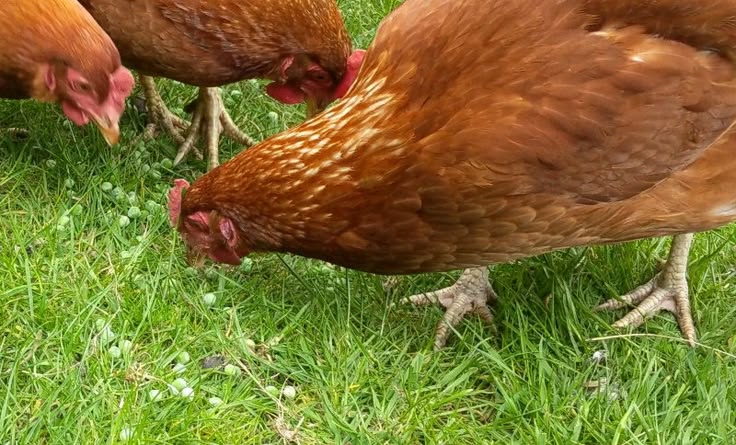
The simplest serve is also the best one. Scatter a small handful of peas on clean grass or a dry patch of run floor and let the hens chase them. Scattering stops one bold hen from guarding a bowl while the rest watch. For fresh peas, give hens whole pods and let them peck the peas out themselves.
Fresh raw peas need no cooking and no prep beyond a rinse if they came from a sprayed garden. Frozen peas must be thawed first, which takes only a few minutes in a bowl of cool water, and they should be soft before they go to chicks or small hens. Avoid salted or seasoned peas, and never serve peas in butter, sauce or a salty coating, because the additions are the problem, not the peas. Plain is the rule for every treat on this site.
| Form | Safe | How to serve |
|---|---|---|
| Fresh peas | Safe | raw from the pod, in or out of the pod, scattered on grass |
| Frozen peas | Safe | thawed in cool water, scattered, never rock hard |
| Split peas | Safe | soaked or cooked plain, served soft |
| Snow peas | Safe | whole pods are fine, chopped for small hens if you prefer |
| Sugar snap peas | Safe | whole pods are fine, a garden glut favourite |
| Pea shoots | Safe | snipped and scattered fresh |
| Sweet pea plant | Unsafe | toxic flowering plant, keep plants and seeds away from the flock |
Frozen Peas, the Summer Treat Hens Love
Thawed frozen peas scattered on a hot day are the classic cooling treat, and they are the reason many keepers keep a bag in the freezer all summer. Hens chase them, peck them cold and damp, and get a little extra water with every pea, which helps on days when the flock is panting and the waterer needs constant topping up. Serve them thawed, not rock hard from the freezer, because a frozen pea is hard to peck and harder to swallow, and soft peas suit chicks and small hens as well as big ones.
A summer pea serve is also a boredom buster for hens in a run during a heatwave. Scatter the peas through clean straw or across a shady patch so the hens have to hunt for them, and pair the serve with fresh water in the shade.
Dried Peas and Split Peas
Dried peas and split peas are safe, and they are the cheapest way to keep peas on hand through winter. Split peas are inside the checker’s Safe note, and they cook quickly into a soft mash that hens of any size can eat. Whole hard dried peas are tough for smaller hens to crack, so soaking them overnight or cooking them plain until soft is the sensible serve.
Cook dried peas plain, with no salt, no stock and no seasoning, and let them cool completely before they go to the flock. A spoonful of soft cooked split peas mixed into a small amount of feed is an easy winter treat, and it pairs well with warm oatmeal on a cold morning. For the full oatmeal guide, see Can Chickens Eat Oatmeal?. Store dried peas dry and sealed so they never go damp or mouldy.
Snow Peas, Sugar Snap Peas and Pea Shoots
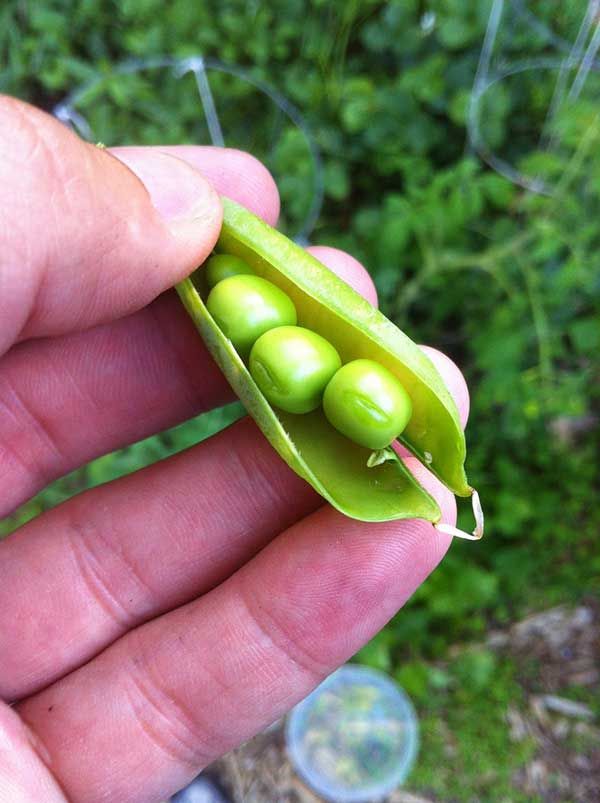
Snow peas and sugar snap peas are both Safe, and whole pods are fine for hens to peck. The flat pods of snow peas and the plump pods of sugar snaps are a garden glut favourite, because one overgrown row gives you far more pods than a family can eat, and hens will clear the surplus happily. Chop the pods for very small hens if you prefer, but adult hens handle whole pods without trouble.
Pea shoots are Safe too, and they are the part of the plant most keepers throw away. Snip the young shoots and tendrils from garden peas and scatter them fresh, and hens will pick through them like salad leaves. Do not confuse any of this with the flowering sweet pea plant in the next section.
The Sweet Pea Warning
The flowering sweet pea plant, the one grown for scent and colour in cottage gardens, is Unsafe and toxic, and it is not the same plant as edible garden peas. A reader who grows sweet peas for flowers must keep those plants and their seeds away from the flock. This is the article’s most important safety point, because the two plants share a name and a garden, and a hen cannot tell the difference.
If sweet peas grow near your run, fence them off or grow them where hens cannot reach, and never toss sweet pea cuttings or spent plants into the run as green waste. If a hen does eat sweet pea material, watch her closely and call an avian vet if she seems unwell, off her food or lethargic, rather than waiting to see if it passes. Peas you eat are fine, sweet pea flowers are not food, and the two should never meet in the run.

How Many Peas and How Often
How many peas can chickens eat in a day? A small handful per hen, a few times a week, sits comfortably inside the 10 percent treat rule for a flock on layer feed. Peas are a treat, not a feed, so they should never replace the balanced layer ration that gives hens their protein, calcium and vitamins in the right amounts. A hen that fills up on peas crowds out the feed that does the real work.
Offer peas two or three times a week in season, or daily in very small amounts if you prefer, and watch the flock’s droppings and laying for the first week after you introduce them. A new treat can loosen droppings for a day or two, and that usually settles as the hens get used to it. If one hen hogs every pea, scatter wider or offer two piles at opposite ends of the run, so the quieter hens get their share too. For another summer treat guide, see Can Chickens Eat Zucchini?.
Can Baby Chicks Eat Peas
Can baby chicks eat peas? Yes, but only once they are past the starter-only stage. Chicks live on starter feed first, and treats wait until chicks are a couple of weeks old and eating confidently. For the full timing guide, see When Can Baby Chicks Eat Treats?. Once chicks reach that stage, soft thawed peas in tiny amounts fit the rule, and squashing or cutting each pea helps the smallest chicks manage them.
Chick grit is the other half of the rule. Any chick eating treats needs chick grit available, because grit is what grinds soft food in the gizzard. Offer a pinch of peas, not a pile, and watch that every chick gets a taste rather than one chick guarding the lot. If a chick is still under two weeks old, or is not eating starter confidently yet, wait.

FAQs
Can chickens eat peas?
Yes, garden peas are safe fresh, thawed or split, in or out of the pod. They are a healthy treat inside the 10 percent treat limit, with layer feed as the base of the diet.
Can chickens eat frozen peas?
Yes, once thawed. Thaw frozen peas in cool water until soft, then scatter them on grass or a dry run floor. Frozen peas make a great summer treat, but serve them thawed, never rock hard.
Can chickens eat pea pods?
Yes, pea pods are safe, and hens will peck the peas out of whole pods themselves. Snow pea and sugar snap pea pods are also safe whole, and pea shoots can be snipped and scattered fresh.
Can chickens eat sweet peas?
No, not the flowering sweet pea plant. The garden flower grown for scent and colour is toxic and is not the same plant as edible garden peas. Keep sweet pea plants and seeds away from the flock, while vegetable patch peas are fine.
Can baby chicks eat peas?
Yes, once chicks are a couple of weeks old and eating starter feed confidently, with chick grit available. Offer soft thawed peas in tiny amounts, squashed or cut for the smallest chicks, and keep starter feed as the main diet.
Can Chickens Eat Corn on the Cob? Kernels, Cobs and Dried Corn
Keep Reading
