
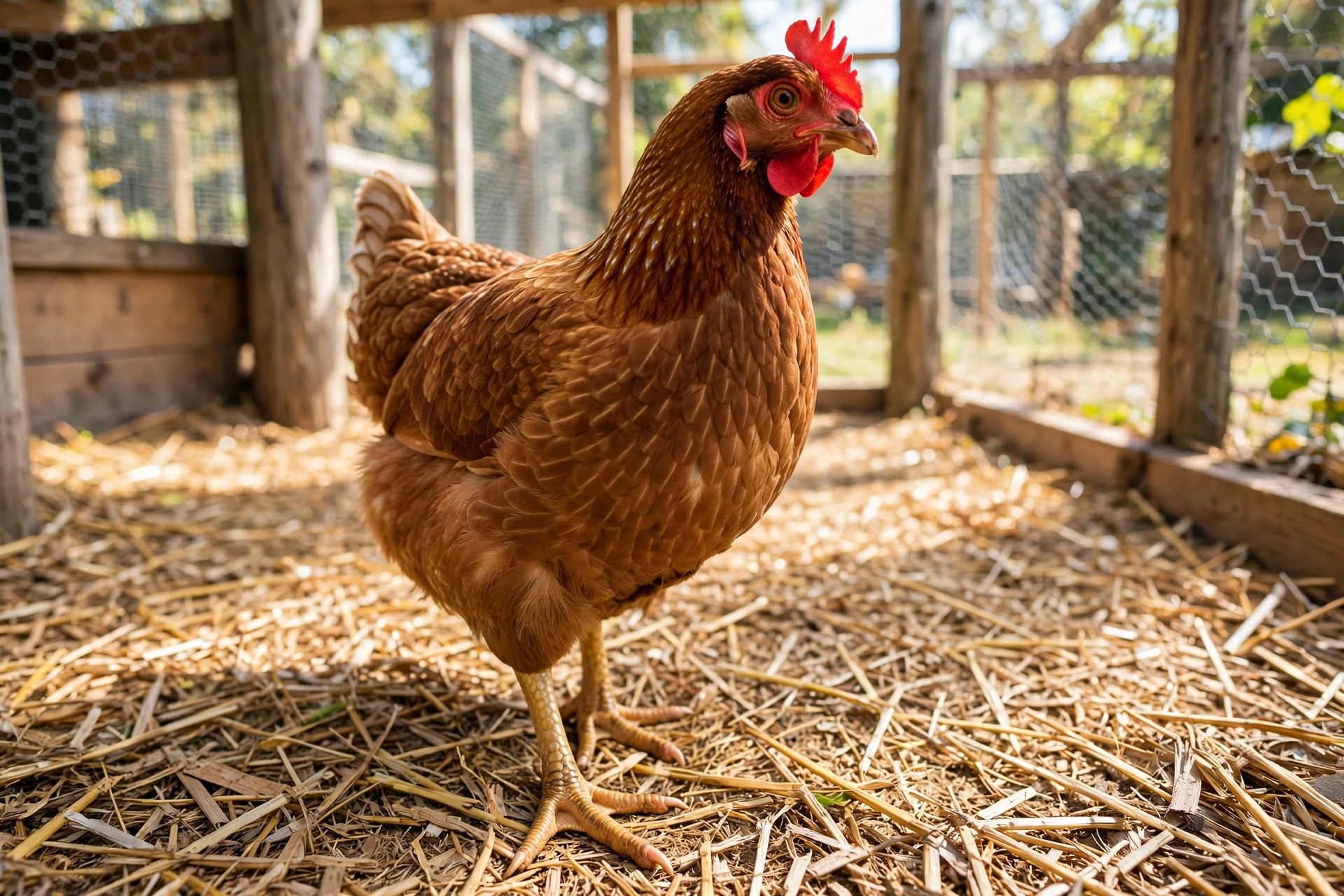
Bumblefoot is a foot infection that starts small and rewards early care. A hen that begins limping, or a small dark scab you spot on the underside of her foot, is the moment to act, because early cases respond well to clean home care while ignored cases can turn into a deep abscess that needs a vet.
This guide covers the signs in the order you notice them, the home routine that is safe for early and mild cases, and the clear line where home care stops and a vet takes over. It does not walk you through cutting into a foot, and it does not tell you to dose antibiotics yourself, because those two shortcuts are where home guides do real harm.
Table of Contents
- 1 The Short Answer. A Foot Infection That Starts Small and Rewards Early Care
- 2 What Causes Bumblefoot
- 3 Bumblefoot Symptoms, From the First Limp to the Dark Scab
- 4 Is It Bumblefoot or Something Else
- 5 Home Treatment for Early Bumblefoot
- 6 What Never to Do at Home
- 7 When a Vet Is Not Optional
- 8 How Long Healing Takes and What Progress Looks Like
- 9 How to Prevent Bumblefoot
- 10 FAQs
Bumblefoot is a bacterial infection and abscess in the footpad, most often staphylococcus entering through a small cut, scrape or pressure sore. Home care is for early and mild cases only. Healing takes weeks, not days.
Limping or favouring one leg, a swollen warm footpad, redness, and a round dark scab on the underside of the foot. Check both feet, early bumblefoot on the good leg is easy to miss.
Bumblefoot is not a virus and it does not appear from nowhere. A break in the skin plus bacteria plus pressure on the foot is the usual chain. Heavy breeds get it more, because heavy hens put more pressure on the footpad.
The Short Answer. A Foot Infection That Starts Small and Rewards Early Care
Bumblefoot is a bacterial infection and abscess in the footpad, most often staphylococcus entering through a small cut, scrape or pressure sore. It is not a virus, and it does not appear from nowhere. A break in the skin plus bacteria plus pressure on the foot is the usual chain, and that chain is also why prevention works so well, because removing any one link makes the infection much less likely. The short answer for a worried owner is this. If the case is early, with a small scab and only mild swelling, clean home care gives the hen a good chance of healing without a vet visit. If the swelling is deep, the infection is spreading, the hen is off her food, or a week of clean care brings no improvement, a vet is not optional. See Chicken Care and Health for the wider care guide.
What Causes Bumblefoot
What causes bumblefoot in chickens? Almost always the same three things together. First, a small break in the skin of the footpad, from a splinter on a roost bar, a sharp stone, a wire end, a thorn, or a hard landing from a roost that is too high. Second, bacteria, most often common staphylococcus, which lives in the environment and enters through that break. Third, pressure on the foot, which is why heavy breeds and roosters get bumblefoot more, and why a hen that spends long hours standing on hard or wet ground is at higher risk. Wet, dirty litter makes every part of that chain worse, because damp bedding softens the footpad and keeps bacteria close to the skin. A muddy run, a coop floor that never fully dries, and roost bars with splinters or rough edges are the three most common preventable causes, and all three are fixed in the prevention section at the end of this article.
Bumblefoot Symptoms, From the First Limp to the Dark Scab
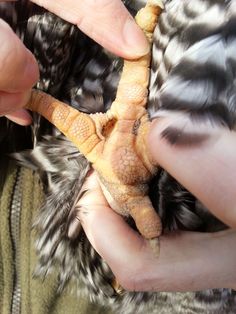
Bumblefoot symptoms appear in an order that helps you catch the problem early. Limping or favouring one leg is usually first, and it answers the limping question honestly, because bumblefoot is one cause of a limp and not the only one. Next comes a swollen, warm footpad, with redness around the spot, and then the tell tale round dark scab on the underside of the foot. Advanced cases show a hard swollen lump, a hen sitting more and eating less, and infection that can reach the bone or joints if ignored. Check both feet and say so to yourself as a rule, because early bumblefoot on the good leg is easy to miss while you are treating the limping one. Pick the hen up, turn her gently, and look at the underside of both feet in good light. Early cases may have a small scab with no limp at all, and those are the cases home care helps most.
| Stage | What you see | What to do |
|---|---|---|
| Early | Small scab and no limp or only a slight limp | Clean, protect and watch closely |
| Mild | Scab with swelling and a clear limp | Full home routine below, and a vet call if it does not improve |
| Advanced | Deep swelling, a hard lump, or a hen off her food | Vet, do not try home care alone |
Is It Bumblefoot or Something Else
Not every limp is bumblefoot, and not every swollen foot is an infection. A simple cut can make a hen limp for a day or two without any abscess forming, and a sprain from a bad landing can look similar at first. Gout is a different condition that can also swell the feet and legs, but it usually affects more than one foot and comes with other signs, so a hen with swollen feet on both sides and no scab needs a vet to sort out the cause rather than a home foot routine. The dark scab is the sign that points most strongly to bumblefoot, and warmth and swelling around that scab strengthen the case. If there is no scab, no warmth and no swelling, watch the hen for a day on clean dry bedding and check again, because a simple knock often settles on its own. If you are unsure, a vet check is always the safer call. See the sneezing guide for a related health check.
Home Treatment for Early Bumblefoot
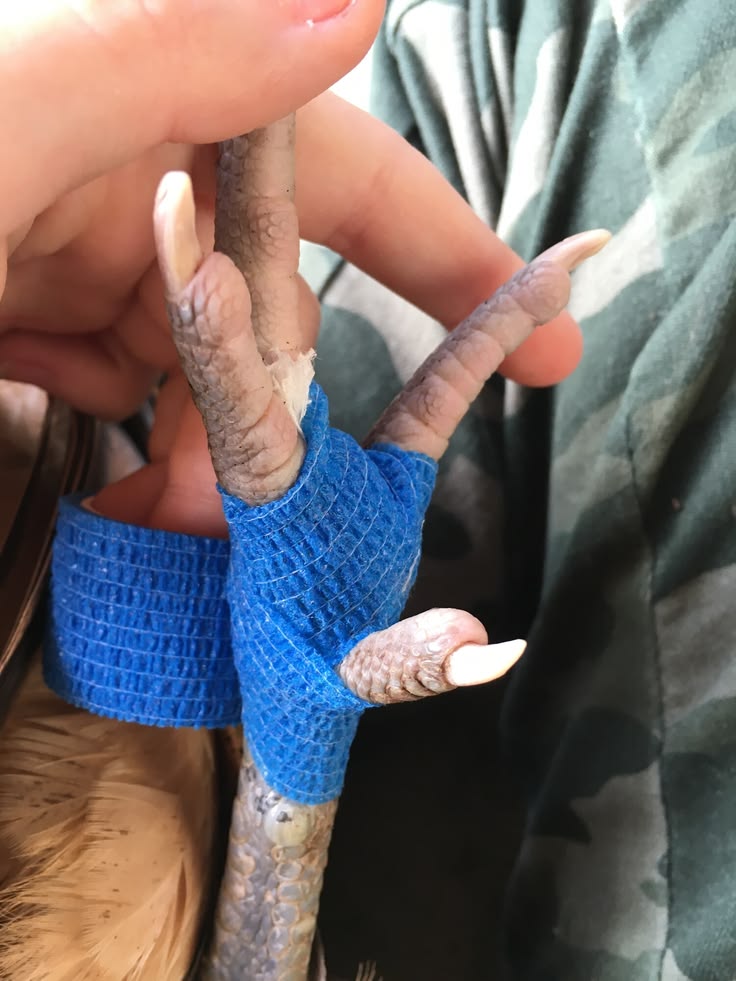
How to treat bumblefoot at home, safely, starts with one firm boundary. Home care is for early and mild cases only. The standard early routine is a warm Epsom salt soak to soften the scab, gentle cleaning of the foot, an antiseptic or plain antibacterial ointment with no pain relief additives, a clean non stick pad and a wrapped bandage that is snug and not tight, changed regularly, with the hen kept on clean dry bedding while it heals. Work in a calm, clean spot, with gloves on, and wash your hands after handling and cleaning, because the bacteria involved are common staph and basic hygiene protects you as well as the hen. Soak for a few minutes until the scab softens, clean gently without scrubbing hard, pat dry, apply the ointment and pad, then wrap firmly enough to stay on and loosely enough that the toes stay warm and pink. Change the bandage regularly, at least daily at first, and recheck the foot each time, because a bandage that slips, tightens or gets wet does more harm than good. Keep the hen on clean dry bedding while she heals, away from mud and wet litter, and watch her appetite, movement and droppings as well as the foot itself. A hen that keeps eating, moving and laying while her foot improves is on the right track, and a hen that goes quiet, stops eating or sits apart needs a vet even if the foot looks no worse.
What Never to Do at Home
The home guides that do real harm all share the same advice, and this article will not repeat it as instructions. Do not cut into the foot, do not dig out a core, and do not squeeze an abscess. Cutting a footpad open at home risks driving infection deeper, damaging tendons, and causing pain and bleeding that a hen cannot tell you about, and a squeezed abscess often leaves infected tissue behind while looking briefly better. Do not buy and dose antibiotics yourself, and do not use ointments with pain relief additives on a hen’s foot. A vet can drain an abscess properly, test what is growing, and prescribe antibiotics where they are actually needed, at the right drug and dose for that bird. Home dosing guesses at the drug, the dose and the course length, and it can mask a worsening infection until it is much harder to treat.
When a Vet Is Not Optional
Call a vet, promptly, if any of these are true.
- Deep swelling or a hard lump under the footpad
- Infection spreading up the leg, with redness or swelling above the foot
- A hen off her food, sitting apart, or clearly in pain
- A scab that does not soften after soaking, or no improvement after a week of clean care
- A foot that smells strongly, bleeds, or looks worse after a few days of home treatment
A vet visit for bumblefoot is not a failure of home care, it is the next step in the same care. The vet can open and drain the abscess under proper conditions, clean it thoroughly, and decide whether antibiotics are needed, and many hens that reach this stage still recover well with rest on clean bedding afterwards. Waiting longer in the hope that a deep case will turn around on its own is what turns a treatable infection into one that reaches bone or joints.
How Long Healing Takes and What Progress Looks Like
How long does bumblefoot take to heal? Weeks, not days, and the article should be honest about that from the start. An early case with a small scab may look better within a week, but full healing of the footpad, with the scab gone and the hen walking normally, usually takes several weeks of steady bandage changes and clean bedding. Progress looks like this, in order. Less swelling and warmth first, then a smaller, drier scab, then a hen that puts weight on the foot more willingly and limps less, and finally normal walking with no scab left. Setbacks look like renewed swelling, a bandage that keeps slipping, or a hen that goes off her food, and any of those means a vet call rather than a longer home routine. Keep a simple rhythm, soak and recheck when you change the bandage, note whether the swelling is up or down, and do not stop bandaging the day the limp fades, because the footpad underneath is still healing.
How to Prevent Bumblefoot
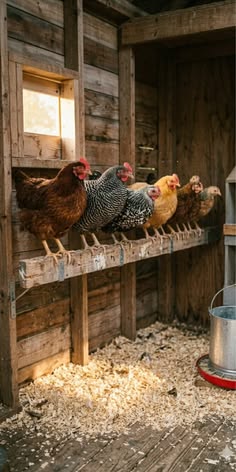
How to prevent bumblefoot is the lasting value of this article, because most cases are preventable with a few coop habits. Use smooth roost bars with no splinters, at a height heavy birds can manage without hard jumps, and check the bars regularly for rough edges. See the roost guide for bar height and spacing. Keep litter deep and dry, and keep the run cleared of sharp stones, wire ends and thorns. Prompt attention to small foot cuts stops the chain before bacteria get a foothold, so make a quick foot check part of handling any hen you pick up. Watch weight in heavy breeds, since heavy hens put more pressure on the footpad, and give them a ramp or lower roost rather than a high jump down to a hard floor.
Prevention is a weekly habit, not a one off fix. Walk the run, feel the roost bars, check the litter depth, and look at feet whenever you handle a hen, and most bumblefoot cases never get a chance to start. See the muddy run bedding guide and the free Starter Checklist.

FAQs
What are the first bumblefoot symptoms?
Limping or favouring one leg is usually first, followed by a swollen warm footpad, redness, and a round dark scab on the underside of the foot. Check both feet, because early bumblefoot on the good leg is easy to miss.
How do I treat bumblefoot at home?
Home care is for early and mild cases only. Soak the foot in warm Epsom salt water to soften the scab, clean gently, apply an antiseptic or plain antibacterial ointment with no pain relief additives, cover with a clean non stick pad, and wrap snugly, not tightly, changing the bandage regularly and keeping the hen on clean dry bedding. Healing takes weeks.
Is bumblefoot contagious to other chickens or to people?
Bumblefoot itself is not passed from hen to hen like a virus, but the bacteria involved are common staph in the environment, so a run with sharp hazards and wet litter can give several hens foot injuries at once. Wear gloves, wash your hands after handling, and clean any tools you use.
How long does bumblefoot take to heal?
Weeks, not days. An early case may look better within a week, but full healing usually takes several weeks of bandage changes and clean bedding. No improvement after a week of clean care means a vet call.
How can I prevent bumblefoot?
Smooth roost bars with no splinters at a height heavy birds can manage, deep dry litter, a run cleared of sharp stones, wire ends and thorns, prompt care for small foot cuts, and weight watching for heavy breeds. A quick foot check whenever you handle a hen catches most cases early.
Keep Reading

Nusrat
Author, TheChickenPet.com