
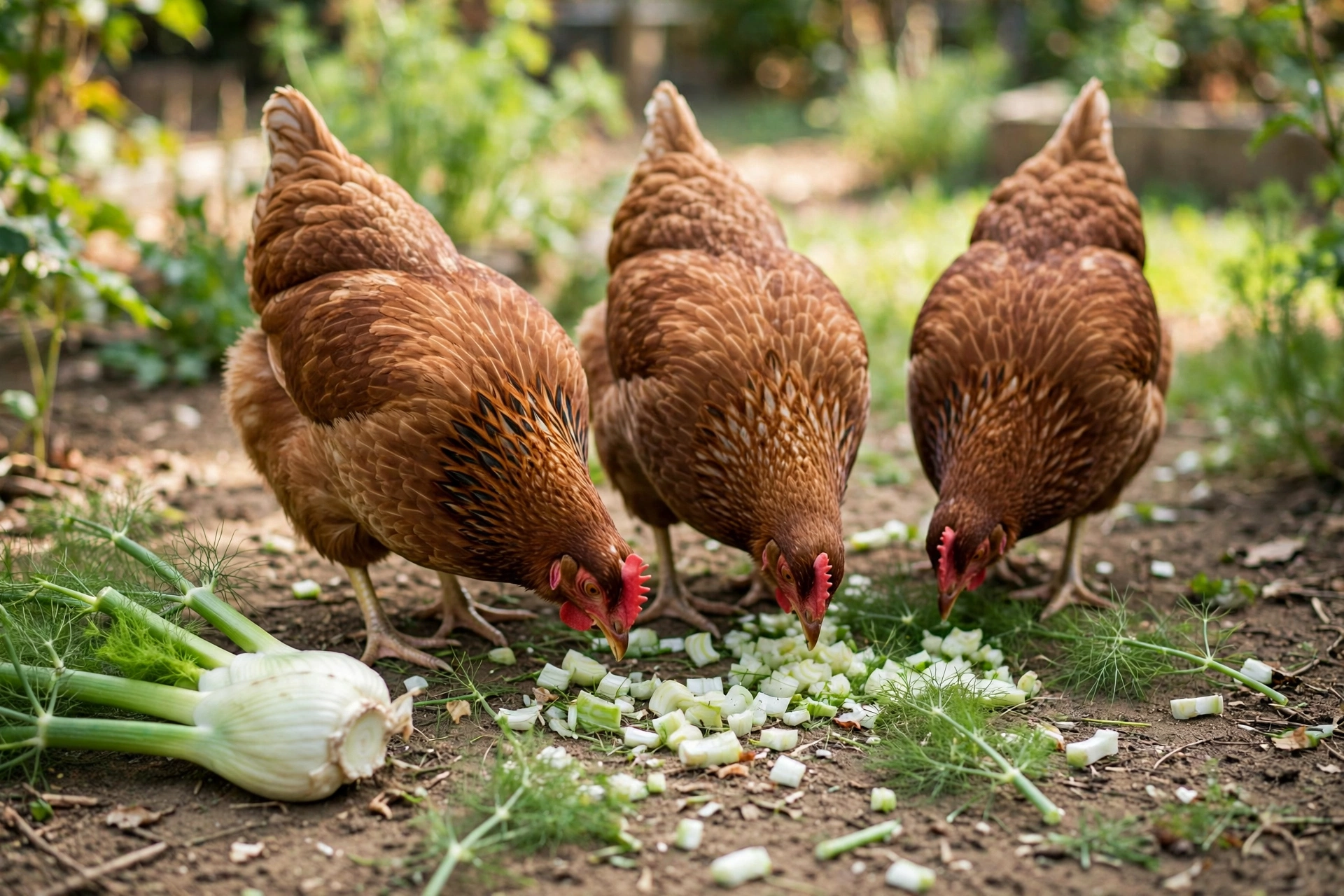
Yes, chickens can eat fennel, and the whole plant is usable, the crisp white bulb, the feathery green fronds and the small aromatic seeds. Our own food checker gives all three parts a Safe verdict, and hens usually enjoy them, especially the bulb chopped into pieces they can peck at. Fennel is atreat, not a feed, so the serving stays small, and two fennel lookalikes stay out of the run entirely. This guide covers each part of the plant in turn, how much to serve, the dog fennel and wild fennel warning, and the chick age rule.
Table of Contents
- The Short Answer. Yes, the Whole Plant Is Safe
- What the Food Checker Says. Four Safe Verdicts
- Fennel Bulb for Chickens. Chop It First
- Fennel Fronds for Chickens. The Feathery Tops
- Fennel Seeds for Chickens. Small Amounts Only
- Fennel Stalks and Flowers. What Else the Plant Offers
- How to Serve Fennel. Chopped, Torn and Scattered
- How Much and How Often. A Small Treat, Not a Meal
- Dog Fennel and Wild Fennel. The Two to Never Feed
- Fennel in the Garden and Coop. Growing It for Your Flock
- Can Baby Chicks Eat Fennel. Wait Until Four Weeks
- Fennel and Its Family. Celery, Parsnips and the Herb Rule
- FAQs
At a Glance. Fennel bulb, fennel fronds and fennel seeds are all Safe foods for chickens on our food checker. Chop the bulb before serving, offer fronds fresh and torn, and keep seeds to 1 to 2 teaspoons per bird. Dog fennel and wild fennel weeds are never fed.
The Serving Rule. A few chopped pieces of bulb or a small handful of fronds per bird is plenty, two or three times a week at most. Treats of every kind together should stay under about 10 percent of what your hens eat in a day.
The Honest Limit. Fennel is a treat with a mild aniseed flavour, not medicine and not a replacement for layer feed. Its value is variety and a little extra green in the week, and that is enough reason to offer it.
The Short Answer. Yes, the Whole Plant Is Safe
Can chickens eat fennel. Yes, they can, and fennel is one of the few garden vegetables where the whole plant is usable. The bulb is Safe, the fronds are Safe, and the seeds are Safe, all three on our own food checker. A hen can eat every part of a shop bought fennel bulb without any special preparation beyond chopping, and most hens will peck at it willingly once they get used to the mild aniseed smell.
Is fennel safe for chickens in general. Yes, true fennel is, and the checker backs that up across all three parts. The one thing to get right is the plant itself, because two weeds that share the name fennel are not safe at all, and they are covered in full in the warning section below. If the fennel came from a shop or from your own garden bed, and you know it is true fennel, it is safe. If it grew wild by a roadside and you are not sure what it is, leave it out.
What the Food Checker Says. Four Safe Verdicts
Our homepage food checker gives fennel a clear answer, and it is worth quoting exactly, because the checker is the same tool readers use on the site. For “fennel” the checker says SAFE, with the note “Chop the bulb; fronds fine too”. For “fennel bulb” it says SAFE, with the same note, “Chop the bulb; fronds fine too”. For “fennel fronds” it says SAFE, with the note “The feathery tops”. For “fennel seeds” it says SAFE, with the note “Small amounts, aromatic treat”. All four are genuine entries, confirmed live on the homepage and matched against the checker’s own data file. If you want the full safe and toxic list, read our guide to what can chickens eat.
| Part | Checker verdict | Checker note |
|---|---|---|
| Fennel bulb | Safe | Chop the bulb; fronds fine too |
| Fennel fronds | Safe | The feathery tops |
| Fennel seeds | Safe | Small amounts, aromatic treat |
| Plain “fennel” | Safe | Chop the bulb; fronds fine too |
The plain “fennel” result deserves one line of explanation. The checker returns the bulb note for the plain word too, because the bulb is the part most people mean when they say fennel. That is not a fallback to a different food. It is the same Safe verdict on the same plant, and the fronds and seeds entries stand on their own as well.
Fennel Bulb for Chickens. Chop It First
Can chickens eat fennel bulb. Yes, and the bulb is the part your hens will probably like most. A fennel bulb is crisp, pale and juicy, with a mild aniseed flavour that is much gentler than the strong smell of fennel seed. Hens peck at chopped pieces readily, and the bulb gives them something firm to work at, which keeps them busy for a few minutes in the run.
Chop the bulb before serving, because a whole bulb is too big and too firm for a hen to break apart on her own. Cut it into bite sized pieces, about the size of a grape or smaller, and scatter them in the run or in a shallow dish. The checker note says it plainly, “Chop the bulb; fronds fine too”, and the chopping is the only preparation the bulb needs. Raw fennel bulb is fine, and there is no need to cook it, though lightly cooked bulb is fine too if you have leftovers from the kitchen, as long as they are plain with no salt, butter, sauce or seasoning.
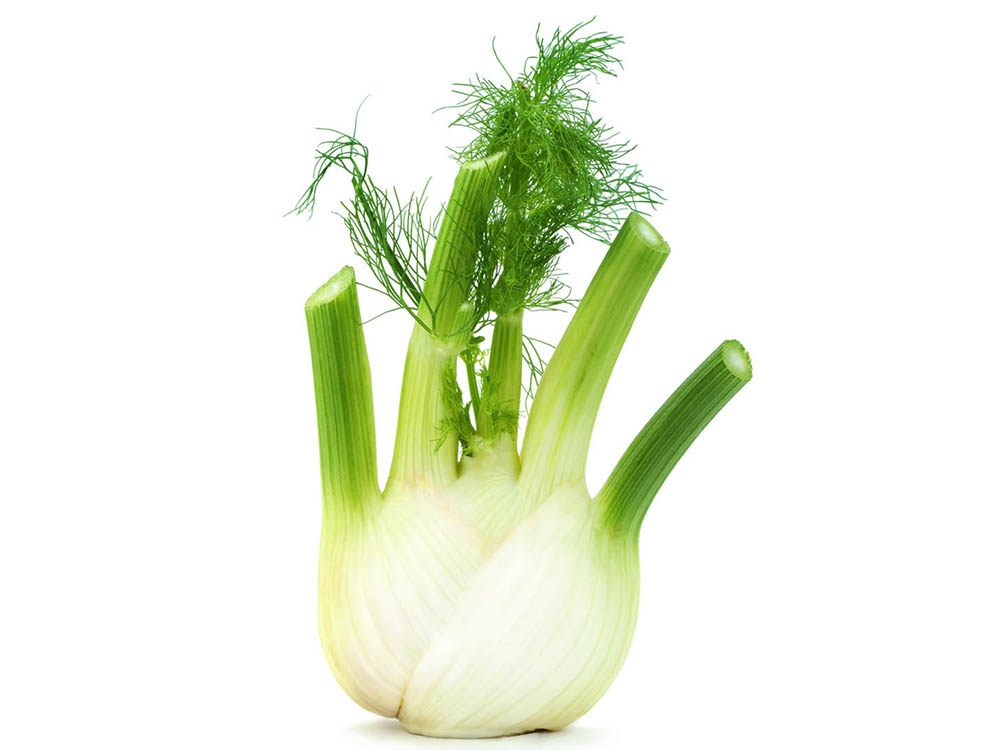
A fennel bulb brings small amounts of vitamin C, potassium, fibre and water, and it is low in calories, so it is a light treat that will not put weight on a hen. The outer layers can be a little tough, so peel off any dry or browned outer layer before chopping, and throw away any part that has gone soft or mouldy. A quarter of a bulb per bird is a generous serving, and most keepers will find that a single bulb shared across a small flock is plenty for one treat session.
Fennel Fronds for Chickens. The Feathery Tops
Can chickens eat fennel leaves. Yes, and the feathery leaves at the top of the plant are called fronds, so this is the same question. The checker says fennel fronds are Safe, with the note “The feathery tops”, and fronds are the easiest part of the plant to feed, because they need no chopping at all. Tear off a few feathery sprigs and scatter them in the run, and the hens will pick through them at their own pace.
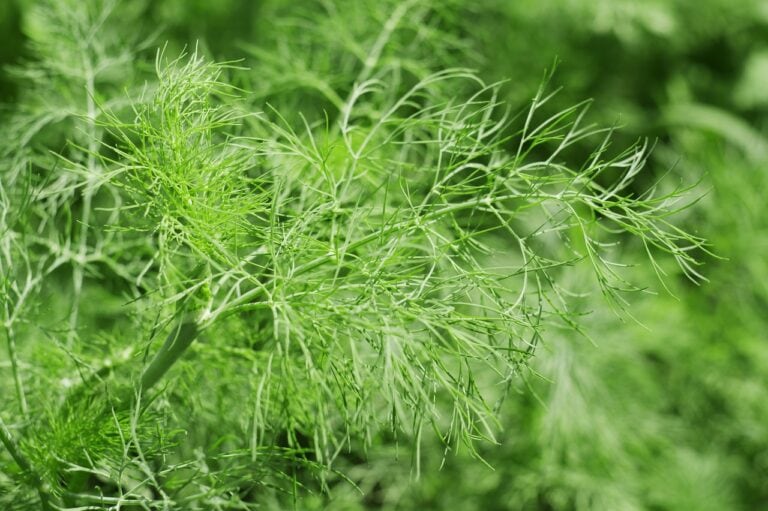
Fronds look like dill, and they taste milder than the seeds, with only a faint aniseed note. Hens that turn their beaks up at strong herbs often accept fennel fronds straight away, because the leaves are soft and easy to tear apart. Fronds are also the part of the plant you will have most of, because a single fennel bulb comes with a generous tuft of them, and a fennel plant grown for its leaves produces fronds all season.
Serve fronds fresh and unsprayed, and give them a quick rinse if they are dusty. Dried fronds are fine too in small amounts, sprinkled over feed, though fresh is better, because the hens can peck at the soft leaves properly. Never serve fronds that have been sprayed with pesticide or fertiliser, and never serve fronds from a plant you cannot name with confidence, because the feathery tops of dog fennel look similar at a glance, and that weed is covered in the warning section below.
Fennel Seeds for Chickens. Small Amounts Only
Can chickens eat fennel seeds. Yes, but this is the part where the amount matters most. The checker says fennel seeds are Safe, with the note “Small amounts, aromatic treat”, and the note is the whole rule. Fennel seeds are strongly flavoured, with a clear aniseed taste, and a little goes a long way. The brief for this article sets the serving at 1 to 2 teaspoons per bird, and that is the amount to follow.
Scatter the seeds over feed or in a shallow dish, and mix them in lightly so the hens find them while they peck. Do not offer a whole bowl of seeds, because the strong flavour can put hens off their feed, and seeds are the most concentrated part of the plant. A small sprinkle two or three times a week is plenty, and there is no need to grind them, because hens can manage whole seeds easily with grit in the gizzard.
Fennel seeds are the part of the plant with the strongest reputation among keepers, and it is often overstated. Some keepers offer fennel seeds as a digestive aid, and fennel has a long history in folk use for digestion, but a few seeds in the run are not a medicine, and they do not replace clean water, good feed, a dry coop and a vet when a bird is actually ill. Think of the seeds as a strongly flavoured treat with a good reputation, not as a cure.

Fennel Stalks and Flowers. What Else the Plant Offers
The bulb, the fronds and the seeds get the attention, but the rest of the plant is usable too. Fennel stalks are Safe, and they can be chopped into short pieces and scattered with the bulb, because they have the same crisp texture and mild flavour. The stalks are a little tougher than the bulb, so cut them small, about a centimetre long, and leave out any part that is dry or woody.
Fennel flowers are Safe too, and hens will peck at the small yellow flower heads if you offer them. The flowers appear in summer on tall fennel plants grown for seed, and they carry the same mild aniseed scent as the rest of the plant. Offer only a few flower heads at a time, and make sure they come from an unsprayed plant, because flowers hold spray residue more than leaves do.
One part to leave out is the root. Fennel roots are tough and fibrous, and hens cannot manage them, so there is no reason to offer them. The root is not a safety problem, it is a practical one, and the bulb, fronds, stalks, flowers and seeds give you more than enough of the plant to share with the flock.
How to Serve Fennel. Chopped, Torn and Scattered
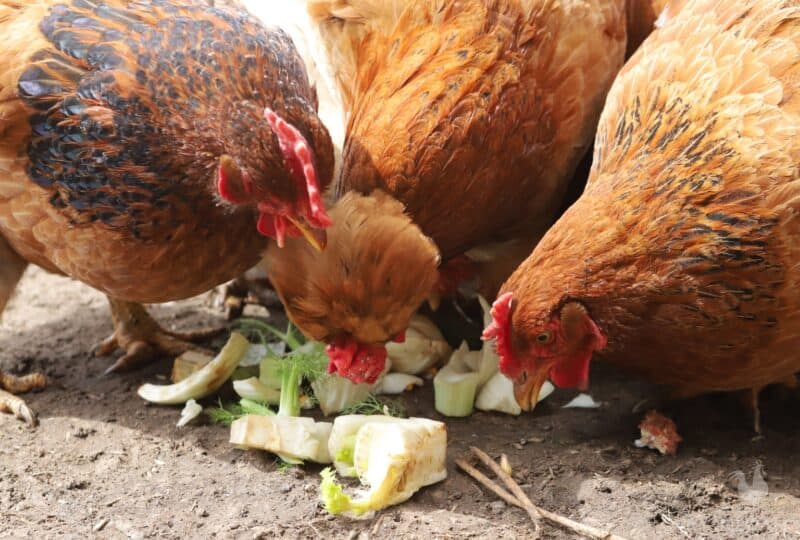
How to serve fennel to chickens is simple, and the steps are the same each time. Wash the bulb and fronds if they are dusty, chop the bulb into bite sized pieces, tear the fronds into short sprigs, and scatter everything in the run or in a shallow dish. Scattering keeps the flock moving and pecking naturally, and it stops the push and shove that a single pile always causes.
Seeds need a different touch. Sprinkle 1 to 2 teaspoons per bird over the feed or into a treat bowl, and mix them in lightly. Do not serve seeds in a pile of their own, because the strongest flavoured hens will eat them all and the rest will get none, and the point of a treat is that the whole flock gets a little.
A few rules apply to every part of the plant. Never serve fennel that has been sprayed with pesticide, herbicide or fertiliser, and wash leaves from a garden that sits near a road. Never serve fennel in sauce, oil, butter, dressing or seasoning, because the extras are the problem, not the fennel. Never serve fennel that has gone slimy or mouldy. And never offer a plant you cannot name with confidence, because the safe fennel and the unsafe lookalikes share the same feathery shape, and a wrong guess is not worth the risk.
How Much and How Often. A Small Treat, Not a Meal
Fennel is a treat, not feed, and the amount matters as much as the choice of part. A good serving is a few chopped pieces of bulb or a small handful of fronds per bird, offered two or three times a week at most. Seeds stay at 1 to 2 teaspoons per bird, and only once or twice a week, because they are the strongest flavoured part. Treats of every kind together should stay under about 10 percent of what your hens eat in a day, because layer feed is what makes eggs, and treats only dilute it.
Fennel is mostly water and fibre, so it is low in calories, and a small serving will not put weight on a hen. The real risk of overfeeding fennel is different. The aniseed flavour is strong, and too much of it can put hens off their feed, so a hen that fills up on fennel may eat less of the layer feed she actually needs. That is why the serving stays small, even though every part of the plant is safe.
Rotate fennel with the other treats in the programme rather than serving it every day. A few pieces of fennel bulb on Monday, some fronds on Wednesday, and a sprinkle of seeds on a Saturday gives the flock variety without turning any one food into a daily habit. If you want another treat to rotate with fennel, the feeding series has plenty, and the same small serving habit applies to all of them.
Dog Fennel and Wild Fennel. The Two to Never Feed
This is the most important section in the article, because the name fennel covers more than one plant, and two of them are not safe. Dog fennel is not a true fennel at all. It is a tall weed with fine feathery leaves that look like fennel fronds at a glance, and it contains compounds that are toxic to poultry. Dog fennel grows wild in warm regions, and it is the plant most often confused with true fennel by keepers who pick greenery from field edges.
Wild fennel is the second warning. True wild fennel is the same species as garden fennel, but a plant picked from the wild cannot be trusted, because you cannot be sure it is true fennel and not dog fennel, and because roadside and field edge plants are often sprayed. This article follows the brief for this food and says plainly, do not feed fennel from the wild. Buy it from a shop or grow it in your own garden bed, where you know what it is and what has been sprayed on it.
How to tell them apart. True fennel has a thick white bulb at the base when it is grown for the bulb, or a stout stem with a clear aniseed smell when the leaves are crushed. Dog fennel has no bulb, no aniseed smell, and a taller, woodier stem, and its leaves smell sharp and unpleasant when crushed, not sweet like aniseed. If a plant has no bulb and no aniseed smell, do not feed it. If you are in any doubt at all, leave it out. A missed treat costs nothing, and a wrong plant can cost a hen.
Fennel in the Garden and Coop. Growing It for Your Flock
Fennel is an easy plant to grow for a flock, and it earns its place in a chicken garden. Florence fennel, also called bulb fennel, is the kind grown for the bulb, and it is ready to harvest in about three months from sowing. Leaf fennel and seed fennel are grown for their fronds and seeds, and they will keep producing all season if you pick them regularly. All three are the same species, so the checker verdicts apply to all of them.
Grow fennel in a sunny spot with well drained soil, and give each plant room, because fennel grows tall, often over a metre, and it does not like to be crowded. Water it in dry weather, because a thirsty fennel bulb goes woody and tough. Harvest the bulb when it is about the size of a tennis ball, before it gets too big, and cut the fronds as you need them through the season.
Fennel has a second life beyond the feed bowl. A few fresh fronds hung in the coop give the hens something to peck at, and they add a light aniseed scent without any spray or chemical. Dried fronds can go into the dust bath too, mixed in with the usual dust bath ingredients, and our guide to how to make a dust bath for chickens covers the mix itself. Keep the amounts small, and use only untreated fennel with no spray or added scent. One honest limit belongs here. Fennel in the coop does not treat mites or keep rats away on its own, and a keeper who relies on it alone will still have pests. Herbs are a pleasant extra, not a cure.
Can Baby Chicks Eat Fennel. Wait Until Four Weeks
Can baby chicks eat fennel. Yes, but only after they are about four weeks old, and only as tiny pieces of soft fronds. Chicks under four weeks should eat starter feed only, because their digestion is still developing, and they need the balanced nutrition in the starter to grow properly. A strong flavoured food like fennel is too much for a very young chick, even in a small amount.
When your chicks are old enough for treats, offer only a few tiny pieces of soft fresh fronds, about a pinch per chick, and only once in a while. The fronds must be torn small, because a chick cannot manage a whole sprig. Do not offer fennel seeds to young chicks, because the strong flavour is too much for them, and the seeds are best kept for adult birds. Always have chick grit available when you offer any treat, because chicks need grit in their gizzard to grind food that is not starter crumb.
Never give chicks fennel from the wild, dog fennel or any plant you cannot name, and never hang strong herbs in a closed brooder, because the scent can overwhelm a small chick in a small space. Most keepers will find it simpler to wait until the chicks are six weeks old before offering fennel at all, and there is no rush. Starter feed is the right food for young birds, and treats can wait.
Fennel and Its Family. Celery, Parsnips and the Herb Rule
Fennel belongs to the same plant family as celery and parsnips, the Umbelliferae family, and the family link is useful, because the same serving habits carry across. Our guide to celery explains the chopping rule for a crisp stalk vegetable, and our guide to parsnips covers the other root in the family. If your hens like fennel, they will probably like both of those too, and all three follow the same rule, chop it small, serve it fresh, and keep the serving modest.
Fennel also sits beside the herb articles, and the herb rule applies to it as well. Our guide to herbs covers oregano, basil and mint, and the fresh leaves only rule from that guide is the one to follow here too. Fresh leaves and fresh fronds are the safe form, and concentrated oils, sprays and unknown wild plants are not. Fennel is not a herb in the kitchen sense, but it behaves like one in the run, and the same caution about strong flavours and small servings applies.
FAQs
Can chickens eat fennel.
Yes. Our food checker gives fennel a Safe verdict, and the bulb, the fronds and the seeds are all Safe too. Chop the bulb into bite sized pieces, tear the fronds and scatter them, and keep seeds to 1 to 2 teaspoons per bird. Do not feed dog fennel or fennel picked from the wild.
Is fennel safe for chickens.
Yes, true fennel is safe. Our food checker says the bulb, the fronds and the seeds are all Safe. The danger is not fennel itself but the two lookalikes, dog fennel, which is toxic, and wild fennel weeds, which cannot be trusted. Buy fennel from a shop or grow it yourself, and never feed a feathery plant you cannot name.
Can chickens eat fennel seeds.
Yes, in small amounts. Our food checker says fennel seeds are Safe, with the note “Small amounts, aromatic treat”. Serve 1 to 2 teaspoons per bird, sprinkled over feed or in a treat bowl, once or twice a week. Do not offer a whole bowl of seeds, because the strong aniseed flavour can put hens off their feed.
Can chickens eat fennel leaves.
Yes. The feathery leaves at the top of the plant are called fronds, and our food checker says fennel fronds are Safe, with the note “The feathery tops”. Tear off a few sprigs and scatter them in the run. Serve them fresh and unsprayed, and do not confuse them with dog fennel, which has similar looking leaves and no aniseed smell.
Can baby chicks eat fennel.
Yes, but only after they are about four weeks old, and only as tiny pieces of soft fresh fronds, about a pinch per chick. Chicks under four weeks should eat starter feed only. Do not offer fennel seeds to young chicks, and always have chick grit available when you offer any treat.
Can chickens eat fennel bulb raw.
Yes. Raw fennel bulb is fine, and there is no need to cook it. Chop it into bite sized pieces first, because a whole bulb is too big and too firm for a hen to break apart. Lightly cooked bulb is fine too, as long as it is plain with no salt, butter, sauce or seasoning.
If you are just starting out with backyard chickens, grab our free starter checklist and keep it by the coop for those first weeks of trying new treats.
For another fun kitchen scrap treat, read our guide to pasta and see how to serve it cooked and plain.

Nusrat
Author, TheChickenPet.com