
Chicken Breeds
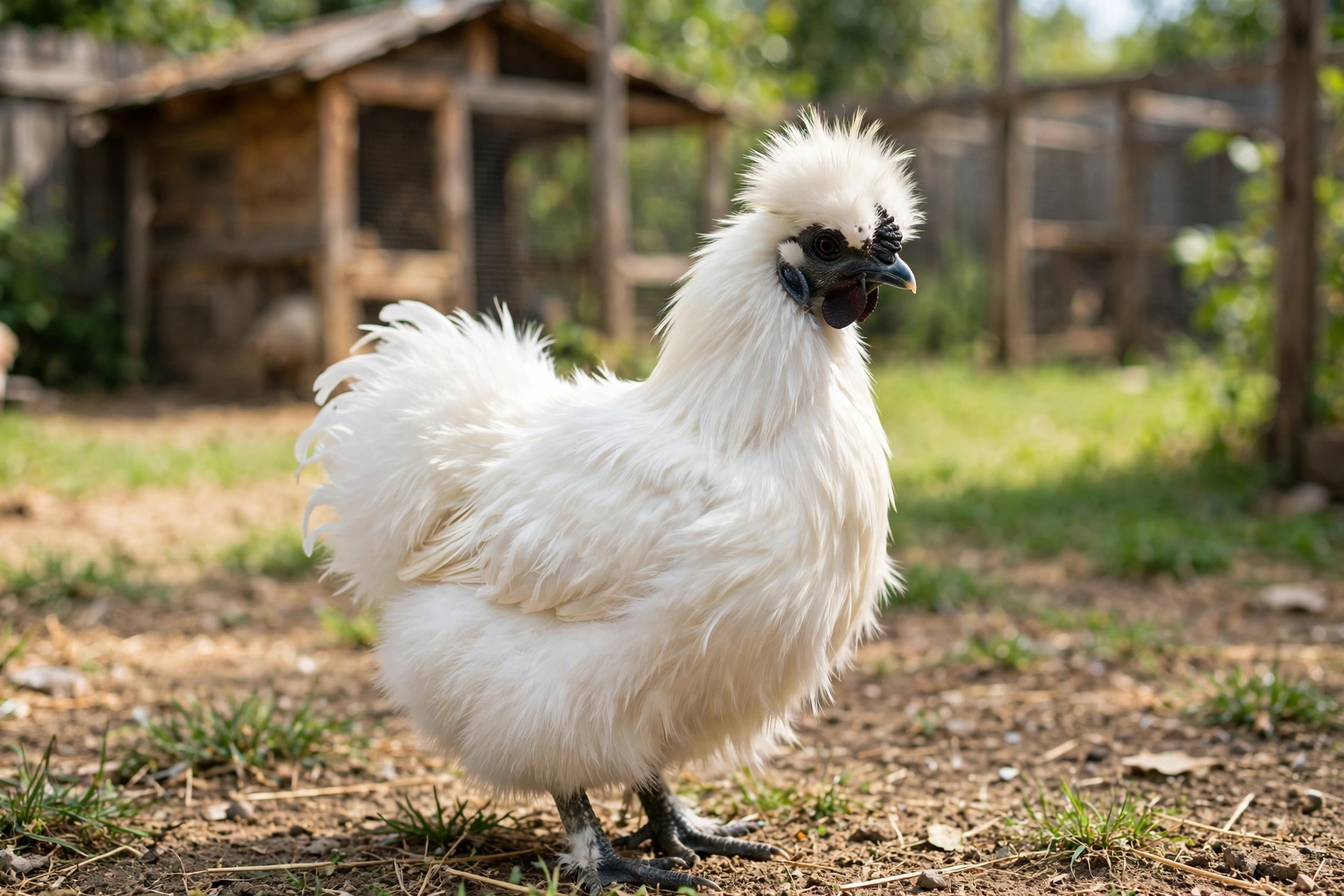
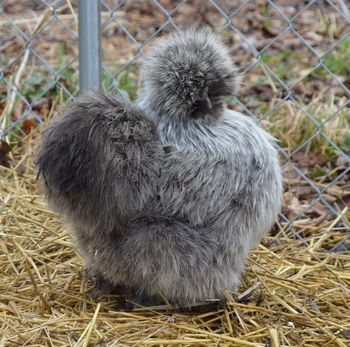
A Silkie is the breed people choose when they want a pet first and a layer second. She follows you around the run, sits for a cuddle and raises chicks that are not even hers. So how long do silkie chickens live? Longer than many new owners expect. A well kept Silkie is a companion for the better part of a decade, and the care choices in her first years decide whether she reaches it.
This guide gives the settled lifespan range first, then the reasons some Silkies never get near it, and then the six care habits that protect the years she should have. Every figure below matches our Friendliest Breeds guide, where the Silkie already has her place as one of the friendliest pet breeds.
Table of Contents 7 sections
At a Glance: Silkies live 7 to 9 years on average with normal backyard care. With excellent care they can reach double digits, and 10 years or more is a realistic hope for a well kept pet.
Egg Laying: A Silkie lays about 100 to 120 small cream eggs a year. Laying starts late, at about 7 to 9 months old, and tapers off as she ages.
Good to Know: Silkie feathers are not waterproof and Silkies cannot fly. Keeping a Silkie dry, safe from predators and checked often for parasites does more for her lifespan than any supplement.
The Short Answer. 7 to 9 Years, and Into Double Digits With Great Care
The average silkie chicken lifespan is 7 to 9 years in a backyard flock. That is the range the main breed guides agree on, and it is a good, honest planning figure. Keep a Silkie really well and she can pass 10 years, with the oldest pet Silkies occasionally reaching their early teens.
Treat 7 to 9 years as the promise and double digits as the reward for good care. Nothing in this article widens that range, because a lifespan figure you can trust is worth more than a bigger one you cannot.
Silkie Lifespan at a Glance
Silkies are bantams by nature, even though a larger strain exists in some countries, and size changes the picture less than care does.
| Type | Average lifespan | With excellent care |
|---|---|---|
| Bantam Silkie, the common pet form | 7 to 9 years | 10 years or more |
| Large fowl Silkie, where that strain is kept | 7 to 9 years | 10 years or more |
Do silkie hens live longer than roosters? No reliable difference is documented. Hens and roosters kept in the same conditions tend to reach similar ages, and the risks that shorten a Silkie’s life, wet weather, predators and parasites, do not spare either sex. If your rooster seems hardier or your hen seems frailer, that is the individual bird and her conditions, not a rule of the breed.
Why Some Silkies Die Young
Most Silkies that die young are not unlucky. They meet one of a short list of risks that this breed handles worse than other chickens.
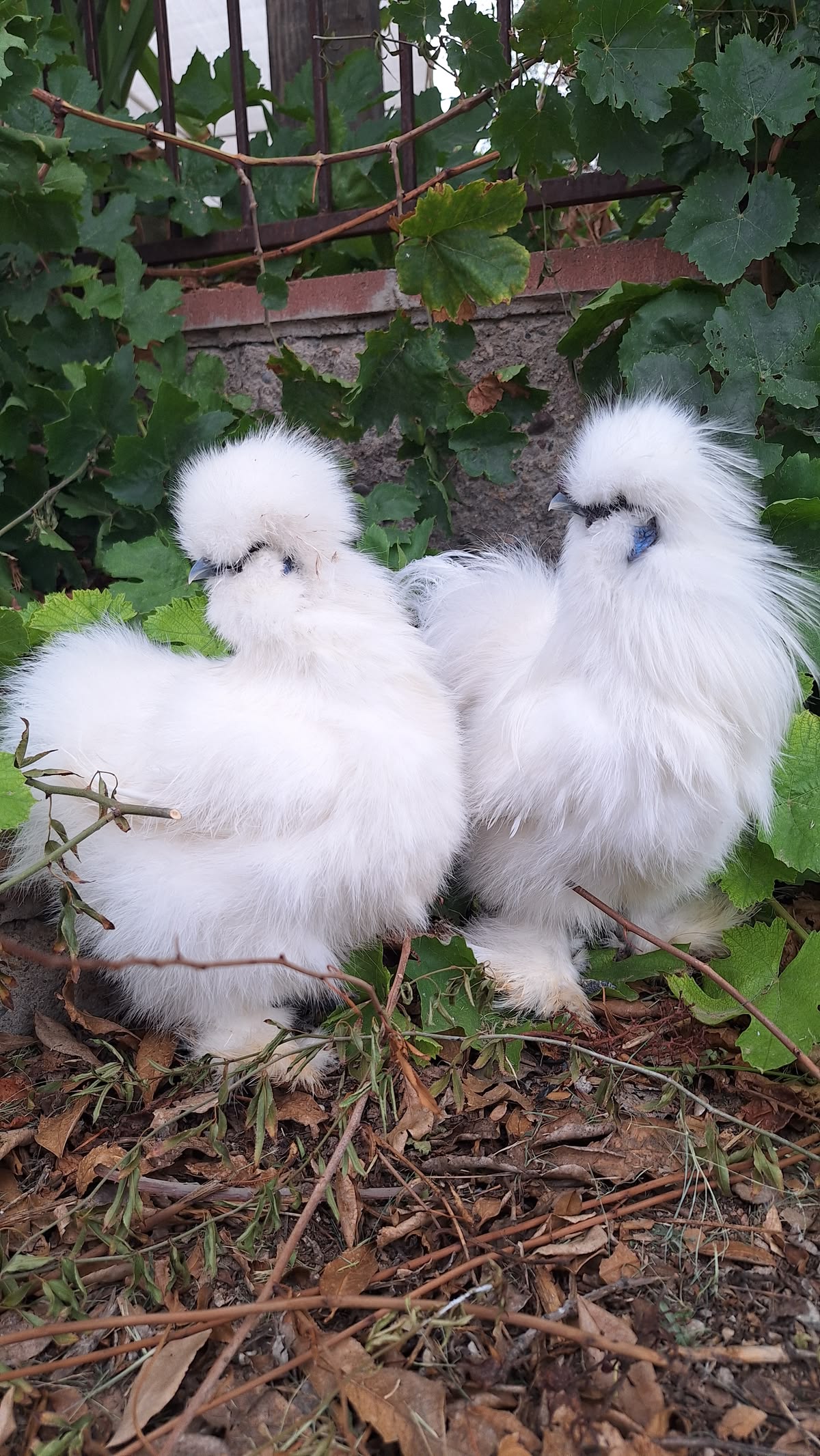
- Wet and cold. Silkie feathers lack the tiny hooks that zip normal feathers together, so the plumage stays fluffy and soaks up water instead of shedding it. A soaked Silkie in cold wind chills fast.
- Predators. A Silkie cannot fly, and her crest can limit what she sees above her. She cannot escape a dog or a hawk the way a sleeker breed sometimes can.
- Bullying. Silkies are gentle and often sit low in the pecking order. Harder breeds can pluck, chase and keep a Silkie away from food.
- Parasites hiding in the fluff. Mites and lice settle into a crest and foot feathers where you cannot see them at a glance.
- Marek’s disease. Silkies are often named among the breeds more susceptible to it, which is why vaccinated chicks are worth asking your hatchery or breeder about.
None of these risks is a reason to avoid the breed. Each one has a simple care answer, and the next section is built from them.
6 Ways to Help Your Silkie Live Longer
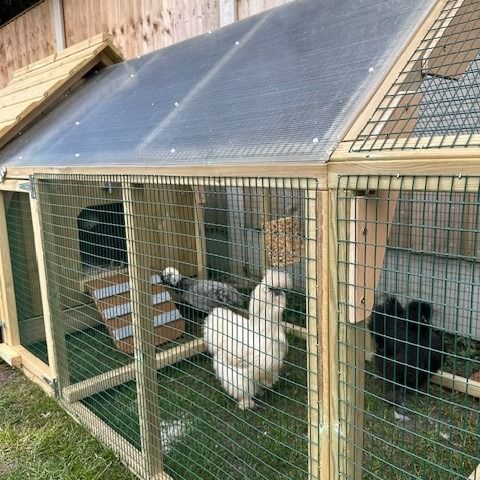
- Keep her dry. Give the flock a covered run area and dry bedding, and bring a soaked Silkie in to be towelled or gently blow dried. Dry is the single biggest lifespan habit for this breed.
- Predator proof properly. A bird that cannot fly cannot escape, so a secure coop and a covered run do the work her wings cannot. Keep free ranging supervised where dogs or hawks are around.
- Keep at least two Silkies together. A pair of gentle birds holds its own far better than one Silkie alone among larger, harder breeds, and a companion of her own kind is also company she understands.
- Check under the fluff. Part the crest and foot feathers with your hands every week or two and look for mites and lice. The 60 second health check habit in our Chicken Care & Health guide works well for Silkies when you slow it down for the hidden places.
- Keep everything low. Silkies are poor jumpers and many prefer to sleep in a pile on the floor, which is normal for the breed. A low roost bar and a low nest box stop the falls and leg injuries that come from high fittings.
- Hold the steady basics. Layer feed once she is laying, clean water every day, grit and a calcium source available, and treats inside the usual 10 percent of the diet. Our free starter checklist covers those basics in the order a new keeper needs them.
What to Expect as a Silkie Ages
When is a silkie old? From about 6 years onward most keepers start to see the senior signs, and by 7 to 9 years a Silkie is an elderly hen even when she is still bright and busy.
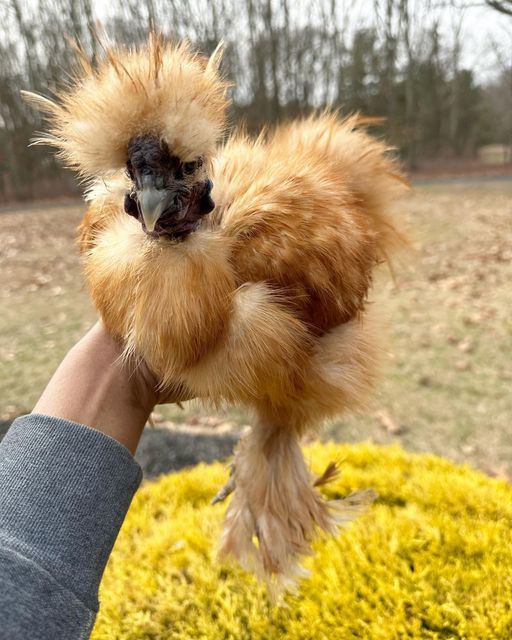
Signs of an ageing silkie are gentle ones at first. She moves a little slower to the treat dish. Her laying, never heavy to begin with, tapers to occasional eggs and then stops. She naps more, moults can take longer, and she may claim the sunniest corner and defend it by simply refusing to move.
An old Silkie is not a spent hen. She is a retired pet, and the job changes from eggs to comfort. Keep her dry, keep her with her friends, lift her down if she still tries the high perch, and let her keep her place in the flock she helped raise.
How Old Do Pet Silkies Get?
How long do silkie chickens live as pets indoors or in a backyard makes little difference on its own. A house Silkie is safe from weather and predators, and a backyard Silkie gets more ground, more company and more natural behaviour. Either home reaches the same 7 to 9 year average when the dry, safe and checked basics are in place, and either home can produce a bird past 10.
And the oldest silkie chicken of all? No official record is kept, so any exact record age you see shared online is a story rather than a verified fact. Keeper reports of Silkies reaching 12 or 13 years do exist, and they are believable for a pampered pet, but they stay anecdotes. Plan on a decade of good care and enjoy every year past it as a bonus.
FAQs
What is the average silkie chicken lifespan? 7 to 9 years with normal backyard care. With excellent care a Silkie can reach double digits, and well kept pets occasionally reach their early teens.
How old do pet silkies get indoors? About the same as backyard Silkies, 7 to 9 years on average and 10 or more with great care. Being indoors removes weather and predator risks, and regular handling means health problems get spotted early.
Do silkie hens live longer than roosters? No reliable difference is documented. Sex matters far less than staying dry, staying safe from predators and being checked often for parasites.
Why do silkies die young? Usually one of a few breed specific risks. Their feathers are not waterproof so they chill when wet, they cannot fly away from predators, they get bullied by harder breeds, and parasites hide in their fluff where they are easy to miss.
When is a silkie considered old? From about 6 years onward the senior signs start, and a Silkie of 7 to 9 years is an elderly hen. Laying tapers off, moults take longer and she rests more, while staying very much part of the flock.
