
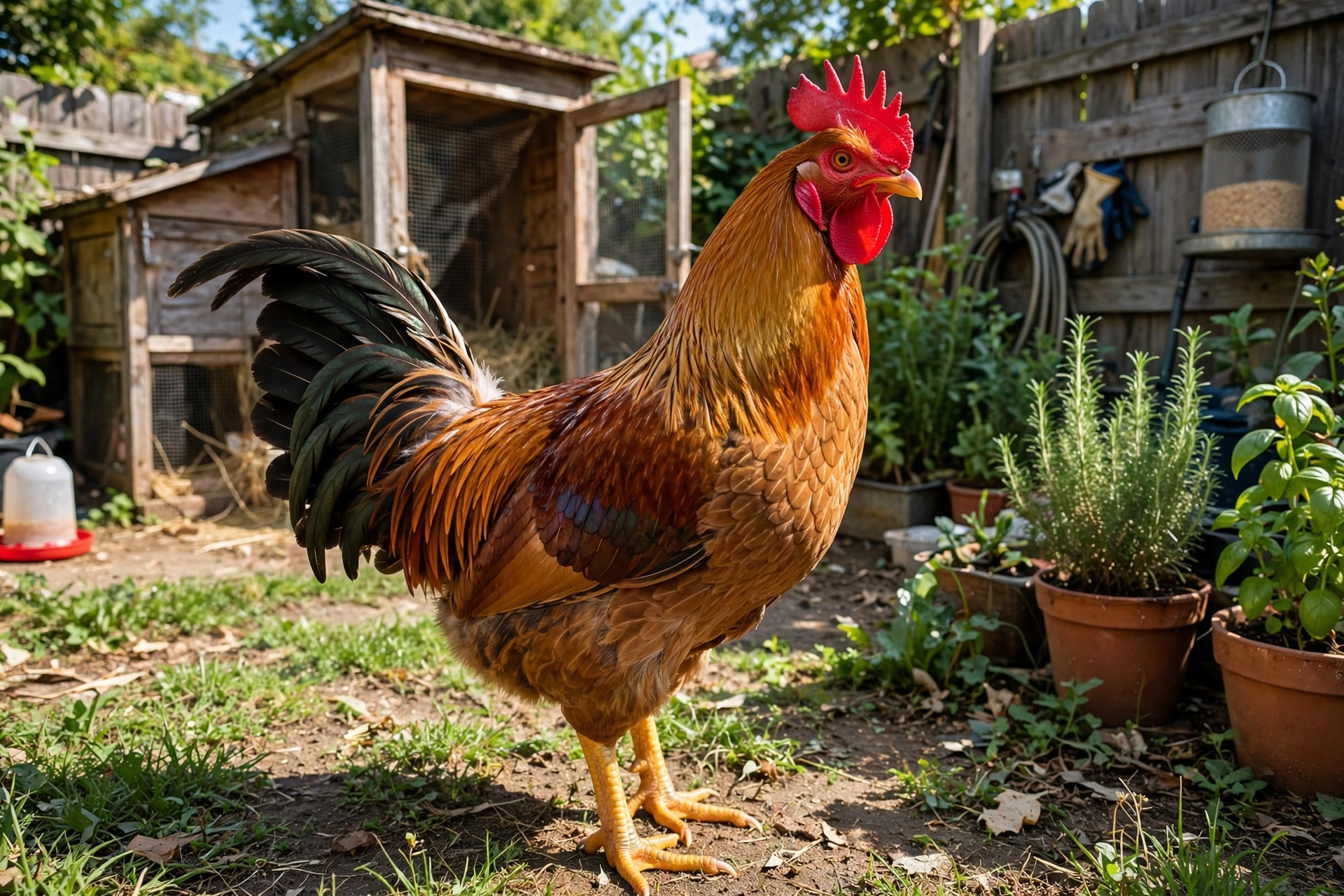
A rooster that charges at you across the yard is frightening, and it is also normal rooster behaviour taken too far. A rooster’s job, as he sees it, is to guard his hens, and some roosters decide that you are the threat. The good news is that most aggressive roosters can be managed with calm handling, a barrier and clear rules, and the ones that cannot be managed can be separated or rehomed. This guide covers why roosters turn aggressive, how to stay safe, the calm method that works, the mistakes that make it worse, and how to decide when a rooster has to go.
Table of Contents
- The Short Answer. Stay Calm, Use a Barrier, Never Fight Back
- Why Roosters Turn Aggressive
- Stay Safe First. What to Wear and Carry
- The Calm Handling Method Step by Step
- What Makes an Aggressive Rooster Worse
- Aggressive Rooster Around Children
- When to Separate or Rehome
- Do You Even Need a Rooster
- Aggression or Normal Rooster Behaviour
- FAQs
Roosters guard their hens and some decide people are the threat. Most can be managed, but a mature rooster that keeps charging, flogging or spurring is a safety problem.
Calm slow movement, a barrier between you and the bird, protective clothing, and handling only when it can be done safely. Never kick, hit or chase.
If he keeps attacking after weeks of calm handling, if children are at risk, or if he draws blood, separate him and rehome him.
The Short Answer. Stay Calm, Use a Barrier, Never Fight Back
Stay calm, keep a barrier between you and the bird, and never fight back. That is the whole method in one sentence, and everything else in this guide is detail around it. A rooster that charges you is not evil and he is not broken. He is doing the job his instincts tell him to do, protecting his hens from something he sees as a threat. Fighting him, kicking him or chasing him teaches him that you are a rival to be beaten, and it makes the next attack worse. Calm handling teaches him the opposite, that you are not a rival and not worth charging. So the rule is simple. Move slowly, carry a barrier, wear protective clothing, and do not react when he postures. If he does attack, block with the barrier and walk away. If calm handling does not work after a few weeks, the answer is separation or rehoming, not a harder fight.
Why Roosters Turn Aggressive
Roosters turn aggressive for reasons that make sense to a rooster. The most common is hormones. A young cockerel of about 4 to 6 months old is finding his place in the flock, and his first charges are often clumsy tests. Many settle down as they mature, and many do not. The second reason is the hens. A rooster guards his hens, and he is most aggressive when the hens are near, when a hen is laying, or when you pick a hen up. To him, you are taking his hen, and he reacts the way a guard animal reacts. The third reason is learned behaviour. If a rooster charged you once and you ran, he learned that charging works. If you kicked him and he backed off, he learned that you are a rival who must be fought. Both lessons make the next attack more likely, which is why the response matters more than the first charge. Breed and size play a part too, but they do not decide it. Some breeds are known for calm roosters and some for sharp ones, yet any rooster can turn aggressive, and a calm breed is no guarantee. Our guide to taming a chicken covers the calm handling side for hens, and the same slow patient approach is the starting point here.
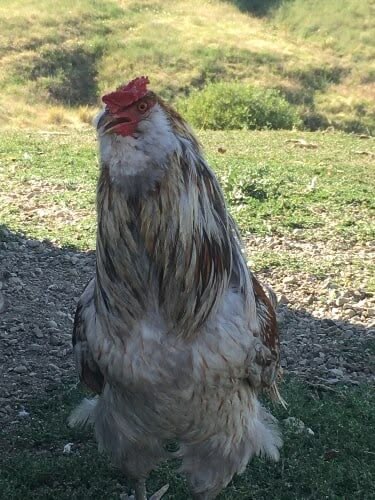
Stay Safe First. What to Wear and Carry
Before you try to change a rooster’s behaviour, protect yourself. A rooster’s spurs are sharp, his wings can bruise, and his beak can cut skin. A child can be hurt badly, and an adult can be cut badly enough to need treatment. Wear long trousers, closed boots, and gloves when you go into the run. Long sleeves help too. The boots matter most, because a rooster attacks low, at the legs and ankles, and a spur through thin shoes is a real injury. Carry a barrier every time you enter the run. A flat board, a feed sack, an old towel, or a plastic bin lid all work. Hold it low, between your legs and the bird, and let him hit the barrier instead of you. Do not wave it at him and do not use it to hit him. It is a shield, not a weapon. Walk slowly and steadily. Fast movement excites a rooster, and running away teaches him that charging works. If he comes at you, stand your ground behind the barrier, then walk away calmly. Never turn your back on an aggressive rooster, and never let children enter the run alone while a rooster is charging people.
The Calm Handling Method Step by Step
The calm method works slowly, over days and weeks, not in one afternoon. It has four steps, and you repeat them every time you enter the run. First, enter calmly. Walk in slowly with your barrier, and do your jobs without rushing. Scatter feed, check water, collect eggs, and leave. Do not stare the rooster down and do not make sudden movements. You are showing him that your visits are boring and safe. Second, hold your ground. When he postures, puffs his hackles or circles you, stay still behind your barrier and wait. Do not step back, because stepping back is the reward he wants. When he loses interest and walks away, you have won that round. Third, handle him only when it can be done safely. If you can pick him up calmly, hold him securely against your body with his wings folded, and carry him around the yard for a few minutes, that teaches him that you are in charge and that being handled is not a fight. Do this only if you can do it without being spurred and without squeezing him. If he fights so hard that either of you could be hurt, skip handling and stick to the barrier method. Fourth, be consistent. Everyone who enters the run must follow the same rules. If one person runs from him and another stands firm, the rooster learns that charging works on some people, and he will keep trying. Children must follow the same rules too, and only with an adult beside them. Give it a few weeks. A rooster that stops charging after two or three weeks of calm handling is a rooster you can live with. A rooster that keeps charging after that time is telling you the method is not enough for him.

What Makes an Aggressive Rooster Worse
The fastest way to make an aggressive rooster worse is to fight him. Kicking, hitting, chasing or throwing things at a rooster teaches him that you are a rival, and rivals must be beaten harder next time. It also risks injuring him, which is cruel and useless. Running away makes it worse too. Every time you run, the rooster learns that charging works, and he will charge sooner and harder next time. If you must leave, walk away slowly behind your barrier instead of running. Teasing makes it worse. Waving your hands, stamping, or daring the rooster to charge is a game you will lose. So does cornering him. A rooster with no escape route will fight, because he has no other choice. Inconsistent rules make it worse. If he is allowed to chase the children but not you, or if one family member feeds him treats by hand while another chases him off, he cannot learn what the rules are, and he will keep testing them. Everyone in the household must treat him the same way, calmly and consistently. Finally, do not blame the hens. Picking up a hen in front of a rooster will always provoke him, because he sees you taking his hen. If you need to handle a hen, do it away from the rooster, or carry the rooster out of the run first.
Aggressive Rooster Around Children
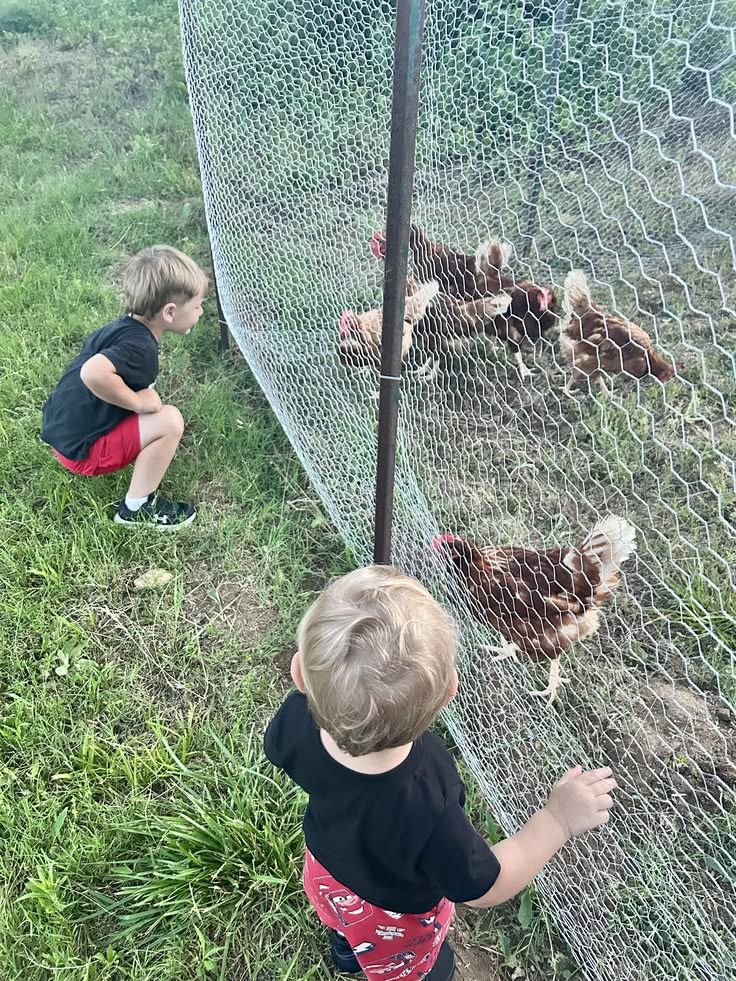
Children and aggressive roosters do not mix. A rooster attacks at leg and face height for a small child, and a spur can cut a child’s face or eye. If your rooster charges adults, keep children out of the run entirely until the behaviour is fixed. If children must be near the flock, an adult must be with them at all times, and the child must stay behind the adult or behind a fence. Teach children to move slowly, to never chase or tease the rooster, and to never pick up a hen in front of him. A child who runs or screams will excite the rooster, so the rule for children is simple, walk slowly and stay close to an adult. Some breeds are known for gentle roosters, and gentle breeds like Faverolles are a better choice for a family flock than a sharp breed. But breed is no guarantee, and a gentle breed rooster can still turn aggressive. The safety rules apply to every rooster, whatever his breed. If a rooster has ever drawn blood on a child, or if he charges children specifically, do not wait for the calm method to work. Separate him at once and rehome him. No rooster is worth a child’s injury.
When to Separate or Rehome
Some roosters cannot be managed, and knowing when to stop trying is part of good keeping. Separate the rooster at once if he draws blood, if he attacks children, or if he attacks so often that nobody can enter the run safely. Separation means a pen of his own, a bachelor pen, away from the hens and away from people. He can live there happily with another rooster for company, and many keepers run a bachelor pen as a permanent home for spare roosters. Do not keep him alone in a tiny cage. He needs space, food, water and shelter, like any other bird. Rehoming means finding him a new home where he fits. Be honest about why you are rehoming him. Say plainly that he charges people, so the new keeper knows what they are taking on. A farm with no small children, or a keeper who wants a guard rooster for a free range flock, may be glad to have him. Do not give him away without telling the new keeper about the aggression. Do not release a rooster into the wild, and do not dump him. A domestic rooster cannot survive on his own, and abandoning him is cruel. If no home can be found, talk to a vet or a poultry rescue about the options. That is a hard decision, but it is kinder than leaving a dangerous bird to hurt someone.
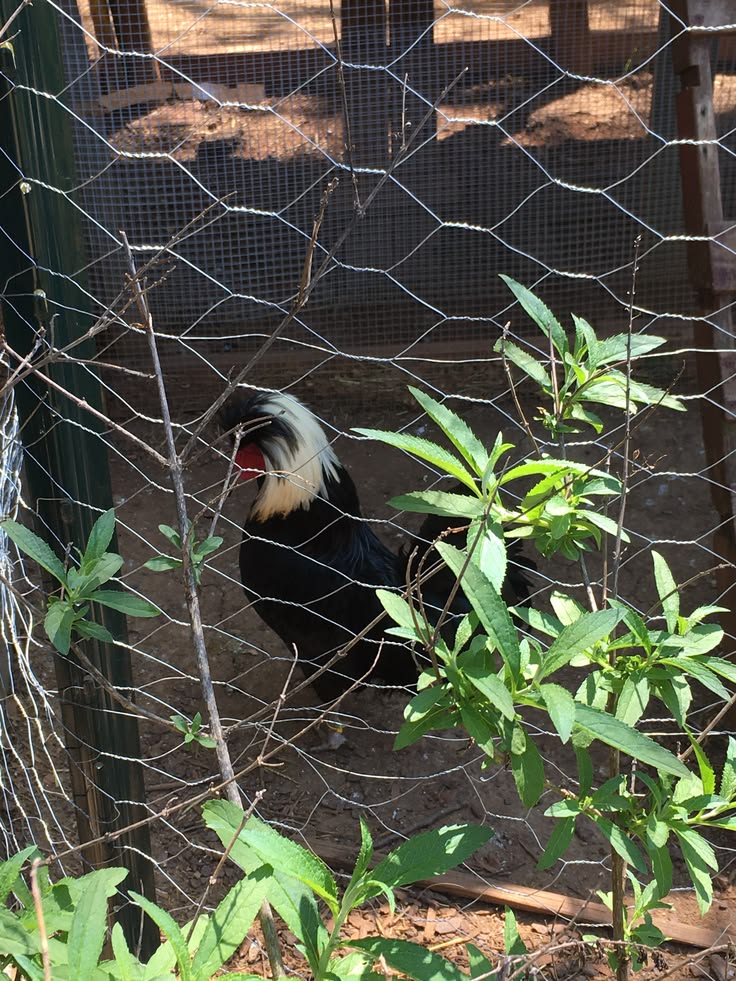
Do You Even Need a Rooster
Many keepers ask this question only after a rooster turns aggressive, and it is worth asking honestly. Hens lay eggs without a rooster, and a flock of hens only is quieter, calmer and safer, especially for families with children. Our guide to whether chickens need a rooster to lay eggs answers this in full, and the short answer is no, they do not. A rooster has real uses. He guards the flock, he finds food for the hens, he breaks up fights between hens, and he is needed if you want fertile eggs for hatching. A calm rooster is a pleasure to keep. But a rooster is never a must have for eggs, and he is not worth keeping if he makes the run unsafe. If you decide you do not need a rooster, rehome him and enjoy the hens. If you want another rooster later, choose a calm breed, buy from a keeper whose roosters are known to be gentle, and handle the young cockerel often and calmly from the start. Early calm handling prevents far more aggression than any cure.
Aggression or Normal Rooster Behaviour
Not every rooster that looks fierce is aggressive. A rooster that puffs his hackles, drops a wing and circles you is showing off, and many roosters do this without ever attacking. A rooster that dances for his hens, tidbitting and calling them to food, is doing his job. These are normal behaviours, and they are not a reason to rehome him. Real aggression is different. Charging at you, jumping with spurs out, flogging with his wings, and chasing you across the yard are attacks, not displays. A rooster that does these things has crossed the line from showing off to hurting people. Pecking order fights between birds are also normal. Roosters spar with each other to settle who is in charge, and hens peck each other for the same reason. Our guide to why chickens peck each other explains the flock side of this, and it is a different problem from a rooster attacking people. Learn the difference, and act on the attacks, not the displays. A rooster that only postures needs calm handling and time. A rooster that attacks needs the barrier, the calm method, and if that fails, separation or rehoming.
FAQs
How do you stop an aggressive rooster from attacking you.
Stay calm, move slowly, and keep a barrier between you and the bird. Wear long trousers and closed boots, hold your ground behind the barrier, and walk away slowly when he loses interest. Never kick, hit, chase or run from him.
Can you tame an aggressive rooster.
Sometimes, yes. Calm consistent handling over a few weeks can settle many roosters, especially young ones. But a mature rooster that keeps charging, flogging or spurring people after weeks of calm handling is unlikely to change, and separation or rehoming is the honest answer.
What is rooster flogging and spurring.
Flogging is when a rooster jumps at you beating his wings, and spurring is when he strikes with the sharp spurs on the back of his legs. Both can cut skin and bruise badly, which is why protective clothing and a barrier matter.
Why is my rooster suddenly aggressive.
The most common causes are hormones at about 4 to 6 months old, guarding his hens, and learned behaviour from a time when charging worked. A rooster that was calm for years and suddenly turns aggressive may be in pain or unwell, so check his health and see a vet if the change is sudden.
When should I rehome an aggressive rooster.
If he keeps attacking after a few weeks of calm handling, if he draws blood, or if he charges children, separate him at once and rehome him. Be honest with the new keeper about the aggression, and never release a domestic rooster into the wild.
If you keep laying hens, read our guide to grit and oyster shell so your hens get the calcium and the grinding power they need.
Keep Reading

Nusrat
Author, TheChickenPet.com