
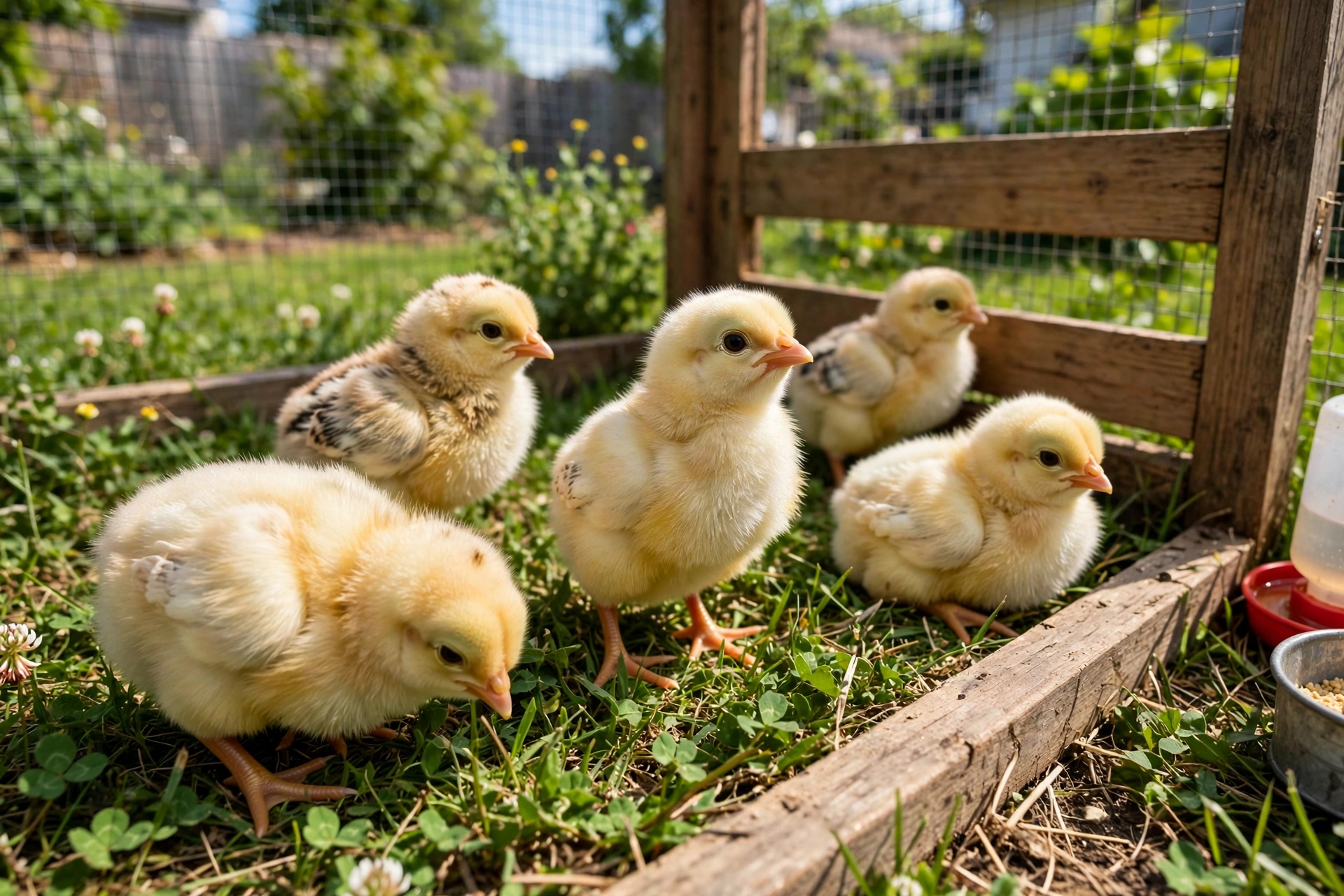
Watching baby chicks take their first steps on grass is one of the best parts of keeping chickens, but taking them out too early can chill them fast. The question of when can baby chicks go outside has two different answers, and most of the confusion online comes from mixing them up. Short supervised outings on warm days can start from about 3 weeks old. The permanent move out of the brooder and into the coop comes later, only when the chicks are fully feathered at about 6 to 8 weeks and the nights stay above 50 to 55F. This guide covers both, the first outing step by step, the temperature rules, the mother hen exception, and how to keep chicks safe outside until they join the adult flock.
Table of Contents
- The Short Answer. Outings at 3 Weeks, the Move at 6 to 8 Weeks
- First Outings or the Permanent Move. Two Different Questions
- The First Supervised Outing Step by Step
- Can 4 Week Old Chicks Go Outside
- When Chicks Are Ready for the Coop for Good
- Baby Chicks Outside Temperature. What the Thermometer Must Say
- Chicks Raised by a Mother Hen. The Day 2 Exception
- Keeping Chicks Safe Outside. Predators, Sun and Wind
- Joining the Adult Flock. Wait Until 8 to 12 Weeks
- FAQs
First short outings from about 3 weeks on warm days around 85F. The permanent move only when fully feathered at 6 to 8 weeks with nights above 50 to 55F.
15 to 30 minutes, supervised, on dry grass in sun with shade nearby. Bring them in at the first sign of chilling or distress.
Fully feathered, no bare patches, nights above 50 to 55F, and a safe coop. Separate from the adult flock until 8 to 12 weeks.
The Short Answer. Outings at 3 Weeks, the Move at 6 to 8 Weeks
What age can chicks go outside. For a short outing, about 3 weeks old on a warm day. For the permanent move into the coop, about 6 to 8 weeks old, when they are fully feathered and the nights are warm enough. Those are two different milestones, and keeping them apart is the key to getting this right. A 3 week old chick has some feathers but still has bare patches of down, and it cannot hold its own body heat for long without a heat source. It can enjoy a short supervised trip onto the grass on a warm day, then it needs to go straight back to the warmth of the brooder. A 6 to 8 week old chick is fully feathered, with real feathers covering its body, and it can keep itself warm through a mild night. If you remember only one line from this guide, make it this one. Outings are a treat, the move is a milestone, and the move waits for feathers and warm nights.
First Outings or the Permanent Move. Two Different Questions
Most of the arguments about when chicks can go outside come from people answering different questions. One keeper means a 20 minute trip onto the lawn on a sunny afternoon. Another means moving the chicks out of the brooder for good. Both are right for their own question, and both are wrong if you swap the answers. A first outing is short, supervised, and reversible. You carry the chicks out, you stay with them, and you carry them back in at the first sign of trouble. The brooder stays their home. A permanent move is a one way change. The chicks sleep outside, they have no heat lamp to come back to, and they must cope with the night on their own. That is why the move needs full feathers and warm nights, while an outing only needs a warm day and your attention. The brooder itself sets the timeline. Our guide to setting up a brooder for baby chicks covers the indoor weeks, the heat and the space the chicks need before any of this starts. This article starts where that one leaves off, at the first trip out the door.
The First Supervised Outing Step by Step
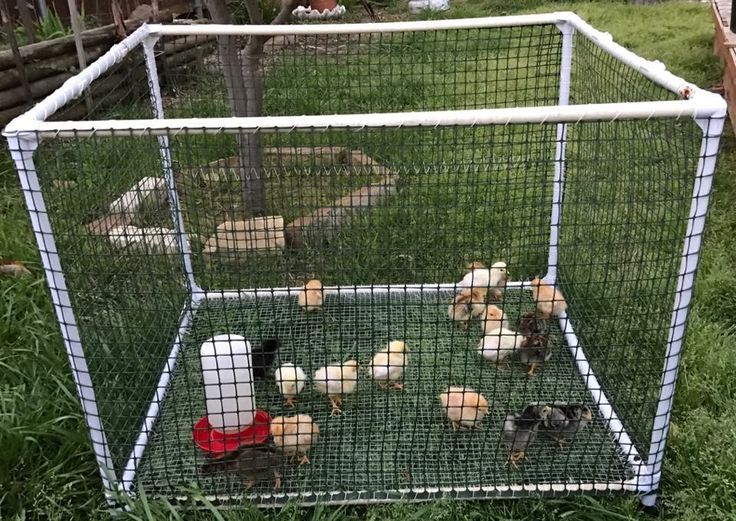
Pick a warm, dry, calm day. The sun should be out, there should be no wind, and the ground should be dry. Morning is a good time, when the day is warming up and you have hours before evening. First, set up a small safe pen or a fenced patch of grass, with shade nearby and a dish of water. The pen keeps the chicks together and keeps them where you can see them. Second, carry the chicks out in a box or basket, and set them down gently inside the pen. Do not let them run loose on their first outing. They are fast, they scatter, and a loose chick is hard to catch. Third, stay with them the whole time. Watch for the signs that they are happy, pecking at grass, scratching, dust bathing, chirping softly. Watch too for the signs that they are cold or scared, huddling in a tight pile, cheeping loudly, or standing still with fluffed feathers. Fourth, keep the first outing short, 15 to 30 minutes, then carry them back to the warm brooder even if they look happy. Short and successful beats long and chilling. Fifth, repeat on the next warm day, a little longer each time. By the time they are 5 or 6 weeks old, the outings can stretch to an hour or more, and the chicks will be stronger, faster and more confident on grass. That practice is what makes the permanent move easy when it comes.
Can 4 Week Old Chicks Go Outside
Can 4 week old chicks go outside. Yes, for short supervised outings on warm days, and no, not to live outside yet. A 4 week old chick is right in the middle of feathering out. It has wing and tail feathers and a feathered back, but its belly and head are often still downy, and it still needs the brooder’s heat at night. On a warm day around 85F, a 4 week old chick can enjoy 30 minutes or so on the grass, longer if the sun is strong and there is no wind. Bring a small box or a towel into the pen so the chicks can huddle under cover if they feel cool. If they pile up and cheep loudly, they are telling you they are cold, and the outing is over. Carry them straight back to the brooder. Do not leave 4 week old chicks outside unsupervised, and do not leave them out overnight. They cannot yet keep themselves warm through a cool evening, and a hawk or a cat can take a chick in seconds. The unsupervised and overnight stage waits for full feathers, which comes at about 6 to 8 weeks.
When Chicks Are Ready for the Coop for Good
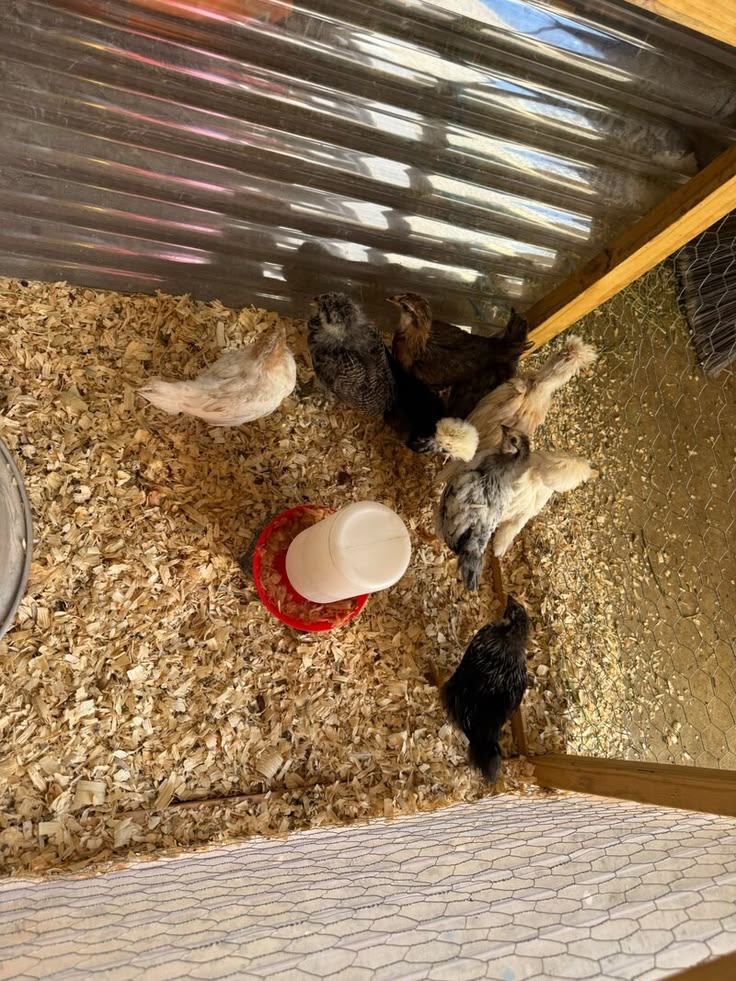
When can chicks go in the coop for good. When three things are true at the same time. They are fully feathered, with real feathers covering the body and no bare downy patches. They are about 6 to 8 weeks old. And the nights where you live stay above 50 to 55F. Check the feathers first, because age alone is not enough. Some breeds feather out faster than others, and a chick raised in a warm brooder may feather more slowly. Run your eyes over the belly, the head and under the wings. If you still see fluffy down, the chick is not ready. If the body is covered in proper feathers, it is. Then check the coop. The chicks need a dry, draught free coop with clean bedding, a roost low enough to reach, and food and water they can find easily. Our predator proofing guide covers the safety side, because a coop that is fine for adult hens may still have gaps a chick can slip through or a predator can reach into. Fix those gaps before moving day, not after. Move them on a warm day, and keep them shut in the coop for the first day or two so they learn that the coop is home. Check on them at dusk to make sure they have found the roost or a warm corner to sleep in, and check again in the morning. A chick that sleeps alone in a cold corner is a chick that needs help.
Baby Chicks Outside Temperature. What the Thermometer Must Say
Baby chicks outside temperature is the number that decides everything, and it is worth being exact about. For a short outing, the air should be around 85F, sunny and calm. Below about 70F, even a short outing is too cold for chicks under 4 weeks, and you should wait for a warmer day. For the permanent move, the rule is about the night, not the day. Nights should stay above 50 to 55F. A chick that is fine in a 75F afternoon can still chill badly on a 45F night, because it has no heat lamp to come back to. If your nights are still dropping below 50F, wait. The brooder is safe, and a week of patience costs nothing. Wind and damp change the numbers. A 70F day with a cold wind chills a chick faster than a calm 65F day, and wet grass pulls heat out of small bodies fast. Never put chicks out on wet grass, and never put them out in wind. If the weather turns while they are out, bring them in at once. A chilled chick goes quiet, fluffs up and stops moving, and it needs warmth immediately. Keep a thermometer in the brooder and one by the door, and check the forecast the night before any outing. Guessing the temperature is how chicks get chilled.
Chicks Raised by a Mother Hen. The Day 2 Exception
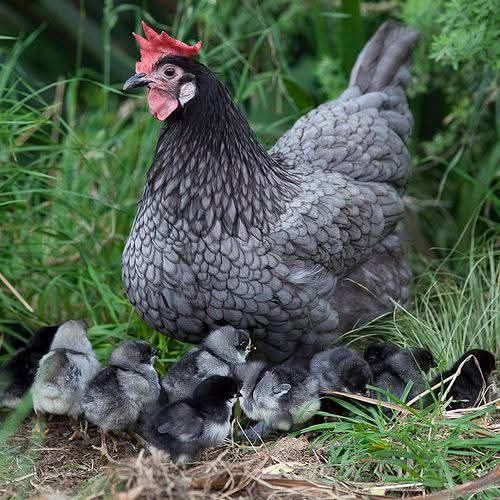
Everything above is for chicks raised in a brooder by people. Chicks raised by a mother hen follow a different rule. A broody hen takes her chicks outside from day 2 or 3, and that is fine, because she is their heat source. The hen keeps the chicks warm under her body, and the chicks duck underneath her whenever they feel cold. She shows them food and water, she calls them back when danger comes, and she fights off threats a chick could never face alone. A chick with a mother hen can be outside in weather that would chill a brooder chick in minutes. Do not copy the mother hen timeline for brooder chicks. Without a hen, a 3 day old chick has no warm body to run to, and it will chill and die. The day 2 exception belongs to the hen, not to the calendar. If you have a broody hen raising chicks, let her set the pace, and just make sure she has a safe pen, food and water, and no way for the chicks to get lost or trapped.
Keeping Chicks Safe Outside. Predators, Sun and Wind
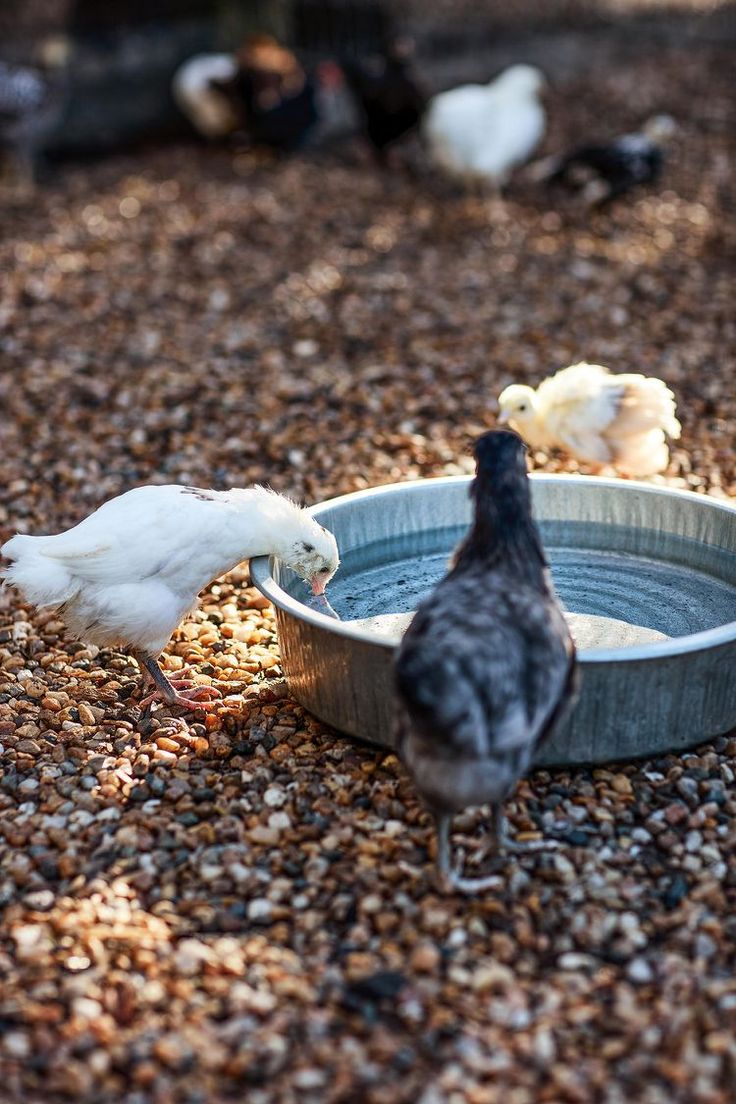
Chicks are small, slow and loud, which makes them perfect prey. Never leave chicks outside unsupervised until they are big enough to run and old enough to be with the flock. Hawks can take a chick from an open lawn in seconds, and cats, rats and even crows will try. A covered pen is the answer for outings. Netting or wire over the top stops hawks, and fine mesh around the sides stops cats and rats. Our guide to predator proofing a chicken coop covers the same principles at coop scale, and the same thinking applies to a chick pen, no gaps, no loose edges, nothing a small predator can push through. Sun and wind matter too. Chicks need shade to retreat into, because a small body overheats fast in direct sun with no cover. A cardboard box on its side, a towel draped over part of the pen, or a low bush all work. And keep them out of the wind. A simple windbreak, a board or a bale, makes a cold day usable and a warm day comfortable. Fresh water is not optional. Put a shallow dish in the pen, with pebbles in it so a chick that steps in can climb out. Chicks dehydrate quickly in the sun, and a chick that has been pecking and running for half an hour will be thirsty.
Joining the Adult Flock. Wait Until 8 to 12 Weeks
Moving into the coop and joining the adult flock are two different steps, and the second one comes later. Chicks can move into their own coop at 6 to 8 weeks, but they should stay separate from adult hens until they are 8 to 12 weeks old. Adult hens will peck young chicks hard, and a chick that cannot get away from a grown hen can be hurt badly. The rule is to wait until the chicks are big enough to run, big enough to be seen as flock members rather than intruders, and old enough to hold their own at the feeder. That is usually 8 to 12 weeks, depending on the breed and the size of your hens. Use the waiting time well. Put the chicks in a pen next to the adult run so the flocks can see each other through the wire for a week or two. That slow introduction works far better than dropping young birds straight into the run. Our guide to introducing new chickens to a flock covers the full integration method, and it applies to young birds just as much as to new adults. Once they do join, give the young birds their own feeder and waterer for a while, and make sure there are places to hide. The first week together is the one to watch.
FAQs
When can baby chicks go outside for the first time.
Short supervised outings can start from about 3 weeks old on warm days around 85F, for 15 to 30 minutes at a time. The permanent move outside waits until the chicks are fully feathered at about 6 to 8 weeks, with nights above 50 to 55F.
Can 4 week old chicks go outside.
Yes, for short supervised outings on warm days, but not to live outside yet. A 4 week old chick is still feathering out and still needs the brooder’s heat at night. Bring them in at the first sign of chilling.
When can chicks go in the coop.
Chicks can move into the coop for good at about 6 to 8 weeks, when they are fully feathered and the nights stay above 50 to 55F. Keep them separate from the adult flock until 8 to 12 weeks.
Do chicks need a heat lamp outside.
Chicks in the brooder need heat until they are fully feathered. Once they have moved to the coop at 6 to 8 weeks with warm nights, they do not need a heat lamp. If the nights are still cold, wait before moving them, or provide a safe heat source in the coop.
What temperature is too cold for baby chicks outside.
For outings, below about 70F is too cold for chicks under 4 weeks. For the permanent move, nights below 50 to 55F are too cold. Wind and wet grass make any temperature feel colder to a small chick, so never put chicks out on wet grass or in wind.
Also see How to Stop an Aggressive Rooster Without Making It Worse
Keep Reading

Nusrat
Author, TheChickenPet.com