
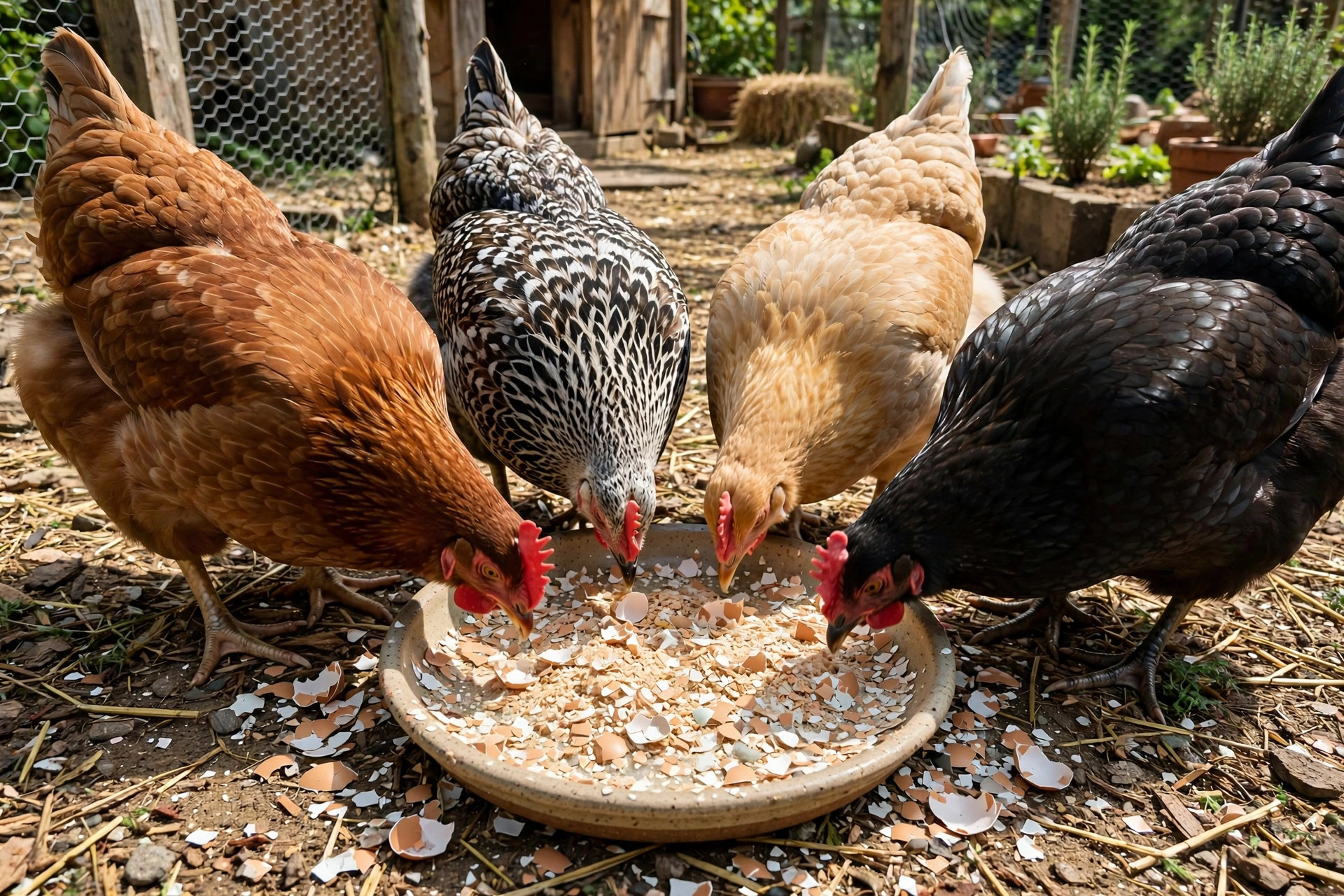
Yes, chickens can eat eggshells, and they are a free calcium source, but only when they are baked, crushed and fed back right. Raw and whole shells are the two mistakes to avoid, because raw eggshells carry salmonella and whole shells teach hens to eat their own eggs. The spine of this guide is simple, bake the shells, crush them small, offer them free choice in a separate dish, and never feed eggshells to chicks, because chicks need starter feed, not calcium. This guide covers how to prepare eggshells, how much is enough, and the one hard rule for chicks.
Table of Contents
- The Short Answer. Yes, Baked and Crushed Only
- Why Eggshells Work. Calcium, Free and Close to Home
- How to Prepare Eggshells. Bake, Cool and Crush
- Raw Eggshells. Why They Are a Bad Idea
- Whole Shells. Why They Teach Egg Eating
- How Much Eggshell and How Often
- Eggshells or Oyster Shell. Which Is Better
- Baby Chicks and Eggshells. The Hard Rule
- Eggshells in the Calcium Picture
- FAQs
Eggshells are a free calcium source for laying hens, but only when they are baked, crushed and fed back right. Raw and whole shells are the two mistakes to avoid.
Bake the shells at 350F for 10 minutes, let them cool, crush them small, and offer them free choice in a separate dish, so the hens take what they need.
Never feed eggshells to chicks, because chicks need starter feed, not calcium, and too much calcium damages their kidneys.
The Short Answer. Yes, Baked and Crushed Only
Yes, chickens can eat eggshells, and they are a free calcium source, but only when they are baked, crushed and fed back right. Raw eggshells carry salmonella, and whole shells teach hens to eat their own eggs, so those are the two mistakes to avoid. Bake the shells, crush them small, offer them free choice in a separate dish, and the hens will take what they need, and nothing more.
The calcium math is simple. A laying hen needs about 4 grams of calcium a day to make a strong shell, and an eggshell is about 95 percent calcium carbonate, so a crushed shell is a good supplement, but it is not a replacement for layer feed, which is balanced for egg laying, with the right protein, the right calcium and the right vitamins. And the one hard rule is for chicks. Never feed eggshells to chicks, because chicks need starter feed, not calcium, and too much calcium damages their kidneys.
Why Eggshells Work. Calcium, Free and Close to Home
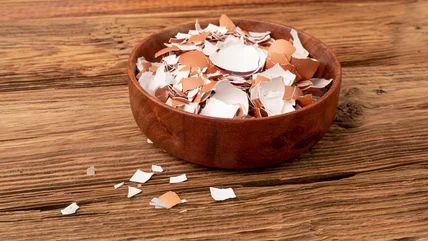
Eggshells work because they are almost pure calcium carbonate, and they are free, and they are already in your kitchen. An eggshell is about 95 percent calcium carbonate, which is the same calcium that makes a strong shell, and a hen that eats crushed eggshells is eating the same mineral she needs to lay. The shells are free, because you already have them, and they are close to home, because they come from your own hens, so you do not need to buy oyster shell, although oyster shell is still a good choice, and many keepers use both.
The hens know what they need. Offer crushed eggshells free choice in a separate dish, and the hens that need calcium will eat them, and the hens that do not need calcium will leave them alone. This is the same way oyster shell works, and it is why free choice is the right method, because the hens self regulate, and they do not overeat calcium when they can choose. Eggshells are not a medicine, and they are not a replacement for layer feed. They are a supplement, and they work best when the hens also eat layer feed, which is balanced for egg laying.
How to Prepare Eggshells. Bake, Cool and Crush
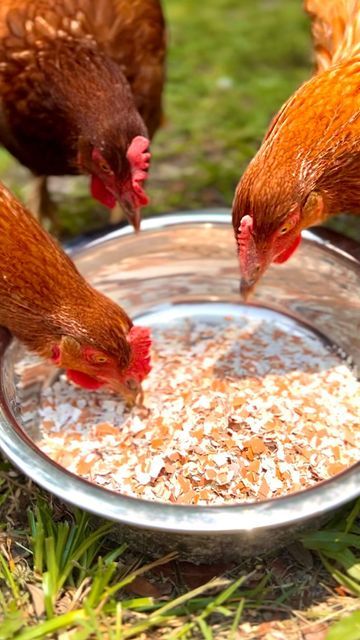
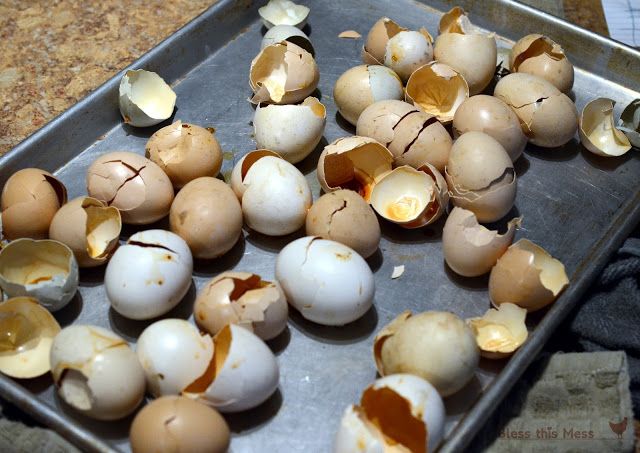
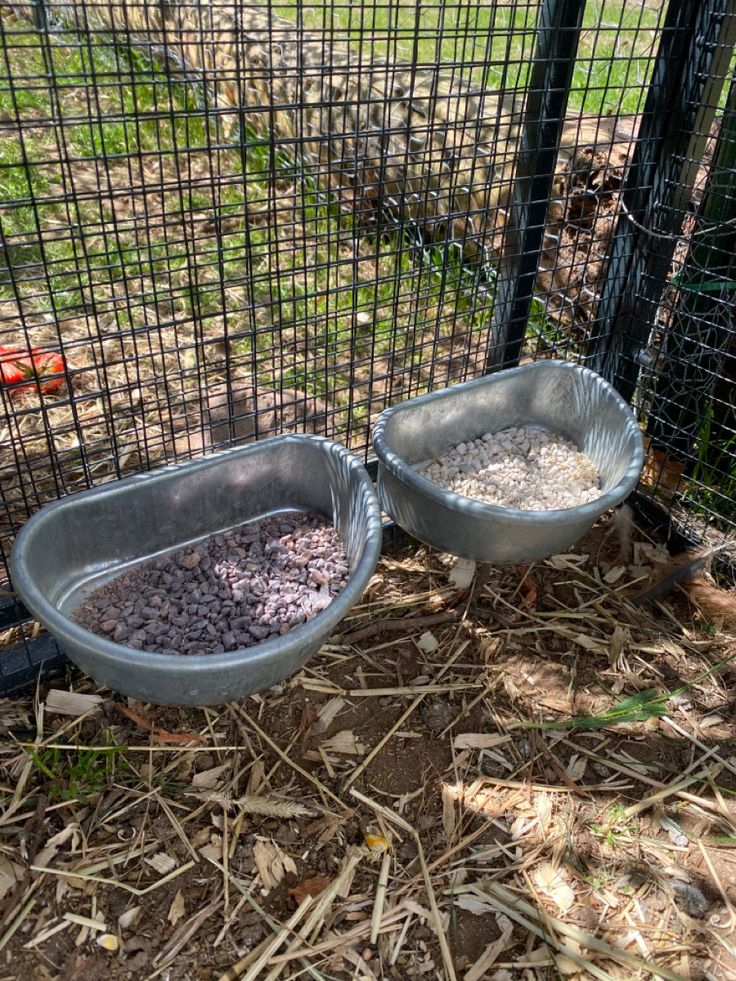
Bake the shells, cool them, crush them small, and offer them free choice in a separate dish. That is the whole method, and each step matters. First, save the shells. Rinse them lightly to remove any egg white, and let them dry, and save them in a bowl until you have enough to bake. A dozen shells is a good batch. Second, bake them. Spread the shells on a baking tray, and bake them at 350F for 10 minutes, until they are dry and brittle, and the heat has killed any salmonella. This is the step that makes them safe, and it is the step you must not skip. Third, let them cool, and then crush them small. Put the cooled shells in a bag, and crush them with a rolling pin, or put them in a food processor and pulse them, until they are small pieces, about the size of a pea or smaller. They should not look like shells any more, they should look like grit, because if they look like shells, the hens will learn to eat shells, and then they will eat their own eggs. Fourth, offer them free choice in a separate dish, next to the oyster shell, so the hens can take what they need. Do not mix them into the feed, because the hens that do not need calcium will eat them anyway, and that is not good for them.
Raw Eggshells. Why They Are a Bad Idea
Raw eggshells are a bad idea, because they carry salmonella, and they teach hens to eat their own eggs. Salmonella is a bacteria that lives on raw eggshells, and it can make hens sick, and it can make people sick, if the shells are handled and then the hands are not washed. Baking the shells kills the salmonella, and it is the only way to make them safe, so raw shells should never be fed back. Raw shells also teach hens to eat their own eggs, because a raw shell looks and smells like an egg, and a hen that eats a raw shell will learn that eggs are food, and she will start eating the eggs in the nest box. This is a hard habit to break, and it is the reason raw shells are the first mistake to avoid. The fix is simple. Always bake the shells, always crush them small, and never feed them back raw or whole.
Whole Shells. Why They Teach Egg Eating
Whole shells teach hens to eat their own eggs, because a whole shell looks like an egg, and a hen that eats a whole shell will learn that eggs are food. A hen that eats a whole shell will peck at the shell, and she will learn that the shell breaks, and that the inside is tasty, and she will start pecking at the eggs in the nest box. Once a hen learns to eat eggs, it is very hard to stop her, and she will teach the other hens to do it too. The fix is to crush the shells small, so small that they do not look like shells any more, so small that they look like grit. A hen that eats crushed shell does not learn to eat eggs, because the crushed shell does not look like an egg, and it does not smell like an egg, and it is just a mineral supplement. This is the second mistake to avoid, and it is the reason the crushing step matters as much as the baking step. Bake them, crush them small, and the hens will get the calcium without learning to eat eggs.
How Much Eggshell and How Often
Offer crushed eggshells free choice in a separate dish, and the hens will take what they need, and that is the right amount. A laying hen needs about 4 grams of calcium a day, and a crushed eggshell is about 2 grams of calcium, so two crushed shells a day is about right, but the hens will self regulate, and they will eat more when they are laying well, and less when they are not laying, so free choice is the best method. Do not mix eggshells into the feed, because the hens that do not need calcium will eat them anyway, and that is not good for them. Roosters do not need extra calcium, and neither do hens that are not laying, and they should not be forced to eat it. Free choice lets each hen take what she needs. Refill the dish when it is empty, and keep it full, so the hens always have access to calcium. The dish should be next to the oyster shell, and it should be clean and dry, and the shells should be crushed small. Our guide to what chickens can eat covers the full list of foods, and eggshells sit in the supplement section, not the food section, because they are calcium, not food.
Eggshells or Oyster Shell. Which Is Better
Eggshells and oyster shell are both good calcium sources, and many keepers use both, because they work in slightly different ways. Eggshells are free, and they are close to home, and they are almost pure calcium carbonate, so they are a good supplement, and they are easy to prepare. Oyster shell is also almost pure calcium carbonate, and it is cheap, and it comes in a bag, ready to use, so it is easy to offer, and it does not need baking or crushing. The difference is in how fast they dissolve. Eggshells dissolve fast, because they are thin and brittle, so they give the hen calcium quickly, but they do not last long in the gut. Oyster shell dissolves slowly, because it is thick and hard, so it gives the hen calcium slowly, over hours, which is better for making a strong shell overnight, when the hen is forming the shell. The best answer is to offer both, free choice, in separate dishes, so the hens can take what they need, when they need it. The eggshells give fast calcium, the oyster shell gives slow calcium, and together they cover the hen’s needs. If you have to choose one, choose oyster shell, because it is ready to use, and it lasts longer, but if you have eggshells, use them too, because they are free, and they work.
Baby Chicks and Eggshells. The Hard Rule
Never feed eggshells to chicks, because chicks need starter feed, not calcium, and too much calcium damages their kidneys. Chicks under 18 weeks old should eat only starter feed, because they need the protein and the balanced nutrition to grow, and eggshells have almost none of that. Too much calcium in a chick’s diet damages the kidneys, and it can kill them, so eggshells are not a treat for chicks, they are a danger. The same rule applies to oyster shell. Do not offer oyster shell to chicks, because they do not need it, and it will harm them. Wait until the chicks are 18 weeks old and starting to lay, and then offer crushed eggshells and oyster shell free choice, in separate dishes, so the pullets can take what they need. If you have chicks and laying hens in the same flock, offer the eggshells and oyster shell in a dish that only the laying hens can reach, or offer them in the coop, where the chicks do not go, so the chicks do not eat them by mistake.
Eggshells in the Calcium Picture
Eggshells are one part of the calcium picture, and the picture is bigger than just the shells. A laying hen needs calcium to make a strong shell, and she gets it from layer feed, from oyster shell, from crushed eggshells, and from the grit she eats, which helps her digest the calcium. The layer feed is the main source, because it is balanced for egg laying, with the right protein, the right calcium and the right vitamins, and the oyster shell and eggshells are supplements, to top up what the feed provides. If your hens have soft shells, the answer is not just more eggshells, it is to check the whole picture, the feed, the oyster shell, the water, and the health of the hen. Our guide to soft shell eggs covers shell quality, and it explains why shells go soft, and what to do about it. Our guide to laying every day covers egg laying, and it explains how often hens lay, and what affects it, and the calcium picture is part of that, because a hen that lays every day needs more calcium than a hen that lays twice a week. The calcium picture is simple. Layer feed first, oyster shell and crushed eggshells free choice second, and clean water always, and the hens will lay strong shells.
FAQs
Can chickens eat eggshells.
Yes, chickens can eat eggshells, but only when they are baked, crushed and fed back right. Bake the shells at 350F for 10 minutes, let them cool, crush them small, and offer them free choice in a separate dish. Raw and whole shells are the two mistakes to avoid.
Can chickens eat raw eggshells.
No, raw eggshells are a bad idea, because they carry salmonella, and they teach hens to eat their own eggs. Always bake the shells first, and always crush them small, and never feed them back raw or whole.
Can chickens eat eggshells for calcium.
Yes, eggshells are a free calcium source for laying hens, because they are about 95 percent calcium carbonate. Offer them free choice in a separate dish, so the hens take what they need, and use them alongside oyster shell, which dissolves more slowly and covers the hen overnight.
Can baby chicks eat eggshells.
No, never feed eggshells to chicks, because chicks need starter feed, not calcium, and too much calcium damages their kidneys. Wait until the chicks are 18 weeks old and starting to lay, and then offer crushed eggshells and oyster shell free choice.
How to prepare eggshells for chickens.
Rinse the shells lightly, let them dry, bake them at 350F for 10 minutes, let them cool, crush them small with a rolling pin or a food processor until they look like grit, and offer them free choice in a separate dish next to the oyster shell. Do not mix them into the feed.
Cheese is another small treat that works the same way, and our guide to cheese covers which kind is safe and how much to give.
Keep Reading

Nusrat
Author, TheChickenPet.com