

Yes, chickens can eat cheese, but only as a small treat, never as a food, and the kind matters. Chickens have no lactase, so they cannot digest lactose, which means cheese is a small treat only, and hard cheese is safer than soft cheese, because it has less lactose and less salt, and mouldy cheese is never safe. The spine of this guide is simple, a tiny amount of hard cheese, once in a while, is fine, but too much cheese means loose droppings, too much salt, and less room for layer feed. This guide covers which cheese is safe, how much to give, and the salt problem that makes cheese a treat, not a food.
Table of Contents
- The Short Answer. Yes, a Tiny Amount of Hard Cheese Only
- The Lactose Problem. Why Chickens Cannot Digest Cheese Well
- Which Cheese Is Safe. Hard Cheese Wins
- Soft Cheese and Mozzarella. Small Amounts, With Care
- Mouldy Cheese. Never Safe
- Cheese Rind. It Depends on the Cheese
- How Much Cheese and How Often
- The Salt Problem. Why Cheese Is a Treat, Not a Food
- Baby Chicks and Cheese. The Hard Rule
- FAQs
Cheese is a small treat only, never a food. Chickens have no lactase, so they cannot digest lactose, and too much cheese means loose droppings and too much salt.
Hard cheese is safer than soft cheese, because it has less lactose and less salt. Mouldy cheese is never safe, for hens or for people.
A tiny amount, a few small pieces per hen, once in a while, inside the 10 percent treat rule. Too much means loose droppings and less room for layer feed.
The Short Answer. Yes, a Tiny Amount of Hard Cheese Only
Yes, chickens can eat cheese, but only as a small treat, never as a food, and the kind matters. Chickens have no lactase, so they cannot digest lactose, which means cheese is a small treat only, and hard cheese is safer than soft cheese, because it has less lactose and less salt, and mouldy cheese is never safe. A tiny amount of hard cheese, once in a while, is fine, and the hens will love it, because it is salty and fatty and tasty. But too much cheese means loose droppings, too much salt, and less room for layer feed, so the amount is your job, not theirs. The rule is simple. A few small pieces per hen, once in a while, inside the 10 percent treat rule, and never as a meal, never as a food, and never mouldy.

The Lactose Problem. Why Chickens Cannot Digest Cheese Well
Chickens have no lactase, so they cannot digest lactose, and that is the reason cheese is a small treat only, never a food. Lactase is the enzyme that breaks down lactose, the sugar in milk, and chickens do not make it, because they are birds, not mammals, and they never drink milk in nature. Cheese is made from milk, so it has lactose, and a hen that eats cheese cannot break it down, so the lactose sits in the gut, and it ferments, and it causes loose droppings and a sore gut. Hard cheese has less lactose than soft cheese, because the lactose is mostly in the whey, and the whey is drained off when hard cheese is made, so hard cheese is safer, with less lactose to ferment. Soft cheese has more lactose, because it keeps more whey, so it is harder to digest, and it causes more loose droppings. The lactose problem is the reason cheese is a treat, not a food. A small amount is fine, because the gut can handle a little lactose, but a large amount is not fine, because the gut cannot handle a lot of lactose, and the hens will get loose droppings and a sore gut.
Which Cheese Is Safe. Hard Cheese Wins
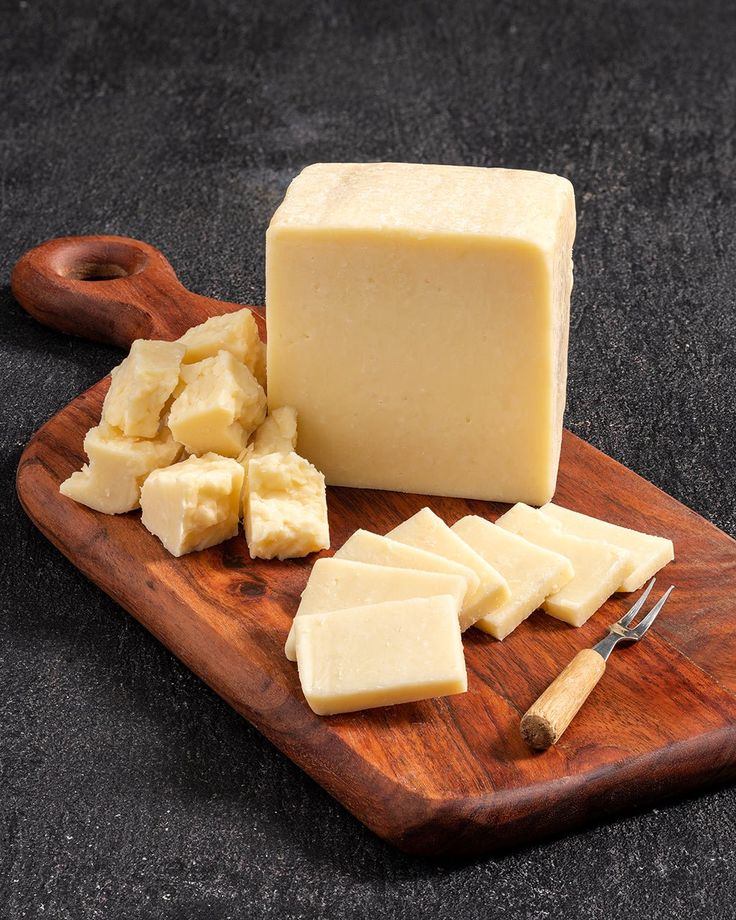
Hard cheese is safer than soft cheese, because it has less lactose and less salt, and it is the kind to give when you give cheese at all. Hard cheese, like cheddar, parmesan and gouda, has less lactose, because the whey is drained off, and it has less water, so it is drier and harder, and it is easier for the hens to eat in small pieces. A few small pieces of cheddar, once in a while, is the safest cheese treat. Parmesan is the hardest cheese, and it has the least lactose, so it is the safest of all, but it is also very salty, so give only a tiny amount, a few shavings, not a handful. Gouda is a hard cheese too, and it is milder and less salty than parmesan, so it is a good choice, a few small pieces, once in a while. The rule is simple. Hard cheese, in tiny amounts, once in a while, is safe. Soft cheese, in larger amounts, is not safe, because it has more lactose and more salt.
Soft Cheese and Mozzarella. Small Amounts, With Care
Soft cheese and mozzarella are safe in small amounts, with care, because they have more lactose and more salt than hard cheese. Mozzarella is a soft cheese, and it has more lactose than cheddar, because it keeps more whey, so it is harder to digest, and it causes more loose droppings if you give too much. A tiny amount of mozzarella, a few small pieces, once in a while, is fine, but a large amount is not fine, because the hens will get loose droppings. Cream cheese is also a soft cheese, and it has more lactose and more fat than mozzarella, so it is even harder to digest, and it should be given only in very small amounts, if at all. A tiny smear on a piece of bread, once in a while, is fine, but a spoonful is too much. Cottage cheese is a soft cheese too, and it has more lactose than mozzarella, so it should be given only in very small amounts, if at all. The rule is simple. Soft cheese, in tiny amounts, once in a while, is fine. Soft cheese, in larger amounts, is not fine, because it has more lactose and more salt, and it will give the hens loose droppings.

Mouldy Cheese. Never Safe
Mouldy cheese is never safe, for hens or for people, and it should never be fed to chickens. Mould on cheese is not the same as the mould in blue cheese, which is a safe mould that is added on purpose, and even blue cheese should be given only in tiny amounts, if at all, because it is very salty and very strong. The mould that grows on cheese that has gone bad is a different mould, and it is toxic, and it can make hens sick, and it can kill them. If cheese has gone mouldy, throw it away, do not feed it to the hens, do not cut the mould off and feed the rest, because the mould has spread through the cheese, even if you cannot see it, and the toxins are in the whole piece. The rule is simple. If cheese has mould on it, and it is not blue cheese, throw it away. If it is blue cheese, give only a tiny amount, once in a while, if at all, because it is very salty and very strong.
Cheese Rind. It Depends on the Cheese
Cheese rind depends on the cheese, because some rinds are safe and some are not, and the rule is to check the rind before you give it. A hard cheese rind, like the rind on parmesan, is safe, because it is just dried cheese, and it is hard and salty, and the hens can peck at it, and they will love it. A few small pieces of parmesan rind, once in a while, is fine. A soft cheese rind, like the rind on brie, is also safe, because it is just a white mould that is added on purpose, and it is not toxic, but it is very rich, so give only a tiny amount, if at all. A wax rind, like the red wax on edam, is not safe, because the wax is not food, and the hens cannot digest it, so remove the wax before you give the cheese, and throw the wax away. The rule is simple. If the rind is cheese, it is safe in tiny amounts. If the rind is wax, remove it and throw it away.
How Much Cheese and How Often
A tiny amount, a few small pieces per hen, once in a while, inside the 10 percent treat rule, is the right amount. Cheese is a treat, not a food, and the amount matters, because too much cheese means loose droppings, too much salt, and less room for layer feed. A few small pieces per hen, about the size of a pea, once or twice a week, is plenty, and a whole block of cheese shared between four or five hens is too much. The hens will eat cheese until it is gone, because they love it, so the amount is your job, not theirs. Do not give them a whole block, do not give them a whole slice, give them a few small pieces, and let them enjoy it, and then stop. The 10 percent treat rule caps it, so cheese and every other treat together should stay under a tenth of what the flock eats in a day. The other treat, strawberries, works the same way, and our guide to strawberries covers the other treat, with the same amounts and the same rule.
The Salt Problem. Why Cheese Is a Treat, Not a Food
Cheese is salty, and too much salt is bad for hens, and that is the other reason cheese is a treat, not a food. A hen needs only a tiny amount of salt, and too much salt makes her thirsty, and it makes her drink too much water, and it gives her loose droppings, and it can damage her kidneys. Cheese is salty, because salt is added to make it, and to preserve it, so a large amount of cheese is a large amount of salt, and that is bad for the hens. Hard cheese is less salty than soft cheese, because it has less water, so it has less salt per piece, but it is still salty, so give only a tiny amount. Parmesan is the saltiest cheese, so give only a few shavings, not a handful. The rule is simple. Cheese is a treat, not a food, because it is salty and fatty and hard to digest, and the amount should be tiny, once in a while, inside the 10 percent treat rule. Our guide to rice covers the treat rule in full, because rice is the other treat that fills the crop without feeding the bird, and the same rule applies there, because rice and cheese are both treats with the same strengths and the same limits.
Baby Chicks and Cheese. The Hard Rule
Never feed cheese to baby chicks, because chicks need starter feed, not cheese, and cheese will make them sick. Chicks under 18 weeks old should eat only starter feed, because they need the protein and the balanced nutrition to grow, and cheese has almost none of that. Cheese is salty and fatty and hard to digest, and a chick’s gut cannot handle it, so it will give the chick loose droppings and a sore gut, and it will stop the chick from eating its starter feed, which is what it needs to grow. The same rule applies to all treats. Chicks should eat only starter feed for the first two weeks, and then a few tiny treats, once in a while, and cheese is not one of them, because it is too salty and too hard to digest. Wait until the chicks are 18 weeks old and starting to lay, and then offer a tiny amount of hard cheese, once in a while, as a treat, and the pullets will enjoy it, and they will not get sick.
FAQs
Can chickens eat cheese.
Yes, chickens can eat cheese, but only as a small treat, never as a food. Chickens have no lactase, so they cannot digest lactose, and hard cheese is safer than soft cheese, because it has less lactose and less salt. Mouldy cheese is never safe.
Can chickens eat cheese rind.
It depends on the cheese. A hard cheese rind, like parmesan, is safe in tiny amounts. A soft cheese rind, like brie, is safe in tiny amounts. A wax rind, like the red wax on edam, is not safe, because the wax is not food, so remove it and throw it away.
Can baby chicks eat cheese.
No, never feed cheese to baby chicks, because chicks need starter feed, not cheese, and cheese will make them sick. Wait until the chicks are 18 weeks old and starting to lay, and then offer a tiny amount of hard cheese, once in a while, as a treat.
Is cheese bad for chickens.
Cheese is not bad in tiny amounts, but it is bad in large amounts, because it has lactose, which chickens cannot digest, and salt, which is bad for hens in large amounts. Too much cheese means loose droppings, too much salt, and less room for layer feed.
Can chickens eat mozzarella.
Yes, mozzarella is safe in small amounts, with care, because it has more lactose than cheddar, so it is harder to digest. A tiny amount, a few small pieces, once in a while, is fine, but a large amount is not fine, because the hens will get loose droppings.
Winter care does not stop at food. For when a heat lamp is needed, when it is not, and the safer ways to keep your hens warm, see Do Chickens Need a Heat Lamp in Winter and When It Does More Harm Than Good.
Keep Reading

Nusrat
Author, TheChickenPet.com