
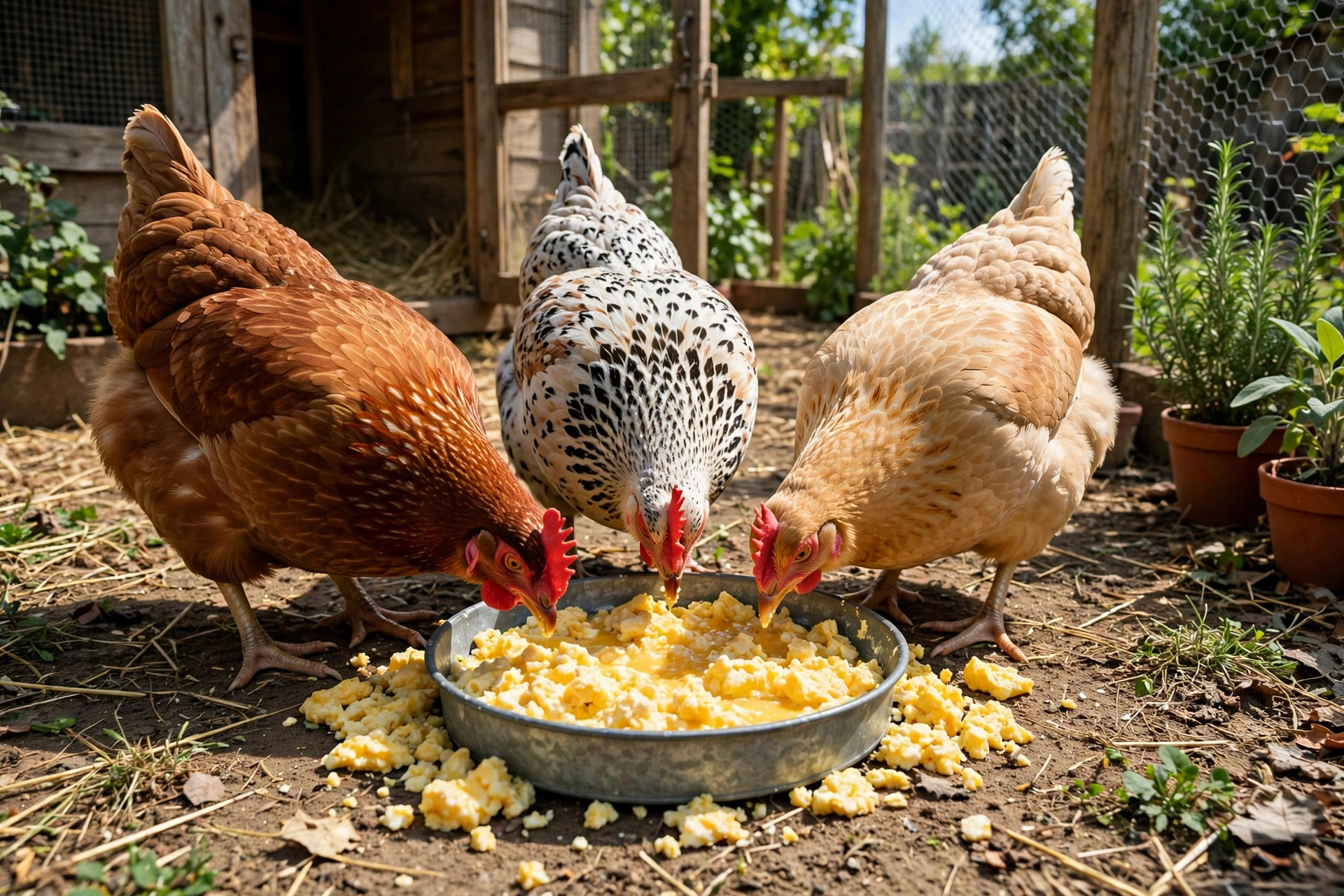
Yes, chickens can eat scrambled eggs, and they are safe when fully cooked, plain and unsalted, and they are a good protein boost for sick or molting hens, but raw eggs are never safe, and feeding eggs back must not teach egg eating, so the eggs must be cooked and crushed beyond recognition. The spine of this guide is simple, scrambled eggs are a treat, not a food, and a small amount once in a while is plenty, and the eggs must be plain, with no salt, no butter, and no seasoning, and chicks under 18 weeks should not eat scrambled eggs. This guide covers the cooked-only rule, the egg eating risk, how much to give, and how to serve them.
Table of Contents
- The Short Answer. Yes, Cooked Only, Plain and Unsalted
- The Cooked-Only Rule. Why Raw Eggs Are Never Safe
- Will Feeding Eggs Back Teach Egg Eating
- Are Scrambled Eggs Good for Chickens
- How to Serve Scrambled Eggs. Plain, Cool and Crushed
- How Many Scrambled Eggs and How Often
- Scrambled Eggs in the Treat Rule
- Scrambled Eggs for Sick or Molting Hens
- Baby Chicks and Scrambled Eggs. The Hard Rule
- FAQs
Scrambled eggs are safe when fully cooked, plain and unsalted, and they are a good protein boost for sick or molting hens.
Raw eggs are never safe, because they can carry bacteria, and they can teach egg eating, so the eggs must be cooked and crushed beyond recognition.
A small amount, about one egg for four hens, once or twice a week, inside the 10 percent treat rule.
The Short Answer. Yes, Cooked Only, Plain and Unsalted
Yes, chickens can eat scrambled eggs, and they are safe when fully cooked, plain and unsalted, and they are a good protein boost for sick or molting hens, but raw eggs are never safe, and feeding eggs back must not teach egg eating, so the eggs must be cooked and crushed beyond recognition.
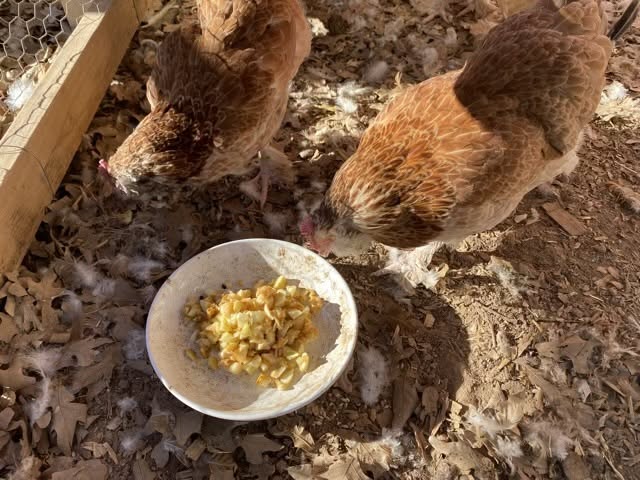
Scrambled eggs are a treat, not a food, and a small amount once in a while is plenty, and the eggs must be plain, with no salt, no butter, and no seasoning, and chicks under 18 weeks should not eat scrambled eggs.
The rule is simple. Fully cooked, plain, unsalted, cooled, and crushed beyond recognition, in small amounts, once or twice a week, is the safe choice.
The Cooked-Only Rule. Why Raw Eggs Are Never Safe
Raw eggs are never safe, because they can carry bacteria, and they can teach egg eating, and cooking is the thing that makes eggs safe to feed back.
Raw eggs can carry salmonella, a bacteria that makes hens sick, with loose droppings, and with a sore gut, and it can spread through the flock, and it can make the eggs unsafe to eat, so raw eggs must never be fed to chickens, not even a little, not even once.
Cooking kills the bacteria, and it makes the protein easier to digest, and it changes the look, the smell and the texture, so the hens do not connect the cooked egg with the fresh egg in the nest, and that is the thing that stops egg eating.
The rule is simple. Cook the eggs fully, until there is no runny yolk and no clear white, and let them cool, and crush them, so they do not look like a fresh egg, and never feed raw eggs, not even a little.
Will Feeding Eggs Back Teach Egg Eating
Feeding eggs back will not teach egg eating, if the eggs are cooked and crushed beyond recognition, because the hens will not connect the cooked egg with the fresh egg in the nest.
Egg eating starts when a hen finds a broken egg in the nest, and she tastes the raw yolk, and she learns that eggs are food, and she starts breaking eggs on purpose, to eat them, and the habit spreads, because chickens learn from each other.
Cooked, crushed scrambled eggs do not look like a fresh egg, they do not smell like a fresh egg, and they do not taste like a fresh egg, so the hens do not make the connection, and they do not start breaking eggs in the nest.
The risk is real only when the eggs are raw, or when they are served whole, or when they are served in the nest, or when the shells are fed back whole, because then the hens can see the egg, and they can taste it, and they can learn.
Our guide to egg eating covers why hens eat their own eggs, and how to stop it, and it explains the causes, and the fixes, and why cooked eggs are not the cause.
The rule is simple. Cook the eggs fully, crush them beyond recognition, serve them in a dish away from the nest, and the hens will not learn egg eating.
Are Scrambled Eggs Good for Chickens
Scrambled eggs are good for chickens as a treat, because they are high in protein, and they are easy to digest, and they are a good protein boost for sick or molting hens, but they are not good as a food, because they are too high in fat, and too low in calcium, to be a main food.
Scrambled eggs are high in protein, about 6 grams per egg, which is good for egg laying, and for feather regrowth, and for recovery, and they are easy to digest, because cooking makes the protein easier to absorb, and they are soft, so even a sick hen can eat them.
But scrambled eggs are also high in fat, and they have almost no calcium, so they cannot replace layer feed, which is balanced for egg laying, with the right protein, the right calcium and the right vitamins.
The rule is simple. Scrambled eggs are good as a treat, in small amounts, once or twice a week, inside the 10 percent treat rule, but they are not good as a food, because they are too high in fat and too low in calcium to be a main food.
How to Serve Scrambled Eggs. Plain, Cool and Crushed
Serve scrambled eggs plain, cool and crushed, because plain means no salt, no butter, and no seasoning, and cool means the eggs will not burn the hens, and crushed means the hens will not connect them with a fresh egg.
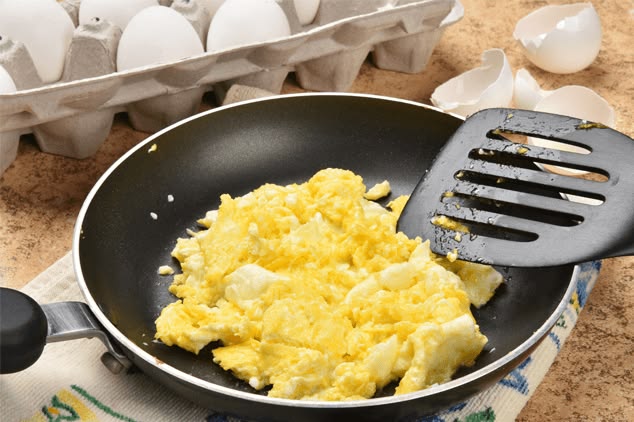
Crack the eggs into a pan, with no butter and no oil, and scramble them until they are firm, with no runny yolk and no clear white, and let them cool, until they are warm, not hot, and crush them, with a fork, into small pieces, so they do not look like a fresh egg.
Serve them in a dish, away from the nest, so the hens do not connect the dish with the nest, and offer them in the morning, when the hens are hungry, and they will eat them happily, and they will get the protein they need.
Never add salt, because too much salt is bad for hens, and never add butter, because it is high in fat, and never add seasoning, because it can upset the hens’ stomachs, and never serve them hot, because they can burn the hens’ mouths.
The rule is simple. Plain, cool and crushed, in a dish away from the nest, is the safe way to serve scrambled eggs.
How Many Scrambled Eggs and How Often
A small amount, about one egg for four hens, once or twice a week, inside the 10 percent treat rule, is the right amount.
Scrambled eggs are high in protein and in fat, and the amount matters, because too many eggs means too much fat, and fat hens lay fewer eggs, with thinner shells, because they are not getting enough of what they need from their layer feed.
One egg, scrambled, for four hens, once or twice a week, is plenty, and the hens will love the eggs, because they are soft, and they are tasty, and they are a good protein boost, especially for sick or molting hens.
Too many eggs means loose droppings, because the eggs are high in fat, and they dilute the layer feed that makes eggs.
A hen that eats too many scrambled eggs will lay fewer eggs, with thinner shells, because she is eating less calcium, and she is gaining weight, which is bad for laying.
The rule is simple. One egg for four hens, once or twice a week, inside the 10 percent treat rule, and never as a meal, never as a food.
Scrambled Eggs in the Treat Rule
Scrambled eggs sit inside the 10 percent treat rule, and the rule is the thing that keeps treats from becoming a problem.
The rule is simple. Treats, including scrambled eggs, kitchen scraps, mealworms and fruit, should stay under a tenth of what the flock eats in a day. The other nine tenths should be layer feed, which is balanced for egg laying, with the right protein, the right calcium and the right vitamins.
A hen that eats too many treats will lay fewer eggs, with thinner shells, because she is not getting enough of what she needs.
Scrambled eggs are a good treat inside the rule, because they are high in protein, so they give the hens energy and nutrition, but they are still a treat, and they still count toward the tenth, so keep the amount small and the frequency low.
Our guide to eggshells covers feeding eggshells back, and eggshells are the other half of feeding eggs back, because the shells are a calcium source, not a food, and they must be baked and crushed first, and never fed whole, and never to chicks.
Scrambled Eggs for Sick or Molting Hens
Scrambled eggs are a good protein boost for sick or molting hens, because they are high in protein, and they are easy to digest, and they are soft, so even a weak hen can eat them.
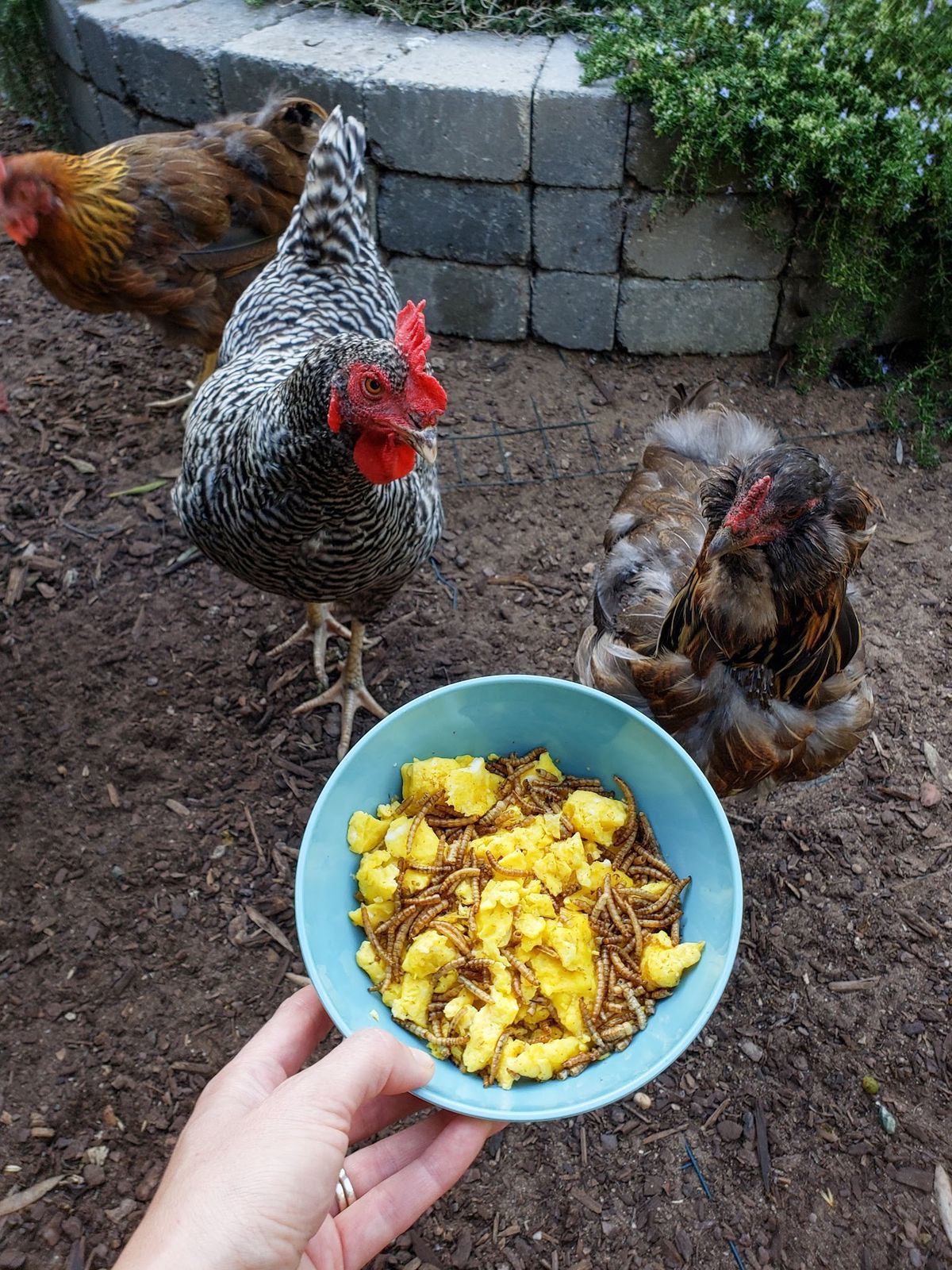
A sick hen needs protein to recover, and scrambled eggs are the easiest protein to give, because they are soft, and they are tasty, and the hen will eat them even when she will not eat her feed, and they will give her the strength to recover.
A molting hen needs protein to regrow her feathers, because feathers are mostly protein, and scrambled eggs are a good source, and they will help her regrow her feathers faster, and they will help her start laying again sooner.
Offer a small amount, about one egg for four hens, once or twice a week, in a dish, away from the nest, and the sick or molting hens will eat them, and they will recover faster, and they will lay better.
The rule is simple. Scrambled eggs are the best protein boost for a sick or molting hen, in small amounts, once or twice a week, inside the 10 percent treat rule.
Baby Chicks and Scrambled Eggs. The Hard Rule
Never feed scrambled eggs to baby chicks, because chicks need starter feed, not scrambled eggs, and scrambled eggs will make them sick.
Chicks under 18 weeks old should eat only starter feed, because they need the protein and the balanced nutrition to grow, and scrambled eggs have almost none of that, and they are high in fat, and a chick’s gut cannot handle them, so they will give the chick loose droppings and a sore gut, and they will stop the chick from eating its starter feed, which is what it needs to grow.
Scrambled eggs are also too big for a chick to eat, and they can choke on them, and the eggs can block their crop, and they can die.
Wait until the chicks are 18 weeks old and starting to lay, and then offer a tiny amount of scrambled eggs, once in a while, as a treat, and the pullets will enjoy them, and they will not get sick.
FAQs
Can chickens eat scrambled eggs.
Yes, chickens can eat scrambled eggs, and they are safe when fully cooked, plain and unsalted, and they are a good protein boost for sick or molting hens. Raw eggs are never safe, and feeding eggs back must not teach egg eating, so the eggs must be cooked and crushed beyond recognition.
Can chickens eat eggs.
Yes, chickens can eat eggs, and they are safe when fully cooked, plain and unsalted, and they are a good protein boost for sick or molting hens. Raw eggs are never safe, because they can carry bacteria, and they can teach egg eating, so the eggs must be cooked and crushed beyond recognition.
Can chickens eat cooked eggs.
Yes, cooked eggs are safe, because cooking kills the bacteria, and it makes the protein easier to digest, and it changes the look, the smell and the texture, so the hens do not connect the cooked egg with the fresh egg in the nest. Serve them plain, cool and crushed, in a dish away from the nest.
Are scrambled eggs good for chickens.
Scrambled eggs are good as a treat, because they are high in protein, and they are easy to digest, and they are a good protein boost for sick or molting hens, but they are not good as a food, because they are too high in fat, and too low in calcium, to be a main food.
Can baby chicks eat scrambled eggs.
No, never feed scrambled eggs to baby chicks, because chicks need starter feed, not scrambled eggs, and scrambled eggs will make them sick. Wait until the chicks are 18 weeks old and starting to lay, and then offer a tiny amount of scrambled eggs, once in a while, as a treat.
Our guide to raspberries covers the other soft berry, and it explains why soft berries are safe, and how many to give, and why the sugar limit matters.
Keep Reading

Nusrat
Author, TheChickenPet.com