

Can chickens eat tomatoes? Yes, and no, and the two halves of that answer belong together every time. Chickens can eat ripe tomato flesh, in moderation, as a treat. Chickens must never eat tomato leaves, stems or green unripe fruit, because tomato plants are nightshade and their foliage and unripe fruit carry solanine. A reader who only reads the yes half could feed the wrong part, so this guide keeps both halves in view from the first line to the last.
This guide covers why the plant parts are unsafe, how to feed ripe tomatoes safely, how much and how often, whether tomatoes are good for chickens at all, and how to keep hens away from tomato plants in the garden. The verdicts match the site food checker exactly, ripe fruit Caution, leaves and stems Unsafe, green fruit Unsafe.
☰ Table of Contents ▾
- The Short Answer. Ripe Fruit Yes, Plant Parts No
- Why Tomato Leaves and Stems Are Unsafe
- Why Green Tomatoes Are Unsafe
- Ripe Tomatoes. How to Feed Them Safely
- Cherry Tomatoes and Cooked Tomatoes
- How Much Tomato and How Often
- Are Tomatoes Good for Chickens
- Keeping Hens Away from Tomato Plants
- What to Do if a Hen Eats Leaves or Green Fruit
- FAQs
Quick Facts
At a Glance. Ripe red flesh is a Caution treat, in moderation only. Leaves, stems and green unripe fruit are Unsafe and never fed. Tomato plants are nightshade, and their foliage and unripe fruit carry solanine.
Feeding Ripe Fruit. Offer ripe flesh cut into pieces a hen can manage, a few pieces per hen, a couple of times a week at most. Cut cherry tomatoes in half, as with whole grapes. Layer feed stays the base of the diet.
Good to Know. Fence tomato plants out of the run during the growing season. Pick up fallen green tomatoes promptly. Baby chicks should not be given tomato at all until they are older.
The Short Answer. Ripe Fruit Yes, Plant Parts No
Are tomatoes safe for chickens? Ripe red flesh is safe as an occasional treat, and tomato leaves, stems and green fruit are not safe at all. That two part answer is the whole article in one line, and every section below is detail on one half or the other. The site food checker gives the same split, ripe tomato flesh Caution, because it is a treat to limit, and leaves, stems and green fruit Unsafe, because they are toxic nightshade. If you remember only one thing from this guide, remember that the fruit and the plant are two different foods with two different verdicts.
| Food | Verdict | Notes |
|---|---|---|
| Tomato | Caution | Ripe fruit only, leaves and stems are toxic |
| Tomato leaves and stems | Unsafe | Toxic nightshade foliage |
| Green unripe tomatoes | Unsafe | Solanine in unripe nightshade fruit |
Why Tomato Leaves and Stems Are Unsafe
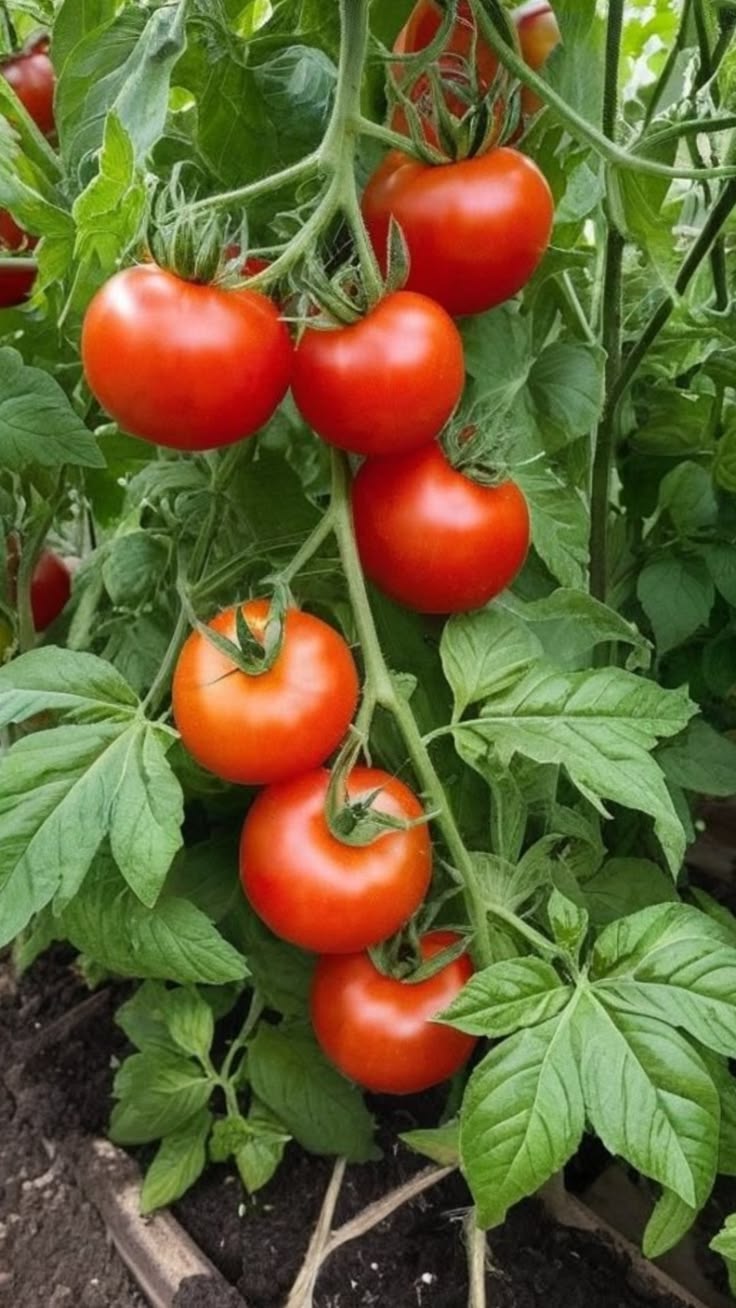
Tomato leaves, stems and vines are toxic nightshade foliage, and they should never be fed to chickens. Tomato plants belong to the nightshade family, and their green parts carry solanine, the same compound that makes green potatoes unsafe. A hen that eats leaves or stems may show lethargy, digestive upset and weakness, and there is no safe portion of leaves or stems to recommend, because the risk is in the plant part itself, not in the amount. Pruned vines and trimmings should go in the compost or the bin, never into the run, and a hen that has been pecking at a tomato plant should be moved away and watched, as covered in the last section below.
Why Green Tomatoes Are Unsafe
Can chickens eat green tomatoes? No, and the reason is the same solanine that makes the leaves unsafe. Green unripe tomatoes carry solanine in the fruit itself, and the fruit only becomes safe to eat as a treat once it is fully ripe and red. A green tomato that fell off the plant after a storm is not a free treat, and a half ripe tomato with green shoulders should wait until it is fully red. Fried green tomatoes from the kitchen are no better, since cooking does not make the solanine safe and the coating adds salt and fat a hen does not need. Pick up fallen green tomatoes promptly, and keep pruned vines with green fruit attached out of the run.
Ripe Tomatoes. How to Feed Them Safely
Ripe tomato flesh is fed simply. Offer ripe red flesh only, cut into pieces a hen can manage, as an occasional treat, not a daily feed. Cut the flesh away from any stem or leaf, and check that no green part is mixed in. Serve the pieces in a dish or scatter them on clean ground, and take away anything the hens leave after an hour or so, since warm tomato flesh spoils fast in summer. Wash the fruit first if it came from a sprayed garden, and never offer tomato that has gone mouldy or rotten, since a spoiled treat is worse than no treat.
Cherry Tomatoes and Cooked Tomatoes
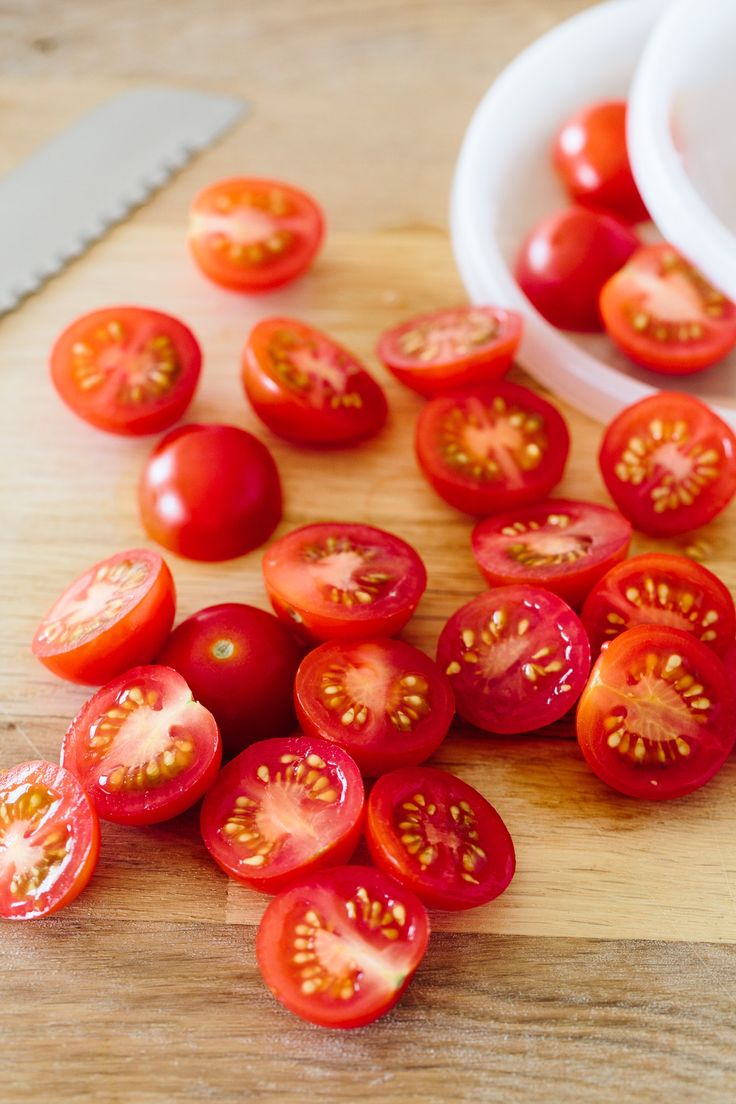
Can chickens eat cherry tomatoes? Yes, once they are fully red, and they should be cut in half first, following the same choking caution the grapes guide uses for whole round fruit. A whole cherry tomato can lodge in a hen throat, so halving is a small step that removes a real risk. Cooked tomato flesh without added salt, sugar or sauce is also fine in small amounts, and a hen that turns her beak up at raw tomato will sometimes take it cooked and soft. Tinned tomato soup is a separate matter, and should not be presented as a hen treat, since it carries sugar and salt a hen does not need.
How Much Tomato and How Often
How much tomato can chickens eat? A treat portion rule works best, a few pieces per hen, a couple of times a week at most, with layer feed still the base of the diet. Treats that crowd out feed are the real risk with ripe fruit, and a glut of garden tomatoes in summer is the classic way it happens. If the hens are filling up on tomatoes, they are eating less of the balanced feed that gives them calcium and protein, and laying will suffer before anything else. Keep the portion small, keep it occasional, and keep the feeder full of layer feed first.

Are Tomatoes Good for Chickens
Are tomatoes good for chickens? Modestly, yes, as a treat. Ripe tomato flesh gives water, vitamin C and lycopene, and hens enjoy it, but it is a treat, not a health food that replaces feed, grit or oyster shell. Do not claim tomatoes deworm hens, boost laying or cure any condition, because no treat does that, and a hen that lays well does so on balanced feed, clean water, daylight and good health, not on tomatoes. Think of tomato as a summer pleasure for the flock, in the same class as cucumber or melon, and keep the praise in proportion.
Keeping Hens Away from Tomato Plants
Can chickens eat tomato plants? They will try, which is why the garden needs a fence. Fence tomato plants out of the run, or fence the run off from the vegetable patch during the growing season, because hens will peck at leaves and green fruit if they can reach them. A low fence will not do it, since hens fly and scratch, so use a fence high enough to stop a determined hen and check it after storms. Fallen green tomatoes after a storm, or a pruned vine left in the run, should be picked up promptly. Baby chicks should not be given tomato at all until they are older and eating a full treat range, following the same age caution as the baby chick treats guide, and chicks must never reach tomato plants.

What to Do if a Hen Eats Leaves or Green Fruit
If a hen eats tomato leaves or green fruit, act calmly and quickly. Remove the plant material from the run so no other hen eats it, offer fresh water, and watch the hen closely for lethargy or digestive upset. Most small pecks pass without trouble, but a hen that worsens, stops eating and drinking, or grows weak needs a vet, and you should say exactly what she ate and when. Do not advise a home remedy, do not give a dose of anything, and do not try to make the hen vomit. Prevention is the better half of this section, and the fencing and clean up habits above are what keep it from happening again. The full safe and toxic food list sits in the feeding pillar, and the health check in the free starter checklist is the routine that catches a sick hen early.
FAQs
Can chickens eat tomatoes? Yes, ripe red flesh only, in moderation, as a treat. Leaves, stems and green unripe fruit are Unsafe and must never be fed, because tomato plants are nightshade and carry solanine.
Can chickens eat green tomatoes? No. Green unripe tomatoes carry solanine, the same compound that makes green potatoes unsafe. Wait until the fruit is fully red, and pick up fallen green tomatoes promptly.
Are tomato leaves poisonous to chickens? Yes. Tomato leaves and stems are toxic nightshade foliage. Fence plants out of the run, keep pruned vines away from hens, and call a vet if a hen eats leaves and then worsens.
Can baby chicks eat tomatoes? No, not until they are older and eating a full treat range. Follow the same age caution as the baby chick treats guide, and never let chicks reach tomato plants.
How much tomato can chickens eat? A few pieces per hen, a couple of times a week at most. Layer feed stays the base of the diet, and a glut of garden tomatoes that crowds out feed is the real risk with ripe fruit.
Tomatoes are a good example of a food where the caution is the point, not a footnote. Ripe red flesh in small pieces, a couple of times a week, is a summer treat your hens will enjoy, and a fence between the flock and the tomato plants is what keeps that treat safe.
For another safe treat in this series, see Can Chickens Eat Cabbage? Leaves, Heads and the Hanging Treat, which covers the leaves, the hung head trick and the moderation rule.

Nusrat
Author, TheChickenPet.com