
Finding a lash egg in the nest is frightening, and this guide starts with the plain facts, because readers arrive searching for a name and a next step. A lash egg is not a real egg. It is a rubbery, misshapen mass of pus, tissue and egg material that a hen passes from her oviduct, often looking like a small lump of meat or a twisted, cheese like mass, sometimes with a shell like coating. It varies in size and colour, and it is the sign to explain, not a curiosity to admire.
A lash egg usually signals salpingitis, an infection and inflammation of the oviduct, often bacterial, and that is said plainly and early here, because a name helps owners act. A lash egg must never be eaten, hands must be washed thoroughly after handling it, and any surface or nest material it touched must be cleaned and disinfected. A hen that has passed lash material, especially more than once, or that is lethargic, off food, swollen or straining, needs a vet promptly, and that vet visit is the default, not the last resort.
Table of Contents
Quick Facts
At a Glance: A lash egg is not a real egg, it is a rubbery, misshapen mass of pus, tissue and egg material passed from the oviduct. It usually signals salpingitis, an infection and inflammation of the oviduct, often bacterial. A lash egg must never be eaten, hands must be washed thoroughly after handling it, and surfaces and nest material it touched must be cleaned and disinfected.
Egg Laying: A hen passing lash material may also show a swollen abdomen, a waddling or penguin like walk, lethargy, loss of appetite, a drop or stop in laying, and a dirty or swollen vent. This article gives no egg laying figures, and none are invented here. A single soft shell egg or fairy egg in an otherwise bright, eating hen is a different and far less urgent picture.
Good to Know: Do NOT dose antibiotics at home, flush the oviduct, or try to remove material from inside the hen. Those steps belong to a vet. No drug names or doses are given in this article. Some hens recover with treatment and some do not, and repeated lash eggs carry a poor outlook, without invented survival figures. Keep the affected hen’s eggs out of the kitchen until a vet has advised.
The Short Answer. Not an Egg, and a Vet Visit
The short answer is that a lash egg is not an egg, it is a sign of oviduct infection, and it needs a vet visit. Do not eat it, do not handle it carelessly, and do not wait to see if a second one appears before acting. Wash your hands thoroughly, clean and disinfect the nest and any surface it touched, keep the hen’s eggs out of the kitchen until a vet has advised, and watch the hen closely for the signs in this guide.
At home, isolate the hen if she is unwell, keep her warm, quiet and comfortable, offer fresh water and layer feed with free choice oyster shell nearby, and watch her droppings, appetite and abdomen closely. That is the limit of home care. A hen that has passed lash material, especially more than once, or that is lethargic, off food, swollen or straining, needs a vet promptly, because a vet can examine the bird, confirm salpingitis, and treat infection where appropriate.
What Is a Lash Egg
What is a lash egg? It is a mass that a hen’s oviduct pushes out in place of a normal egg, made of pus, tissue and egg material that has built up inside the oviduct. It is not a real egg with a yolk and white inside a proper shell, and it cannot hatch and cannot be eaten. Lash eggs, the plural form readers also search for, are the same thing found more than once, and more than one is a stronger warning than a single find.
Lash egg salpingitis is the link to understand, because a lash egg usually means the oviduct is infected and inflamed. Salpingitis is often bacterial, but no single bacterium can be named as certain in any one hen from the lash material alone, and a vet examination is how the cause is confirmed. That is why this article does not offer a home cure, because treating an infected oviduct is vet work, not a home remedy.
What a Lash Egg Looks Like
What does a lash egg look like? It is usually rubbery and misshapen, often looking like a small lump of meat or a twisted, cheese like mass, sometimes with a shell like coating. It varies in size and colour, from small and pale to larger and darker, and it feels firm and rubbery rather than fragile like a shell. This article deliberately uses no close up medical photos of lash material, because the description is enough to recognise it, and a graphic photo adds nothing to the next step.
The comparison below helps separate a lash egg from other odd finds in the nest, because not every strange egg is an emergency. A lash egg is the one that comes with an infected oviduct, and it is the one that needs a vet, while a single soft shell egg or fairy egg in an otherwise bright, eating hen is a different and far less urgent picture, covered in the soft shell eggs guide (https://thechickenpet.com/why-is-my-chicken-laying-soft-shell-eggs/) on this site.
| Find | What it looks like | What to do |
|---|---|---|
| Lash egg | Rubbery, misshapen mass of pus, tissue and egg material, sometimes shell like coating | Never eat it, wash hands, disinfect, call a vet promptly |
| Soft shell egg | Real egg with a thin, soft or missing shell, yolk and white inside | Check calcium and layer feed, watch the hen, vet if it repeats or she looks unwell |
| Fairy egg | Tiny real egg, often yolkless, in an otherwise bright, eating hen | Usually no action, watch laying over the next few days |
What Causes a Lash Egg
What causes a lash egg is usually salpingitis, an infection and inflammation of the oviduct, often bacterial. The infected oviduct sheds pus and tissue, egg material mixes in, and the mass is pushed out as a lash egg. Stress, poor ventilation, dirty or damp bedding, and a hen that is already run down can make infection more likely, but none of those is a certain cause in any one hen, and guessing the exact bacterium at home helps no one.
Lash egg chicken searches often come from owners of older hens or hens that have laid heavily, and those hens are worth watching, but a lash egg can appear in other hens too. The cause that matters for the owner is the one a vet can confirm on examination, because that decides treatment. At home, the useful response is hygiene, warmth, quiet, fresh water and feed, close watching, and a prompt vet call, not a search for a single cause to blame.
Is a Lash Egg Dangerous
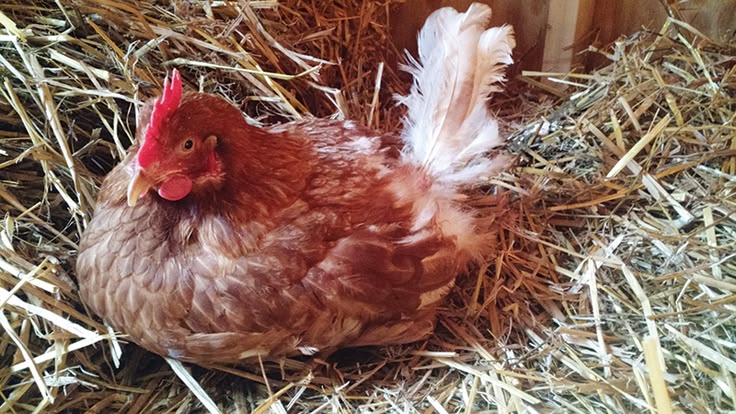
Is a lash egg dangerous? Yes, because it signals an infected oviduct, and that infection can make the hen seriously ill. A hen passing lash material may also show a swollen abdomen, a waddling or penguin like walk, lethargy, loss of appetite, a drop or stop in laying, and a dirty or swollen vent. Those signs together mean the hen is unwell, not just passing an odd egg, and they move the vet call forward to promptly, not eventually.
The danger is also in delay. Some hens recover with treatment and some do not, and repeated lash eggs carry a poor outlook, without invented survival figures here. A single lash egg in a hen that otherwise looks bright still needs a vet call, because the oviduct infection behind it does not heal by itself in a reliable way, and a second lash egg is a stronger warning. Contrast this with a normal odd egg, a single soft shell egg or fairy egg in an otherwise bright, eating hen, which is a different and far less urgent picture.
Can You Eat a Lash Egg
Can you eat a lash egg? No, never. A lash egg is a mass of pus, tissue and egg material from an infected oviduct, not food, and it must never be eaten, cooked or fed to other animals. Throw it away safely, wash your hands thoroughly after handling it, and clean and disinfect any surface or nest material it touched, including the nest box and bedding around it.
Keep the affected hen’s eggs out of the kitchen until a vet has advised, and say that plainly to anyone else who collects eggs in the household, rather than leaving the reader to guess. A hen with an infected oviduct may still lay normal looking eggs, but those eggs are not safe to assume clean until a vet has advised, and that caution is part of the same hygiene step as washing hands and disinfecting the nest.
What to Do When You Find One
When you find a lash egg, start with hygiene and the hen, in that order. Put the lash material in a bag and throw it away safely, wash your hands thoroughly, and clean and disinfect the nest box, bedding and any surface it touched. Then look at the hen, not just the find. Is she bright and eating, or lethargic, off food, swollen or straining? That answer decides how urgent the vet call is, and it should be prompt either way.
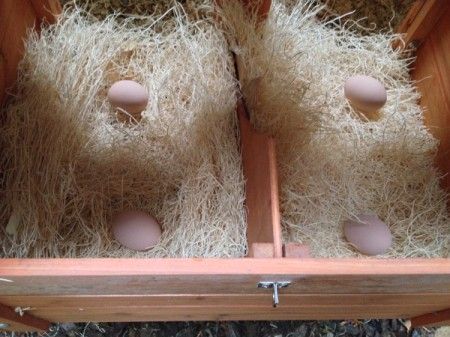
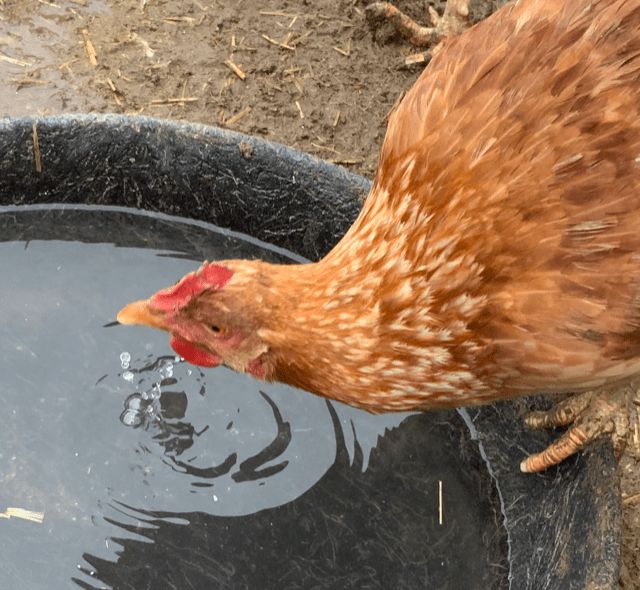
At home, isolate the hen if she is unwell, keep her warm, quiet and comfortable, offer fresh water and layer feed with free choice oyster shell nearby, and watch her droppings, appetite and abdomen closely. Do NOT dose antibiotics yourself, flush the oviduct, or try to remove material from inside the hen. Those steps belong to a vet, and home attempts at them risk injury and make infection worse. Watch, keep her comfortable, and call a vet.
When to Call a Vet
When to call a vet is the simplest part of this guide, promptly, and sooner if the hen looks unwell. A hen that has passed lash material, especially more than once, needs a vet promptly. A hen that is lethargic, off food, swollen, straining, or showing a dirty or swollen vent needs a vet sooner, not after days of watching. A vet can examine the bird, confirm salpingitis, and treat infection where appropriate, and that examination is the step home care cannot replace.
Lash egg treatment is therefore vet treatment, and no drug names or doses are given in this article, because treatment depends on the hen and a vet will judge it for your bird. Some hens recover with treatment and some do not, and repeated lash eggs carry a poor outlook, so an honest vet conversation about the hen’s chances is part of the visit. If the hen recovers, the prevention section below is where that recovery turns into routine, and if she passes lash material again, call the vet again, promptly.
How to Prevent Lash Eggs
How to prevent lash eggs rests on the same routine that supports steady laying and strong shells. Good ventilation and clean, dry bedding reduce infection risk, a calm laying environment reduces stress, layer feed with free choice oyster shell supports shell strength, and weight control keeps hens in laying condition. Prompt attention to any hen that goes off lay or looks unwell is part of prevention too, because catching an unwell hen early is better than finding lash material later.
The three egg problem articles on this site form a natural set, and reading them together helps. The soft shell eggs guide (https://thechickenpet.com/why-is-my-chicken-laying-soft-shell-eggs/) covers shell health and calcium, and the egg bound hen guide (https://thechickenpet.com/egg-bound-hen/) covers the other egg emergency, a stuck egg that needs warm quiet first aid and a same day vet call. Keep nest boxes clean and dry, keep water and feed fresh, and watch hens that go off lay a little more closely, because those are the hens most worth checking.
FAQs
What is a lash egg? A lash egg is not a real egg. It is a rubbery, misshapen mass of pus, tissue and egg material that a hen passes from her oviduct, often looking like a small lump of meat or a twisted, cheese like mass, sometimes with a shell like coating. It usually signals salpingitis, an infection and inflammation of the oviduct.
What causes a lash egg? A lash egg usually signals salpingitis, an infection and inflammation of the oviduct, often bacterial. Stress, poor ventilation, dirty or damp bedding, and a run down hen can make infection more likely, but no single bacterium can be named as certain in any one hen, and a vet examination is how the cause is confirmed.
Is a lash egg dangerous? Yes, because it signals an infected oviduct, and that infection can make the hen seriously ill. A hen passing lash material may also show a swollen abdomen, a waddling walk, lethargy, loss of appetite, a drop or stop in laying, and a dirty or swollen vent. Repeated lash eggs carry a poor outlook, and a vet call should be prompt.
Can you eat a lash egg? No, never. A lash egg is a mass of pus, tissue and egg material from an infected oviduct, not food, and it must never be eaten, cooked or fed to other animals. Wash hands thoroughly after handling it, clean and disinfect surfaces and nest material it touched, and keep the affected hen’s eggs out of the kitchen until a vet has advised.
What is lash egg treatment? Lash egg treatment is vet treatment. A vet can examine the bird, confirm salpingitis, and treat infection where appropriate. Do NOT dose antibiotics yourself, flush the oviduct, or try to remove material from inside the hen. At home, isolate the hen if she is unwell, keep her warm, quiet and comfortable, offer fresh water and layer feed with free choice oyster shell, and watch her closely.

Nusrat
Author, TheChickenPet.com