
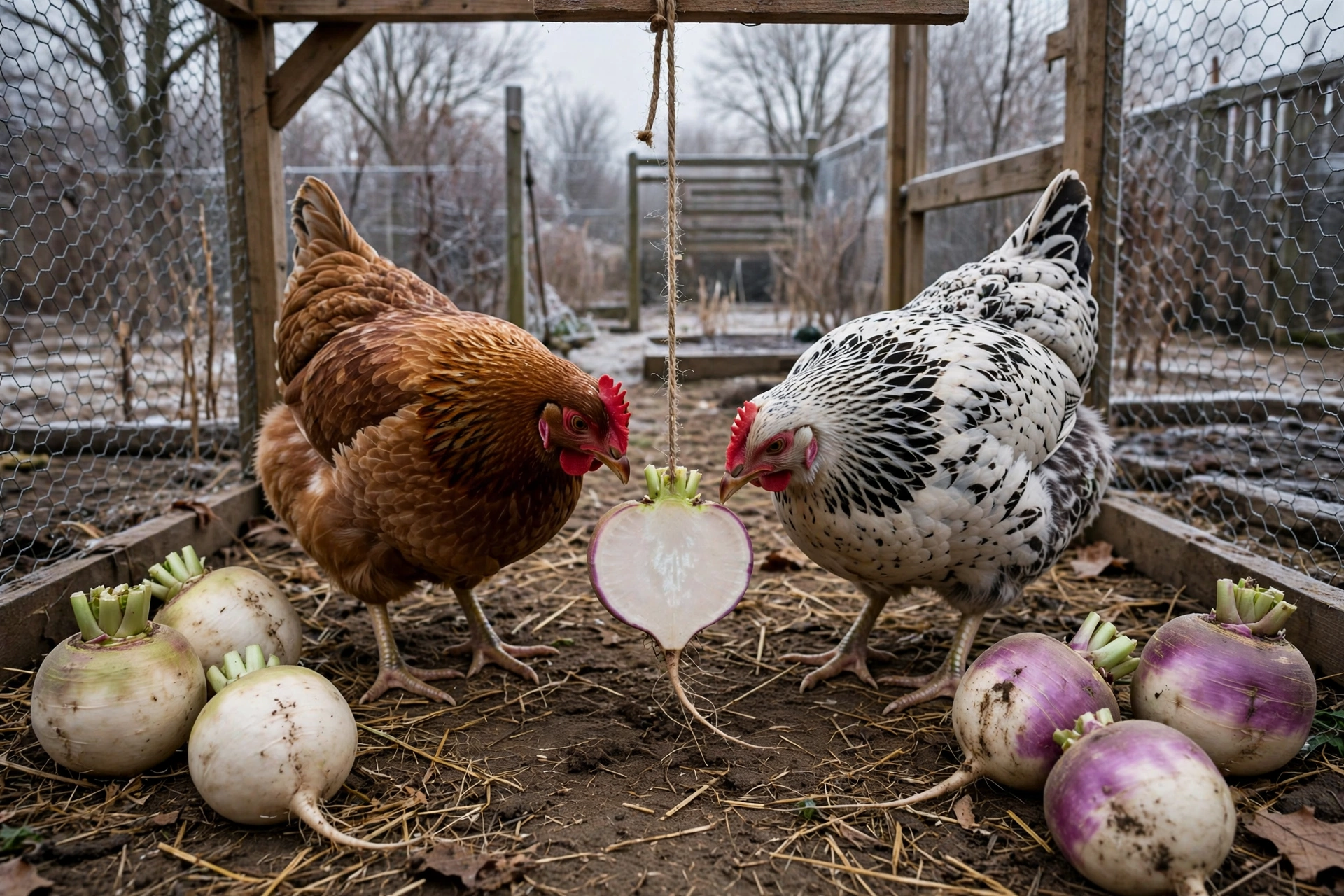
Yes, chickens can eat turnips, root and greens both, and the checker says turnips are safe, grated, chopped or cooked, and turnip greens are safe, chop or serve whole, and a raw turnip is dense and hard, so grate it, chop it or lightly cook it before serving, and a halved turnip hung from a string in the run is a winter boredom buster, and a small serving per hen once or twice a week is enough.
Table of Contents
- The Short Answer. Yes, Root and Greens Both
- Turnip Roots. Safe, Grated or Cooked
- Raw Turnips. Dense and Hard, So Grate Them
- Turnip Greens. Chop or Serve Whole
- How Much Turnip. A Small Serving Per Hen
- The Hanging Turnip. A Winter Boredom Buster
- Turnips for Baby Chicks. Wait Until They Are Older
- Turnips Compared With Parsnips, Carrots and Beets
- Storing Turnips. Keep Them Cool and Crisp
- FAQs
Turnips are safe for chickens, root and greens both, grated, chopped or lightly cooked, and a small serving per hen once or twice a week is enough.
The root is grated, chopped or lightly cooked, and the greens are chopped or served whole, and the whole plant is useful, and nothing is wasted.
A halved turnip hung from a string at beak height in the run keeps hens busy in winter, and it is pecked down over a day or two, and the string is removed when it is gone.
The Short Answer. Yes, Root and Greens Both
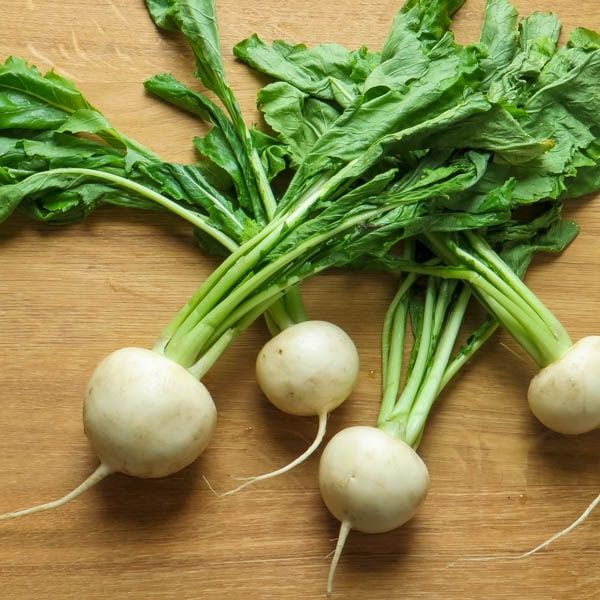
Yes, chickens can eat turnips, root and greens both, and the checker says turnips are safe, grated, chopped or cooked, and turnip greens are safe, chop or serve whole, and a raw turnip is dense and hard, so grate it, chop it or lightly cook it before serving, and a small serving per hen once or twice a week is enough.
Are turnips safe for chickens. Yes, turnips are safe for chickens, root and greens both, and the root is the round white and purple bulb, and the greens are the leafy tops, and the serving stays small, because turnips are a vegetable treat, and a hen that eats too many treats will eat less feed, and the treat must stay a treat, not a meal.
Our guide to what chickens can eat covers the whole vegetable list, and the safe and unsafe foods, and it explains how to use the food checker before you serve anything new.
The rule is simple. Root and greens both, grate, chop or lightly cook the root, chop or serve the greens whole, and a small serving per hen, once or twice a week.
Turnip Roots. Safe, Grated or Cooked
A turnip root is the round white and purple bulb that grows under the ground, and it is dense, and firm, and mild, and a little sweet when it is cooked, and it is safe for chickens, and the checker says grated, chopped or cooked, and the root should be washed first, and the dirt scrubbed off, and the skin can stay on, because the skin is thin, and the hens will peck it, and eat it, and a turnip that is dirty should never be served, because the dirt carries grit, and germs.
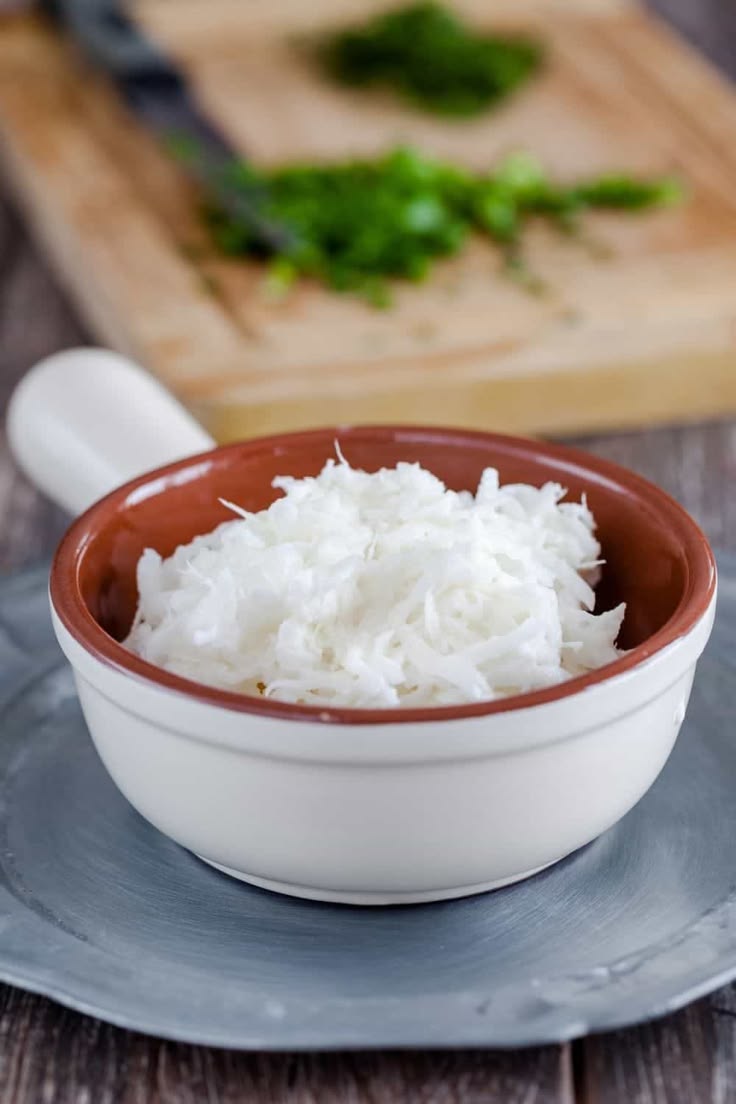
Grate the root into shreds, and the shreds are easy to peck, and easy to swallow, and the hens will eat them fast, and the shreds can be scattered in the run, or put in a dish, and the shreds should be fresh, and not left overnight, because they dry out. Chop the root into small cubes instead, no bigger than a grape, and the cubes are easy to peck, and easy to swallow, and a big chunk should never be served, because a big chunk is hard to peck, and hard to swallow, and it can sit in the crop, and cause trouble.
The rule is simple. Wash it, grate it, chop it or lightly cook it, plain only, and a small serving per hen.
Raw Turnips. Dense and Hard, So Grate Them
Can chickens eat raw turnips. Yes, chickens can eat raw turnips, and the checker says grated, chopped or cooked, and raw means the root is not cooked, and the raw root is dense, and hard, and a whole raw turnip is too hard for a hen to manage, and she will peck at it, and get little, and leave it, and a raw turnip that is grated is easy to eat, and a raw turnip that is chopped into small cubes is easy to eat, and the raw turnip must be prepared first, every time.
Grate the raw turnip into shreds, and the shreds are thin, and soft enough to peck, and the shreds should be made fresh, and served at once, and never left overnight, because they dry out. Chop the raw turnip into small cubes, no bigger than a grape, and the cubes can be scattered, and the hens will find them, and eat them. Lightly cook the raw turnip instead, plain only, and cool it before serving.
The rule is simple. Raw is fine, whole and hard is not, so grate it, chop it or lightly cook it, every time.
Turnip Greens. Chop or Serve Whole
Can chickens eat turnip greens. Yes, chickens can eat turnip greens, and the checker says turnip greens are safe, chop or serve whole, and the greens are the leafy tops of the turnip plant, and they are green, and leafy, and mild, and the hens love leafy greens, and the greens are the easiest part of the turnip to serve, because they need no cooking, and no grating, and only a wash, and a chop, or nothing at all, and the greens can be served whole, and the hens will peck at them, and tear them, and eat them, and it will be gone in minutes.
Chop the greens into ribbons, and the ribbons are easy to peck, and easy to swallow, and the ribbons can be scattered in the run, or put in a dish, and the chopped greens are the best way for a small flock, and for young hens, because the pieces are small, and the hens can each get a share, and the chop should be rough, and not too fine, because the hens like to tear the leaves. Serve the greens whole instead, and the whole leaves can be scattered in the run, or hung from a string, and the hens will peck at them, and tear them, and eat them, and the whole leaves are the best way for a bigger flock, because the leaves can be shared.
Wash the greens first, every time, because the greens grow close to the ground, and they carry dirt, and the dirt carries grit, and germs, and the greens should be rinsed in clean water, and shaken dry, and the greens from a garden that was sprayed should never be served, because the spray stays on the leaves, and the hens will eat it, and get sick, and only unsprayed greens should be fed.
The rule is simple. Wash them, chop them or serve them whole, fresh and crisp only, and unsprayed only.
How Much Turnip. A Small Serving Per Hen
A small serving per hen, once or twice a week, and no more, because turnips are a vegetable treat, and a hen that eats too many treats will eat less feed, and lay fewer eggs, and get fat, and the treat must stay a treat, not a meal, and the root and the greens count together, so a hen that gets grated root and chopped greens in the same week has had two turnip servings, and the week should hold no more, and the serving stays small, and the feed stays the main food.
A small serving is a few shreds, or a few small cubes, or a small handful of chopped greens per hen, and the serving should be scattered, so every hen gets a share, and the bold hens should not get it all, and the shy hens should get some too, and a bigger flock can have more turnip, and the rule stays the same, a small serving per hen, once or twice a week, and the serving should be gone in minutes.
Treats in total should stay under a tenth of what the hens eat in a day, and turnips count toward that, and roots, and greens, and fruit, and mealworms, and scraps, all count together, so keep the turnip to once or twice a week, and keep the rest of the treats small too.
The rule is simple. A small serving per hen, once or twice a week, and no more, and treats under a tenth of the day.
The Hanging Turnip. A Winter Boredom Buster
A halved turnip hung from a string in the run is a winter boredom buster, and it keeps the hens busy when the ground is bare, and the grass is gone, and the bugs are gone, and the hens have nothing to scratch for, and a bored hen will peck her flock mates, and pull feathers, and cause trouble, and a hanging turnip gives her something to peck, and the pecking keeps her calm, and the swinging keeps her interested, and the turnip lasts a day or two, and the hens stay busy, and the flock stays peaceful.
Cut the turnip in half, and push a string through the half, or tie the string around it, and hang it from a branch, or a beam, or the run roof, at beak height, so the hens can reach it, and peck it, and the string should be strong, and short, so the turnip hangs steady, and does not swing too wild, and the cut face should face the hens, so they can peck the soft inside.
Hang it in the morning, and the hens will find it, and peck at it, and it will swing, and they will chase it, and peck it again, and the turnip will shrink, and the hens will stay busy, and the boredom will stay away, and the turnip will be gone in a day or two, and the string should be removed when the turnip is gone, so no hen gets tangled in it, and a new half should be hung, if the hens still need it.
The rule is simple. Halve it, hang it at beak height, let them peck it down, and remove the string when it is gone.
Turnips for Baby Chicks. Wait Until They Are Older
Wait until baby chicks are older before giving turnips, because chicks need their starter feed, and grit, and clean water, and vegetables are a treat for older birds, and a chick that fills up on turnips will eat less starter feed, and grow slower, and the safe age is after they are eating well, and have grit, and are at least a few weeks old, and the root must be grated fine, and the greens must be chopped fine, and the pieces must be tiny, and easy to peck, and easy to swallow, and a whole hard piece should never be given to a chick, because a hard piece can sit in the crop, and block it.
Can baby chicks eat turnips. Baby chicks should wait until they are older before eating turnips, because chicks need starter feed, and grit, and clean water, and turnips are a treat for older birds, and a chick that is a few weeks old, eating starter feed well, and with grit available, can have a tiny pinch of finely grated turnip, or a tiny pinch of finely chopped greens, once in a while, and it should be soft, and small, and easy to peck, and it should never replace starter feed, and never be given daily, and the serving must be tiny, and the serving must be rare.
Our guide to when baby chicks can eat treats covers the safe age, and the first treats, and it explains what to give, and what to skip.
The rule is simple. Wait until the chicks are older, eating well, and have grit, then a tiny pinch, finely grated or finely chopped, once in a while.
Turnips Compared With Parsnips, Carrots and Beets
Turnips compared with parsnips, carrots and beets is the winter root group, and the four are cousins, and the serving is the same, a little at a time, and never as a meal, and the difference is the prep, because turnips are grated, chopped or lightly cooked, and parsnips are grated, chopped or cooked, and carrots are grated or chopped, and beets are grated or cooked, and the serving is the same, a small serving per hen, once or twice a week.
Parsnips are the closest winter root, and they follow the same rule, dense root, grate, chop or cook, and the parsnip is long, and pale, and sweet when cooked, and the turnip is round, and white and purple, and mild, and the hens will eat both, and the serving is the same.
Our guide to can chickens eat parsnips covers the winter root rule, and the dense root question, and it explains why the root is safe, and the prep matters.
Carrots are the other root, and they follow the same rule, grate or chop, and the carrot is orange, and sweet, and crisp, and the turnip is round, and white and purple, and mild, and the hens will eat both, and the serving is the same.
Our guide to can chickens eat carrots covers the other root, and the grating question, and it explains why the root is safe, and the serving stays small.
Beets are the other winter root, and they follow the same rule, grate or cook, and the beet is red, and earthy, and sweet when cooked, and the turnip is round, and white and purple, and mild, and the hens will eat both, and the serving is the same, and the beet can colour the droppings red, and the turnip cannot.
Our guide to can chickens eat beets covers the other winter root, and the droppings question, and it explains why the root is safe, and the greens are safe too.
The rule is simple. Turnips are the winter root with the greens, same rule as parsnips, carrots and beets, grate, chop or lightly cook, and a small serving per hen, once or twice a week.
Storing Turnips. Keep Them Cool and Crisp
Store turnips cool and crisp, because a turnip that is stored well keeps for weeks, and a turnip that is stored badly goes soft, and the hens will not eat it, and the roots should be kept in a cool, dark place, and the greens should be cut off first, because the greens pull water from the root, and the root goes soft, and the greens should be used within a few days, and the root should be kept for weeks, and the turnip should be washed before serving, and not before storing, because the wash makes the root wet, and the wet root rots faster, and the dry root keeps longer, and the rule is the same for every root, store dry, wash before serving.
Cut the greens off the root for storage, and use the greens within a few days, and keep the root in a cool, dark place, and the root will keep for weeks, and the greens will keep in the fridge for a few days, and the greens should be washed before serving, and the root should be washed before serving, and the turnip that is soft, and wrinkled, and old should be thrown away, and never served, because it is old, and the hens will not eat it, and it will rot in the run, and a firm, crisp turnip should be served.
The rule is simple. Store the root cool, dark and dry for weeks, use the greens within a few days, and wash before serving, never before storing.
FAQs
Are turnips safe for chickens. Yes, turnips are safe for chickens, root and greens both, and the checker says turnips are safe, grated, chopped or cooked, and turnip greens are safe, chop or serve whole, and a small serving per hen once or twice a week, and the serving stays small.
Can chickens eat turnip greens. Yes, chickens can eat turnip greens, and the checker says turnip greens are safe, chop or serve whole, and the greens are the leafy tops of the turnip plant, and they are green, and leafy, and mild, and the hens love leafy greens, and the greens are washed first, and served fresh and unsprayed only.
Can chickens eat raw turnips. Yes, chickens can eat raw turnips, and the checker says grated, chopped or cooked, and raw means the root is not cooked, and the raw root is dense and hard, so it is grated into shreds, or chopped into small cubes, and a whole raw turnip is never served, because it is too hard, and too big, and a lightly cooked turnip is the softest way to serve it, plain only.
Can baby chicks eat turnips. Baby chicks should wait until they are older before eating turnips, because chicks need starter feed, and grit, and clean water, and turnips are a treat for older birds, and a chick that is a few weeks old, eating starter feed well, and with grit available, can have a tiny pinch of finely grated turnip, or a tiny pinch of finely chopped greens, once in a while.
How much turnip can chickens eat. A small serving per hen, once or twice a week, and no more, because turnips are a vegetable treat, and treats in total should stay under a tenth of what the hens eat in a day, and the root and the greens count together.
Before you go, grab our free starter checklist, it covers the first week with your flock, and it lists the feed, and the grit, and the water, and the coop basics, and it is free.
Our guide to can chickens eat radishes covers the other root vegetable, and the grated or halved rule, and it explains why the peppery bite puts some hens off.
Keep Reading

Nusrat
Author, TheChickenPet.com