

Chicken Care and Health
Chicken mites are a common reason a pet hen goes off lay, grows restless at night, or starts losing feathers, and they are also very fixable. Mites on chickens are tiny external parasites, and the trick is knowing which kind you have, because where each mite lives decides where you must treat. A hen can look clean while her coop is infested, and a clean coop will not help a mite that lives on the bird all day.
This guide covers the three mite types a pet keeper actually meets, red mite in the chicken coop, northern fowl mite on the bird, and scaly leg mite on the legs and feet, plus chicken lice as a separate pest. You will learn how to check chickens for mites, what the signs of mites on chickens look like, how to get rid of chicken mites by treating bird and coop together, and how chicken mite prevention stops them coming back.
Table of Contents 12 sections
- The Short Answer. Treat the Bird and the Coop Together
- How to Check Your Chickens for Mites
- Red Mite. The Coop Mite
- Northern Fowl Mite. The Mite That Lives on the Bird
- Scaly Leg Mite. The Leg and Foot Mite
- Chicken Lice. Similar Problem, Different Pest
- Signs of Mites on Chickens
- How to Get Rid of Chicken Mites
- Treating Scaly Leg Mites
- Do Chicken Mites Bite Humans
- How to Stop Mites Coming Back
- FAQs
Quick Facts
At a Glance:
Red mite lives in the coop and feeds at night. Northern fowl mite lives on the bird day and night. Scaly leg mite burrows under leg and foot scales. Lice are larger than mites and do not suck blood the way mites do.
Checking and Treating:
Check the coop at night with a torch and white cloth, check the bird in daylight by parting vent, wing and tail feathers, and check legs for raised, crusty scales. Treat bird and coop together, then repeat after about a week.
Good to Know:
Red mites can bite people, but they do not live on people or infest a home the way they infest a coop. A dry dust bath, clean bedding, and a check every few weeks are the core of prevention.
The Short Answer. Treat the Bird and the Coop Together
The short answer to chicken mites treatment is to treat the bird and the coop together, or the infestation will return. Coop mites will climb back onto a treated hen, and bird mites will keep feeding while you clean an empty coop. Start with a check, find out which mite you have, clean out all bedding, scrub perches, nest boxes and cracks, treat the birds with a poultry safe product exactly as its label directs, and repeat after about a week.
How to Check Your Chickens for Mites
For red mite, check at night with a torch and wipe a white cloth along perches, cracks and nest boxes, looking for grey or red specks and blood smears. Red mites hide by day, so a daytime coop look alone can miss them. Check the bird in daylight by parting feathers at the vent, under the wings and around the tail, looking for moving specks, dirty feather bases and irritated skin. Then check legs and feet for raised, crusty scales. A restless, pale, off lay or feather losing hen deserves a check the same day.
Red Mite. The Coop Mite
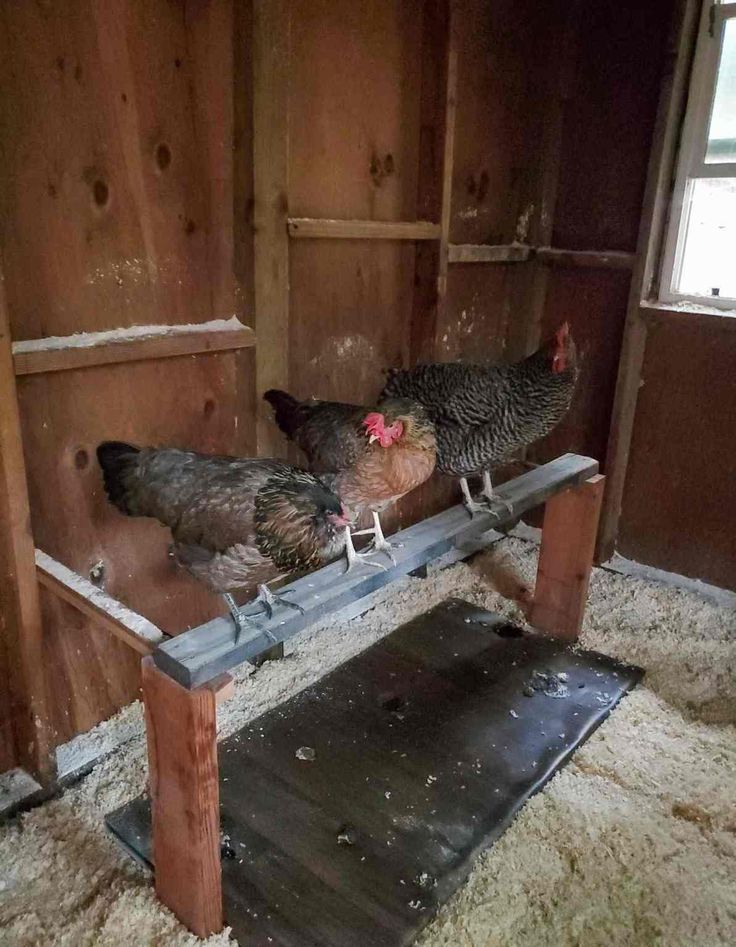
Red mite lives in the coop, in cracks, perches and nest boxes, feeds on hens at night, and hides by day. A hen can therefore look clean in daylight while the coop is infested. Hens grow restless at night and reluctant to enter the coop at dusk, combs and wattles turn pale in a heavy burden, laying drops, and tiny mites may appear on the keeper after handling birds or bedding. Treatment must focus on the coop structure as much as the birds, with every crack, perch and nest box cleaned and treated, and the cycle repeated after about a week.
Northern Fowl Mite. The Mite That Lives on the Bird
Northern fowl mite lives on the bird, around the vent, tail and breast, and stays on the hen day and night. A daylight check usually finds it, with moving specks and dirty, irritated feather bases around the vent, and a scratching, restless hen losing condition. Treating the coop alone will not clear it, and treating the bird alone will not clear it either, since it also drops into bedding. Treat the bird as its label directs, change bedding at the same time, and repeat after about a week. The rarer depluming mite burrows into feather shafts and causes feather loss, so unexplained feather loss that does not improve after treatment needs a vet.
Scaly Leg Mite. The Leg and Foot Mite
Scaly leg mites burrow under the scales of the legs and feet, and over weeks the scales lift, thicken and crust. The change is slow, so it is easy to miss and easy to mistake for dry legs at first. A leg check every few weeks catches it early, when treatment is simplest. Treatment is gentle soaking and oiling of the legs over days to smother the mites and soften the scales, never pulling or scraping scales off. Swollen, bleeding legs, or a lame hen, need a vet, not a home routine.
Chicken Lice. Similar Problem, Different Pest
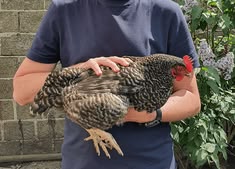
Chicken lice treatment is a common search, because lice and mites look alike, but they are not the same pest. Chicken lice are larger than mites, live on the bird, and show as pale insects and egg clusters at feather bases, especially around the vent. Lice do not suck blood the way mites do, but a heavy burden still stresses the hen and can cut laying. Since lice stay on the bird, bird treatment matters most, with bedding changed at the same time. Use a poultry safe product exactly as its label directs, repeat after about a week, and never use a household insecticide, a dog or cat flea product, or a product not labelled for poultry.
Signs of Mites on Chickens
Signs of mites on chickens usually appear in this order. First, restlessness and reluctance to enter the coop at dusk, especially with red mite. Then a pale comb and wattles, a laying drop, and feather loss with irritated skin around the vent. Crusty, raised leg scales point to scaly leg mite. No single sign proves mites, since pale combs, lost feathers and a laying drop have other causes, from moult to stress to illness. Several signs together plus a positive check confirm the problem, and the Care and Health pillar helps weigh other causes.
| Mite type | Where it lives | What to look for | Where to treat |
|---|---|---|---|
| Red mite | Coop cracks, perches and nest boxes | Grey or red specks and blood smears on a white cloth at night | Coop first, plus birds, repeat after about a week |
| Northern fowl mite | On the bird, vent, tail and breast | Moving specks and dirty feather bases in daylight | Bird first, plus fresh bedding, repeat after about a week |
| Scaly leg mite | Under leg and foot scales | Raised, crusty scales over weeks | Legs, gentle soaking and oiling over days |
| Depluming mite | In feather shafts | Feather loss not matching the patterns above | Vet advice if suspected |
| Chicken lice (not a mite) | On the bird, feather bases at the vent | Pale insects and egg clusters | Bird first, plus fresh bedding, repeat after about a week |
How to Get Rid of Chicken Mites
Mites on chickens treatment at home follows one sequence, and skipping a step is how infestations return. Clean out all bedding and remove it from the run. Scrub perches, nest boxes and cracks, and treat the coop structure as well as the birds. Treat the birds with a poultry safe product exactly as its label directs. Repeat the whole cycle after about a week to catch newly hatched mites, since most treatments do not kill every egg. Wash hands and change clothes after coop work during an outbreak. This guide gives no drug doses and no single product promise. Very pale, weak, lame or off food hens, or no improvement after a full repeated cycle, need a vet.
Treating Scaly Leg Mites
Treating scaly leg mites is slower and gentler than treating other mites, because the mites sit under the scales. Soak the legs gently to soften the scales, then oil them over days to smother the mites and keep scales soft while healthy scale grows in. Work a little at a time, keep the hen calm, and never pull scales off, since that hurts and opens skin to infection. Check weekly, not daily, since scale change is slow, and keep bedding clean and dry while legs heal. Check the rest of the flock too, since scaly leg mite spreads by close contact. Swelling, bleeding or lameness needs a vet.

Do Chicken Mites Bite Humans
Do chicken mites bite humans? Red mites can bite people and cause itchy red marks, but they do not live on people or infest a home the way they infest a coop. Marks usually appear after handling birds or bedding during an outbreak, and fade once the coop is treated and contact stops. Wash hands and change clothes after coop work during an outbreak, and treat the coop, not the house, as the source. If marks persist, spread widely, or come with other symptoms, speak to a doctor.
How to Stop Mites Coming Back
Chicken mite prevention is the honest close, because a treated coop that is never checked again is how mites return. Keep a dry dust bath available all year, as in the dust bath guide, since dust bathing helps hens against external parasites between checks. Keep bedding clean, dry and changed regularly, and choose perches and nest boxes that can be scrubbed and inspected. Quarantine every new bird and check it for mites before it joins the flock, and check vent feathers and legs every few weeks. That routine, plus the health check in the free starter checklist, is the simplest mite plan a pet keeper can keep.

FAQs
FAQ 1. How do I know if my chickens have mites? Check the coop at night with a torch and white cloth for red mite, part vent, wing and tail feathers in daylight for northern fowl mite, and look for raised, crusty leg scales for scaly leg mite. Several signs together plus a positive check confirm it.
FAQ 2. How do I get rid of chicken mites at home? Clean out all bedding, scrub perches, nest boxes and cracks, treat coop and birds together with a poultry safe product as its label directs, and repeat after about a week.
FAQ 3. Do chicken mites bite humans? Red mites can bite people and cause itchy red marks, but they do not live on people or infest a home the way they infest a coop. Wash hands and change clothes after coop work, and seek medical advice if marks persist.
FAQ 4. What are scaly leg mites and how are they treated? They burrow under leg and foot scales, lifting and crusting them over weeks. Treatment is gentle soaking and oiling over days, never pulling scales off. Swelling, bleeding or lameness needs a vet.
FAQ 5. Can chickens get lice as well as mites? Yes, and they are different pests. Lice are larger, live on the bird, and show as pale insects and egg clusters at feather bases. Treat the bird as its label directs, change bedding, and repeat after about a week.
Mites sound alarming the first time you find them, but they are routine in keeping hens. A calm check, a full bird and coop treatment, and a repeat round a week later will clear most infestations, and a regular check routine will catch the next one while it is still small.
Keep Reading
