

If you think chickens are only for farms, think again. The right breed will follow you around the garden, eat treats from your hand, sit on your lap, and still give you fresh eggs for breakfast.
The secret is choosing a breed known for a calm, people-friendly temperament — especially if you are a beginner, you have children, or you live in a small backyard with close neighbours.
In this guide, you’ll find the 10 friendliest chicken breeds that make great pets, how many eggs each one lays, who each breed is best for, and which ones to choose for a quiet, cuddly flock.
Table of Contents
Quick Comparison: Friendliest Pet Chicken Breeds
| Breed | Temperament | Eggs/year (approx.) | Best for |
|---|---|---|---|
| Buff Orpington | Calm, affectionate, lap chicken | 200-280 brown | Beginners, families |
| Silkie | Docile, gentle, very tame | 100-120 small | Pets, kids, broody hens |
| Speckled Sussex | Curious, confident, friendly | 200-250 brown | Families, free range |
| Australorp | Gentle, calm, hardy | 250-300 brown | Beginners who want eggs + pet |
| Plymouth Rock (Barred Rock) | Calm, curious, easygoing | 200-280 brown | Beginners, cold climates |
| Cochin | Very docile, fluffy, slow | 150-180 brown | Pure pets, show birds |
| Brahma | Calm, steady, gentle giant | 150-200 brown | Cold climates, large yards |
| Salmon Faverolles | Gentle, personable, quiet | 150-200 tinted | Pets, mixed flocks |
| Wyandotte | Calm, confident, hardy | 200-240 brown | Cold climates, beginners |
| Easter Egger | Friendly, curious, fun | 200-250 blue/green | Colourful eggs, families |
Note: Egg numbers are typical ranges for a healthy hen in her first laying years. Individual birds vary by strain, feed, season and care.
What Makes a Chicken Breed “Friendly”?
A friendly pet breed usually has four things in common:
- Calm temperament — it doesn’t panic when you pick it up.
- People-oriented — it comes towards you instead of running away.
- Quiet(er) — important if you have neighbours close by.
- Easy to handle — a good size and weight for children and beginners.
Handling chicks gently and often from a young age matters just as much as breed.
Once you have chosen a friendly breed, the next step is to build that bond. See How to Tame a Chicken and Hold It Without Scaring It for the trust ladder, from sitting quietly and hand feeding to safe holding.
1. Buff Orpington — The Classic Lap Chicken

If beginners ask for one breed, experienced keepers usually say: Buff Orpington. These big, golden, fluffy hens are calm, affectionate and famously happy to sit on a lap. They are good layers of brown eggs, cold-hardy, and gentle with other hens.
Best for: First-time owners and families.
Watch out for: heavy feathering can make hot summers harder, so provide shade and cool water.
Keeping Orpingtons in a suburban garden? Our guide Are Buff Orpingtons Noisy? covers what your neighbours will actually hear, the truth about the egg song, and six ways to keep a backyard flock even quieter.
2. Silkie — The Gentlest Pet Chicken

Silkies look like little fluffy clouds, and they behave as softly as they look. They are docile, easy to tame, and one of the best breeds for children. They lay fewer, smaller eggs and go broody often — perfect if you want a hen who will happily hatch and raise chicks.
Best for: Pure pets, kids, and anyone who wants a broody mother hen.
Watch out for: soft feathers don’t protect them well in wet weather, so keep their run dry.
Wondering how long your pet Silkie will be with you? Our guide How Long Do Silkie Chickens Live? covers the average lifespan, the risks that shorten it and the care habits that help a Silkie reach double digits.
Waiting on your Silkie’s first egg? Our guide When Do Silkie Chickens Start Laying Eggs? explains why Silkies start later than other breeds at 7 to 9 months, the signs the first egg is close, and what to check when a hen seems late.
3. Speckled Sussex — Curious and Confident
Speckled Sussex hens are curious, confident and love following their owners around in case a treat appears. They are active foragers, good brown-egg layers, and get tamer the more time you spend with them.
Best for: Families who free-range and want an interactive pet.
4. Australorp — Friendly and a Superb Layer

Want a pet and a lot of eggs? Australorps are gentle, calm and hardy, and among the best heritage layers — often 250+ brown eggs a year in good conditions.
Best for: Beginners who want friendship without giving up egg production.
If your Australorp ever takes to the nest box and refuses to budge, our guide Do Australorps Go Broody? explains why this laying breed still sits sometimes, the signs to watch for, and the kind ways to break the spell or let her hatch.
5. Plymouth Rock (Barred Rock) — Calm, Curious and Reliable

Barred Rocks are easygoing, curious and tolerant of handling. They lay well, cope well with cold, and fit easily into a mixed flock — a very forgiving first breed.
Best for: Beginners and colder climates.
Curious about the eggs behind the basket? Our guide What Colour Eggs Do Plymouth Rocks Lay? covers the shade and size, why the colour varies a little from hen to hen, and the yearly count you can expect.
6. Cochin — The Fluffy, Slow-Moving Pet

Cochins are very docile, heavily feathered and in no hurry to go anywhere. They are kept more as pets and show birds than as top layers.
Best for: Owners who value temperament over eggs.
Watch out for: feathered feet need dry ground.
If your Cochin seems to live in the nest box, our guide How Often Do Cochins Go Broody? explains why this breed sits several times a year, how long each bout lasts, and the kind step by step way to break one when you do not want chicks.
7. Brahma — The Gentle Giant
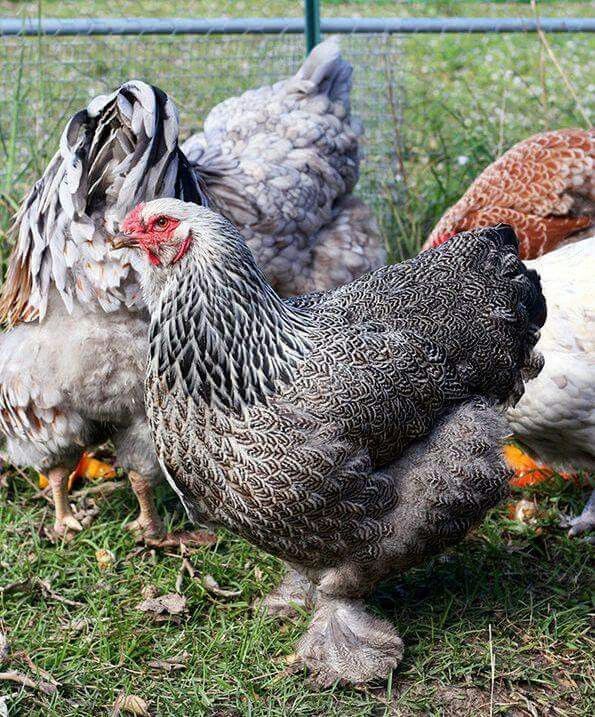
Brahmas are very large, but calm and steady. Despite their size, they are usually peaceful in the flock and with people, and their feathering makes them excellent in cold weather.
Best for: Large yards and cold climates.
Watch out for: they need more coop and run space.
8. Salmon Faverolles — Gentle and Personable
Friendly, a little quirky, and generally quiet, Faverolles are wonderful pets and get along well in mixed flocks.
Best for: Calm, mixed pet flocks.
Wondering how she really is with younger handlers? Our guide Are Salmon Faverolles Good With Children? reviews her temperament honestly, with the handling rules that keep children and hens safe, and the two caveats every family should know before buying.
9. Wyandotte — Calm, Hardy and Beautiful
Wyandottes are calm, confident and very cold-hardy, with striking laced feathers. They lay a good number of brown eggs and are a solid, low-drama choice for beginners.
Best for: Cold climates and beginners who want a hardy pet layer.
Keeping Wyandottes somewhere cold? Our guide Are Wyandottes Cold Hardy? explains why the rose comb shrugs off frost, how she keeps laying through winter, and the simple care list that replaces a heated coop.
10. Easter Egger — Friendly, With Colourful Eggs

Easter Eggers are friendly, curious and fun — and they can lay blue, green or pink-tinted eggs, which children especially love.
Best for: Families who want a friendly pet with a colourful egg basket.
Real Buyer Setups: Coop, Waterer and Automatic Door
When you set up your first flock, a predator-proof coop, always-available clean water, and a secure door matter more than anything else.

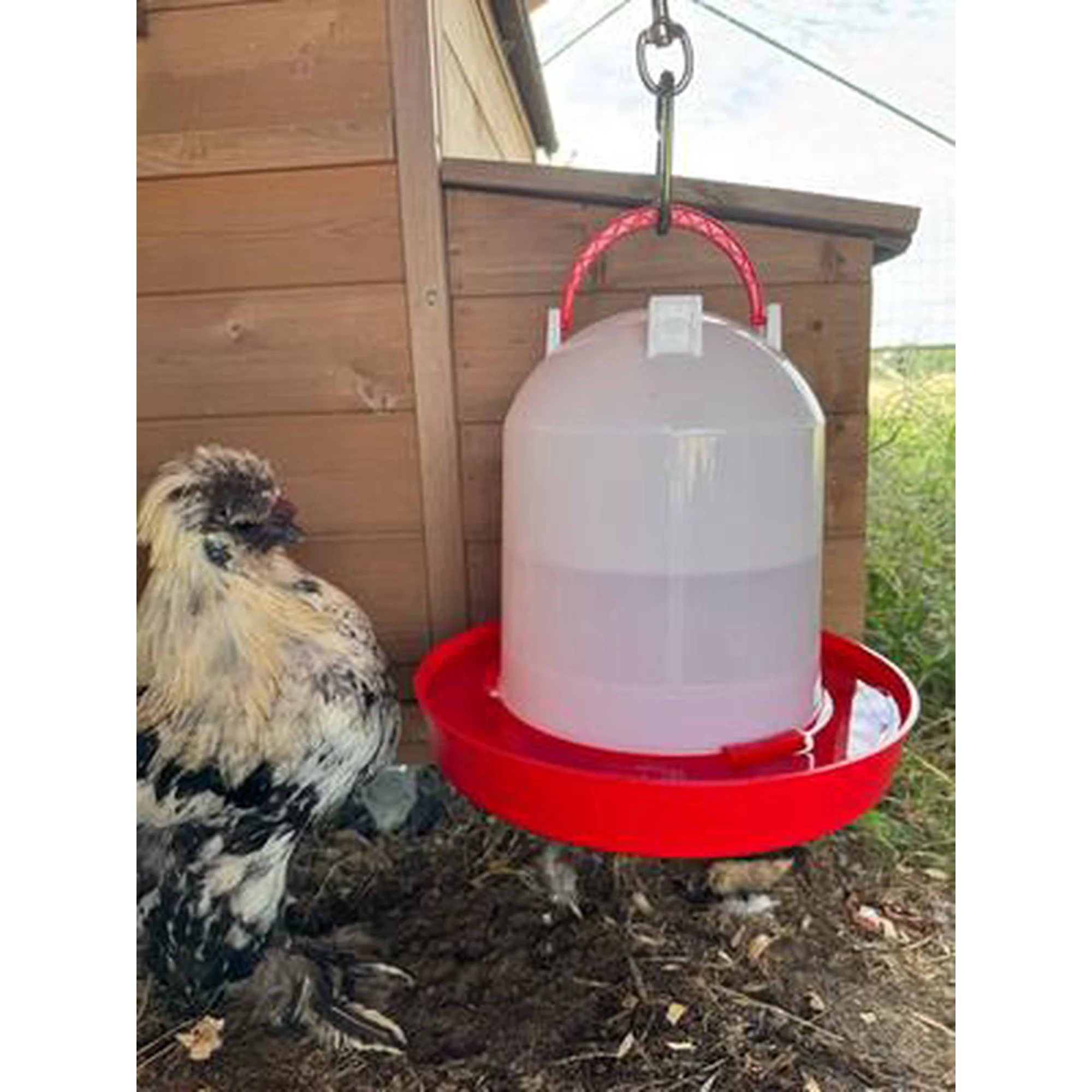
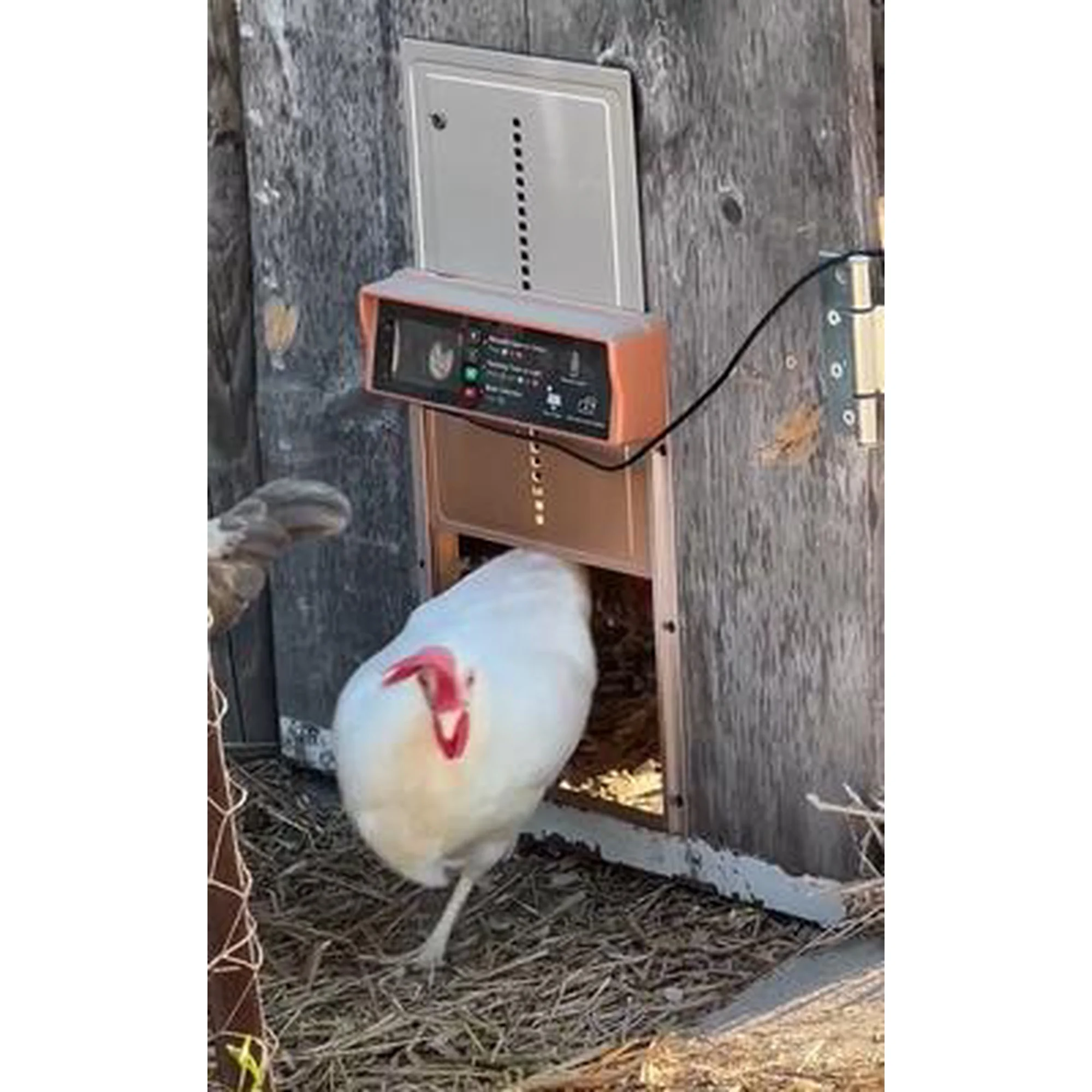
These are real setups from real buyers.
Which Friendly Breed Should YOU Choose?
- For kids and cuddles: Silkie, Buff Orpington, Cochin.
- For pets + the most eggs: Australorp, Plymouth Rock, Speckled Sussex.
- For small, quiet backyards: Silkie, Salmon Faverolles, Buff Orpington.
- For cold climates: Brahma, Wyandotte, Plymouth Rock.
- For colourful eggs: Easter Egger.
Start with 3-4 hens, a predator-proof coop, and daily handling.
Frequently Asked Questions
What is the friendliest chicken breed for beginners?
Buff Orpington is the most commonly recommended. It is calm, easy to handle, hardy, and lays a good number of brown eggs.
Do pet chickens like to be held?
Some do — especially hand-raised Orpingtons, Silkies and Cochins. Always let the hen come to you, support her feet and body, and keep sessions short and positive.
What is the quietest friendly chicken breed?
Silkies, Faverolles and Orpingtons are generally among the quieter friendly breeds. Hens are far quieter than roosters, which many towns ban.
How many pet chickens should a beginner start with?
Start with 3-4 hens. Chickens are social animals and should never be kept alone.
Before you buy: check your local rules.
Many cities limit flock size, ban roosters, or require a permit. Check your local ordinances before ordering chicks.
This post may contain affiliate links. If you buy through them, we may earn a small commission at no extra cost to you.
Keep reading: our complete guide to the Polish chicken.
Keep reading: the Buff Laced Polish chicken breed.
Keep reading: the Isabella Leghorn breed guide.
Keep reading: the Black Copper Maran breed guide.
Keep reading: how chickens recognize and bond with their owners.

One Comment