
Chicken lice are small, pale, fast moving insects that live on the bird and feed on feathers and skin debris. They are one of the most common parasites in backyard flocks, and they are also one of the easiest to treat, once you know what you are looking at. The trouble is that lice look a lot like mites, and the two need different treatment, so the first job is always to tell them apart.
Lice live on the bird all the time. Mites mostly live in the coop and come out at night to feed. That one difference decides most of the treatment, because a lice problem is treated on the bird, while a mite problem has to be treated in the coop as well. This guide covers what lice are, how to tell them from mites, the signs to watch for, how to check your birds, the treatment that works, and how to stop them coming back.
Table of Contents
What they are. Small pale insects that live on the bird and feed on feathers and skin debris.
First sign. Restless birds, feather loss around the vent, and tiny white egg clusters on feather shafts.
Lice or mites. Lice stay on the bird. Mites mostly hide in the coop and feed at night.
Treatment. A poultry approved permethrin dust or spray, repeated in 7 to 10 days.
Whole flock. Treat every bird, even the ones that look clean, because lice spread fast.
Prevention. A dry dust bath, clean bedding, and a check of new birds before they join the flock.
What Chicken Lice Are
Poultry lice are small wingless insects, usually 1 to 3 millimetres long, pale yellow or straw coloured, with a flat body and six legs. They spend their whole life on the bird. They do not fly, they do not jump, and they do not live in the coop. They move from bird to bird by direct contact, when birds roost close together, huddle in the cold, or share a nesting box. Wild birds can carry them in, and a new bird bought from a market or a friend can bring them into a clean flock in a single day.
Lice feed on feathers, dead skin and skin debris. They do not suck blood, which is one of the ways to tell them from mites. A heavy lice burden still harms the bird, because the constant irritation stops her resting and eating properly, and the damaged feathers leave her cold and stressed. Egg laying drops, weight drops, and the bird looks rough and unhappy. Young birds and birds already weak from illness suffer most.
The lice life cycle is fast, which is why treatment has to be repeated. An adult louse lays eggs, called nits, glued to the base of feather shafts, usually around the vent, under the wings and on the breast. The eggs hatch in about a week, and the young lice are feeding within days. One treatment kills the live lice but not the eggs, so the eggs hatch after the treatment and the problem comes straight back. That is why every good lice treatment is done twice, 7 to 10 days apart, to catch the hatchlings before they can lay new eggs.
Chicken Lice vs Mites
Lice and mites are the two parasites keepers mix up most, and the treatment is different for each, so here is the comparison that settles it.
| Lice | Mites | |
|---|---|---|
| Where they live | On the bird, all the time | Mostly in the coop, in cracks and perches |
| When they feed | All day, on the bird | At night, when the birds are roosting |
| What they eat | Feathers and skin debris | Blood, in most species |
| What you see | Pale fast moving insects, white egg clusters on feather shafts | Tiny dark or red specks, grey dust in coop cracks, scabs on legs for scaly leg mites |
| Main treatment | Dust or spray the bird, repeat in 7 to 10 days | Treat the coop as well as the bird, repeat and seal cracks |
The most common mite is the red mite, a tiny dark red speck that hides in coop cracks during the day and comes out at night to suck blood from roosting birds. If your birds are restless at night, pale in the comb, and the coop has grey dust in the cracks, think mites first. Our chicken mites guide covers red mites and northern fowl mites in full, including the night check with a white cloth under the perch.
Northern fowl mites are the exception that proves the rule. They live on the bird like lice do, but they suck blood, and they cluster around the vent in dark masses. They are harder to tell from lice at a glance, but the dark colour and the blood feeding give them away. The treatment is similar to lice treatment, a poultry approved dust or spray, repeated, but the coop needs attention too.
Scaly leg mites are a third kind, and they live under the scales on the legs, raising the scales and causing crusty thickened legs. They need a different treatment again, smothering the legs with petroleum jelly or a similar oil, and our scaly leg mites guide covers that in detail. If the legs look crusty and raised, that is scaly leg mites, not lice.
Signs of Lice on Chickens
The signs of lice build slowly, and a light burden can be easy to miss. The first thing most keepers notice is behaviour. The bird becomes restless, scratches and pecks at her own feathers, and spends more time preening than usual. She may be reluctant to roost, because the lice are most active when she settles, and she may look generally unhappy and unkempt.
Feather loss is the next sign, usually around the vent, under the wings and on the breast, where the lice cluster. The feathers look broken, chewed and ragged rather than cleanly moulted, and the skin underneath may look red and irritated. In a heavy infestation the vent area can look raw and sore, and the bird may have a dirty looking vent from the lice debris.
Egg laying drops, because a bird that is itchy all day does not eat or rest properly, and weight loss follows. The comb may look paler than usual, though not as pale as with a blood sucking mite infestation. Young birds grow slowly, and a broody hen sitting on a nest is at particular risk, because she sits still for weeks while the lice multiply undisturbed. Always check a broody hen when she comes off the nest.
How to Check Your Birds for Lice
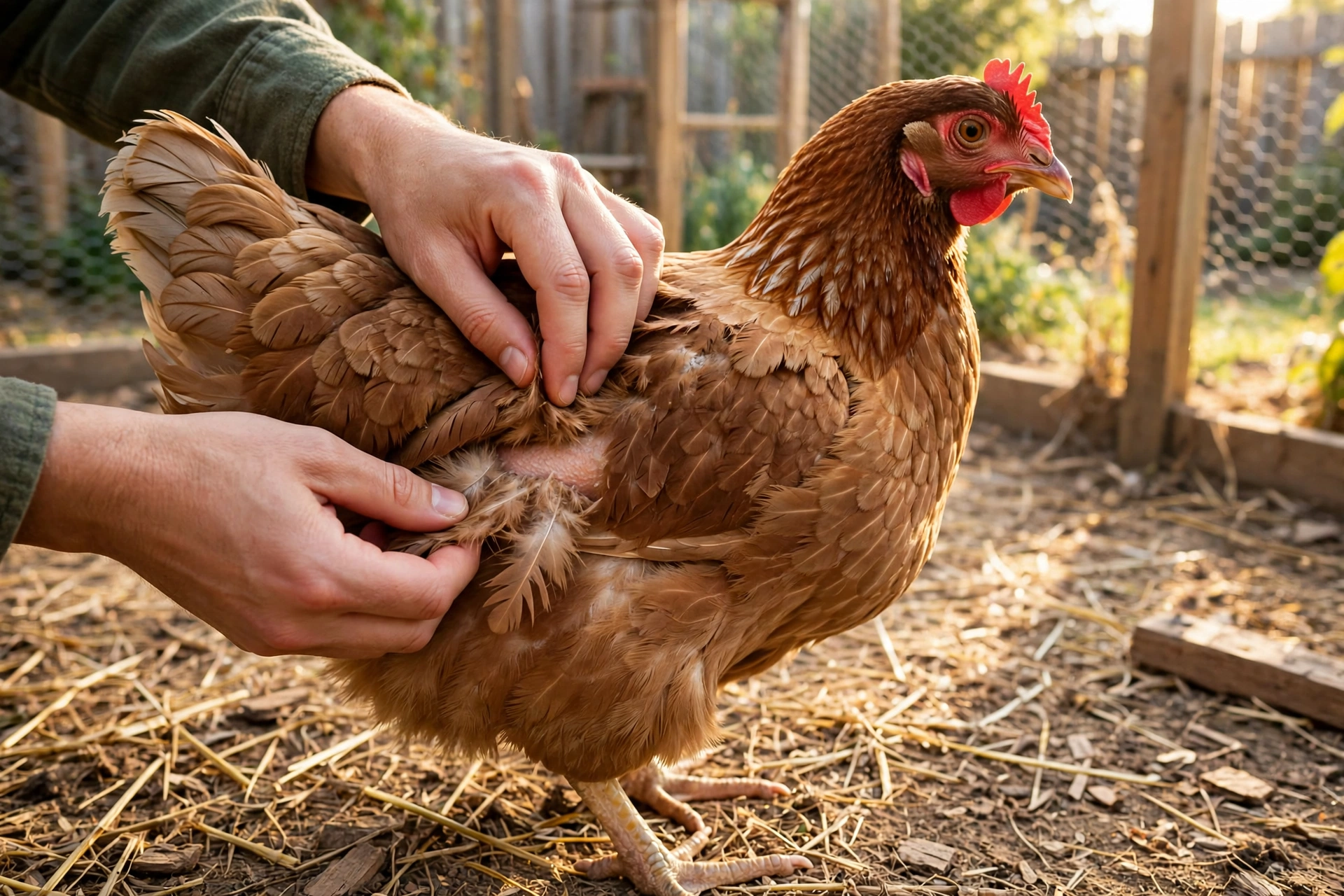
Checking for lice takes about a minute per bird, and it is worth doing every few weeks, and always when you bring a new bird home. Pick the bird up calmly in daylight, hold her against your body, and part the feathers in three places. Around the vent first, then under the wings, then on the breast. Lice are pale and fast, so look for movement as much as for the insects themselves. They run away from the light, so part the feathers and watch for a few seconds.
Look for the eggs as well as the live lice. Lice eggs are tiny white or cream clusters glued to the base of feather shafts, usually in a neat row near the skin. They look like small white beads, and they do not brush off easily. If you see clusters of white beads on the feather shafts around the vent, that is lice, and the bird needs treatment even if you cannot see a live louse.
Check the whole flock, not just the bird that looks worst. Lice spread by contact, and by the time one bird shows obvious signs, the others are usually carrying them too. Check new birds before they join the flock, and keep them separate for two weeks while you check them twice. A new bird is the most common way lice enter a clean flock.
How to Treat Chicken Lice
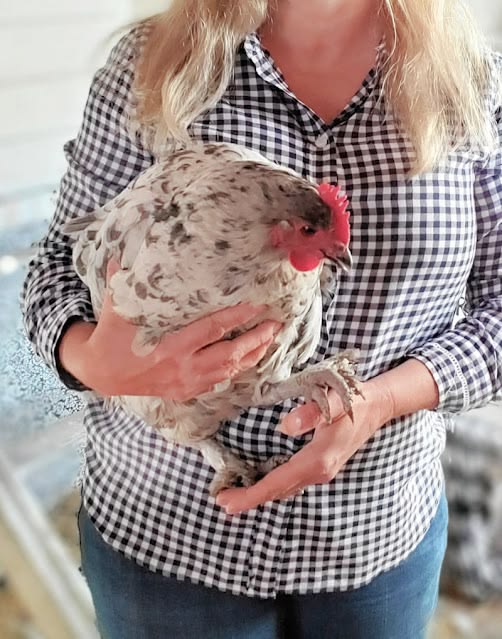
Treat the whole flock, even the birds that look clean. Lice spread fast, and a bird with no visible signs can still be carrying eggs. Work in daylight, wear gloves and a dust mask, and work in a well ventilated area, because the dust is not good to breathe in, for you or for the birds.
The treatment that works is a poultry approved permethrin dust or spray, bought from a farm supply shop or a poultry supplier. Permethrin is the active ingredient in most poultry lice treatments, and it kills lice on contact. Dust the bird thoroughly, working the powder into the feathers around the vent, under the wings and on the breast, where the lice cluster. If you use a spray, wet the feathers to the skin in the same areas. Follow the label exactly for the amount and the safety instructions, and do not use a product meant for dogs or cats, because the dose and the ingredients are different.
Repeat the treatment in 7 to 10 days. The first treatment kills the live lice but not the eggs. The eggs hatch within a week, and the second treatment kills the hatchlings before they can lay new eggs. Skipping the second treatment is the most common reason lice come back, and it is the easiest mistake to avoid. Mark the repeat date on a calendar the day you do the first treatment.
Diatomaceous earth, or DE, is often suggested for lice, and it is worth being honest about what it does. Food grade DE can help as a preventative in a dust bath, because the fine powder dries out insects, but it is slow and unreliable as a cure for an active infestation. A bird covered in lice needs a proper poultry approved treatment, not DE alone. Use DE in the dust bath to help prevent the next infestation, not to treat the one you have now.
Do not treat chicks with adult strength products unless the label says it is safe for their age. Young chicks are more sensitive, and the safest approach for a chick with lice is to ask a vet or a poultry supplier for a product approved for young birds. Never use a household insect spray, a flea bomb or a garden pesticide on chickens. Those products are not made for poultry, and they can poison the birds.
Treating the Coop
Lice live on the bird, not in the coop, so the coop treatment for lice is lighter than for mites, but it still matters. Lice eggs and debris fall into the bedding, and a dirty coop gives the next generation a place to start. Clean the coop properly on the day you treat the birds.
Take out all the bedding and nesting material and dispose of it away from the run. Scrub the perches, nesting boxes and floor with hot water and a poultry safe disinfectant, and let everything dry completely before you put fresh bedding in. A poultry approved coop spray can be used on the perches and cracks as well, following the label, but the main job is the clean out and the fresh bedding.
Dust the nesting boxes lightly with poultry dust or food grade DE before you put the fresh bedding in, and change the bedding more often than usual for the next two weeks, until the repeat treatment is done. Keep the coop dry, because lice and mites both do better in damp bedding, and a dry coop with fresh bedding is a poor home for parasites.
How to Prevent Chicken Lice
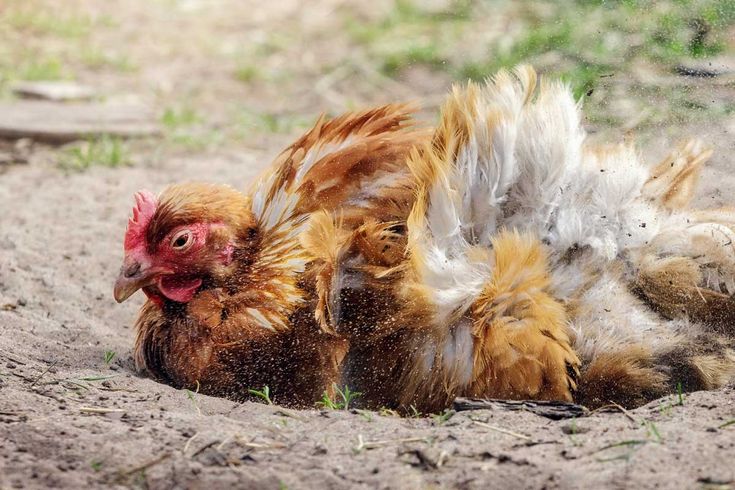
Prevention is mostly good housekeeping, and most of it is already part of keeping healthy chickens. The single best prevention is a dry dust bath, always available, in a sheltered spot. Hens dust bathe to clean their feathers and smother parasites, and a bird with a good dust bath rarely gets a heavy lice burden. Our dust bath guide covers how to build one, and the mix is simple, dry soil or sand with a little wood ash and food grade DE. A healthy hen also enjoys safe summer treats, and our guide explains whether chickens can eat nectarines with the pit removed.
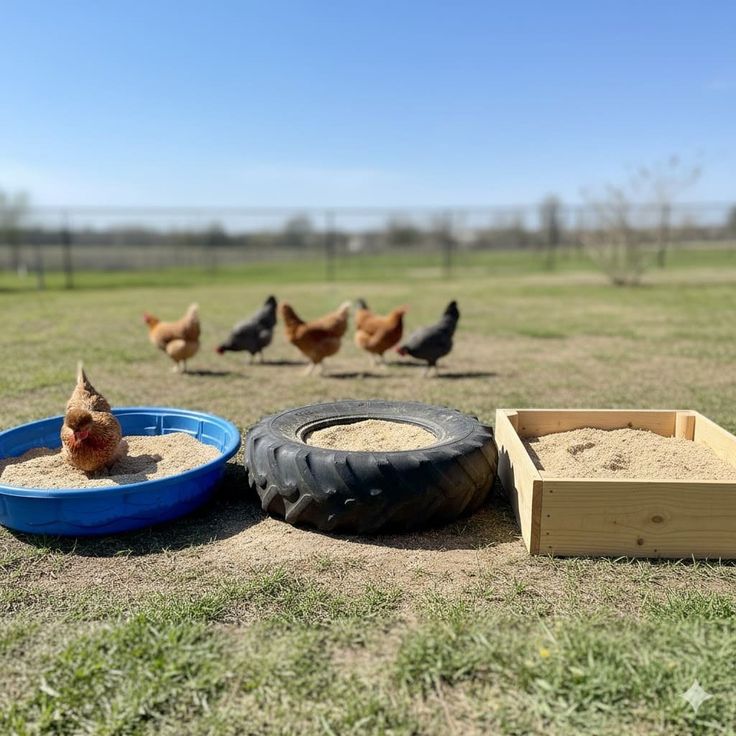
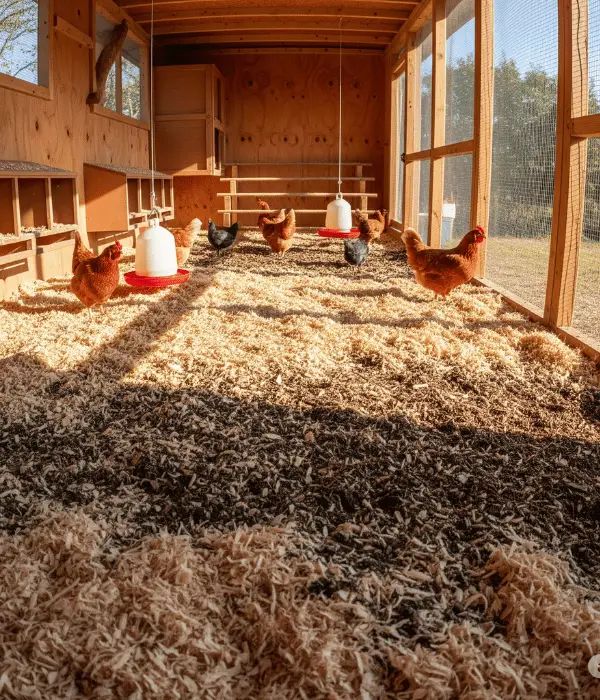
Keep the bedding clean and dry, and change it regularly. Clean bedding means fewer parasites of every kind, and a dry coop is a poor home for them. Quarantine new birds for two weeks before they join the flock, and check them for lice twice during that time. A new bird is the most common way lice enter a clean flock, and two weeks of separation is cheap insurance.
Check your birds regularly, every few weeks, and always after a visit to a show, a market or a friend’s flock. Wild birds can carry lice in, so keep feed and water covered where wild birds cannot reach them, and keep the run tidy so wild birds are not drawn in. A quick check takes a minute, and it catches a light burden before it becomes a heavy one.
When to Call a Vet
Most lice infestations clear with two rounds of poultry approved treatment and a coop clean out, but some cases need a vet. Call a vet if the birds are not improving after the second treatment, if the infestation is very heavy and the birds are weak, pale or losing a lot of weight, or if you are unsure whether you are dealing with lice or mites. A vet can identify the parasite under a microscope and prescribe the right treatment.
Call a vet at once if a bird is very weak, will not eat or drink, or has a raw and infected vent area. Lice do not usually cause open wounds, but a bird that has been scratching hard can break the skin, and broken skin can become infected. Chicks with a heavy lice burden need a vet quickly, because they have almost no reserves and go downhill fast.
Frequently Asked Questions
Q: Can chicken lice live on humans?
A: No, poultry lice cannot live on humans. They are adapted to birds, and they need bird feathers and bird body temperature to survive. A louse may crawl onto your hand while you are handling a bird, but it will not stay, feed or lay eggs on you. Wash your hands after handling birds, and change your clothes before handling other birds, so you do not carry lice from one flock to another.
Q: Do I need to throw away the eggs after treating for lice?
A: It depends on the product you used. Some poultry lice treatments have an egg withdrawal period, a number of days during which the eggs should not be eaten, and some have no withdrawal at all. Read the label on the product you used, and follow it exactly. If the label does not say, ask the supplier or a vet before you eat the eggs.
Q: How long does it take to get rid of chicken lice?
A: Two treatments, 7 to 10 days apart, will clear most infestations, and the birds should look and feel better within a few days of the first treatment. The lice are gone when you can check the vent, wings and breast and find no live lice and no new egg clusters. Keep checking weekly for a month after treatment, because a missed egg cluster can restart the problem.
Q: Can I use diatomaceous earth to treat chicken lice?
A: Food grade diatomaceous earth can help prevent lice when it is mixed into a dust bath, because the fine powder dries out insects. It is slow and unreliable as a cure for an active infestation. A bird covered in lice needs a proper poultry approved permethrin dust or spray, repeated in 7 to 10 days. Use DE for prevention, not for treatment.
Q: Do chicken lice spread to other animals?
A: Poultry lice are specific to birds, and they do not infest dogs, cats or other mammals. They can spread between birds, including wild birds, so a flock that mixes with wild birds or new birds is at higher risk. Quarantine new birds for two weeks, and keep feed and water covered so wild birds cannot reach them.

Nusrat
Author, TheChickenPet.com